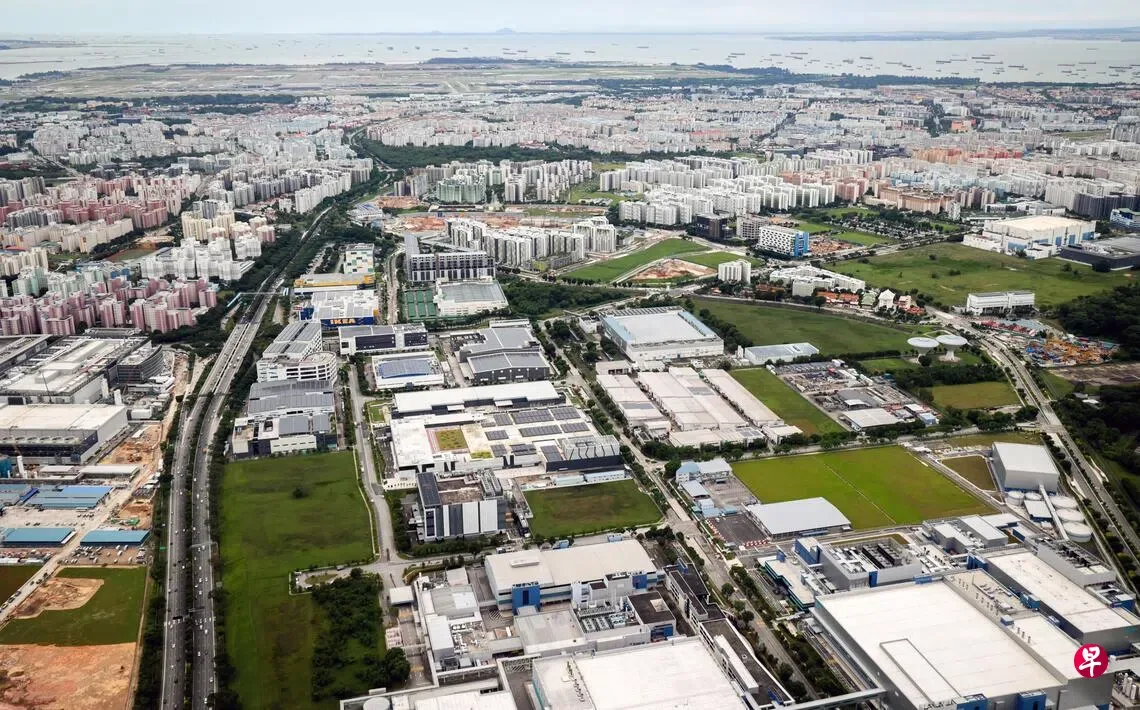
Singapore’s industrial real estate occupancy rose to 89.1% in Q2 2026, up 0.2 percentage point quarter-on-quarter, driven by business parks and multi-user factories, according to JTC data released in July [1, 2]. Industrial rents increased 0.5% and prices rose 0.6%, with single-user factory rents up 0.7% though business park rents declined slightly by 0.1% [1, 2]. The market absorbed 1.38 million sqm in Q2, pushing prices up 1.1% for single-user factories as prices returned to attractive levels for manufacturers, said MOGUL.sg Chief Researcher 麦俊荣 [1]. Analysts project industrial rents will grow 1% to 3% for the full year with prices rising 3% to 5%, amid an expected 400,000 sqm new supply in the second half of 2026 [1].
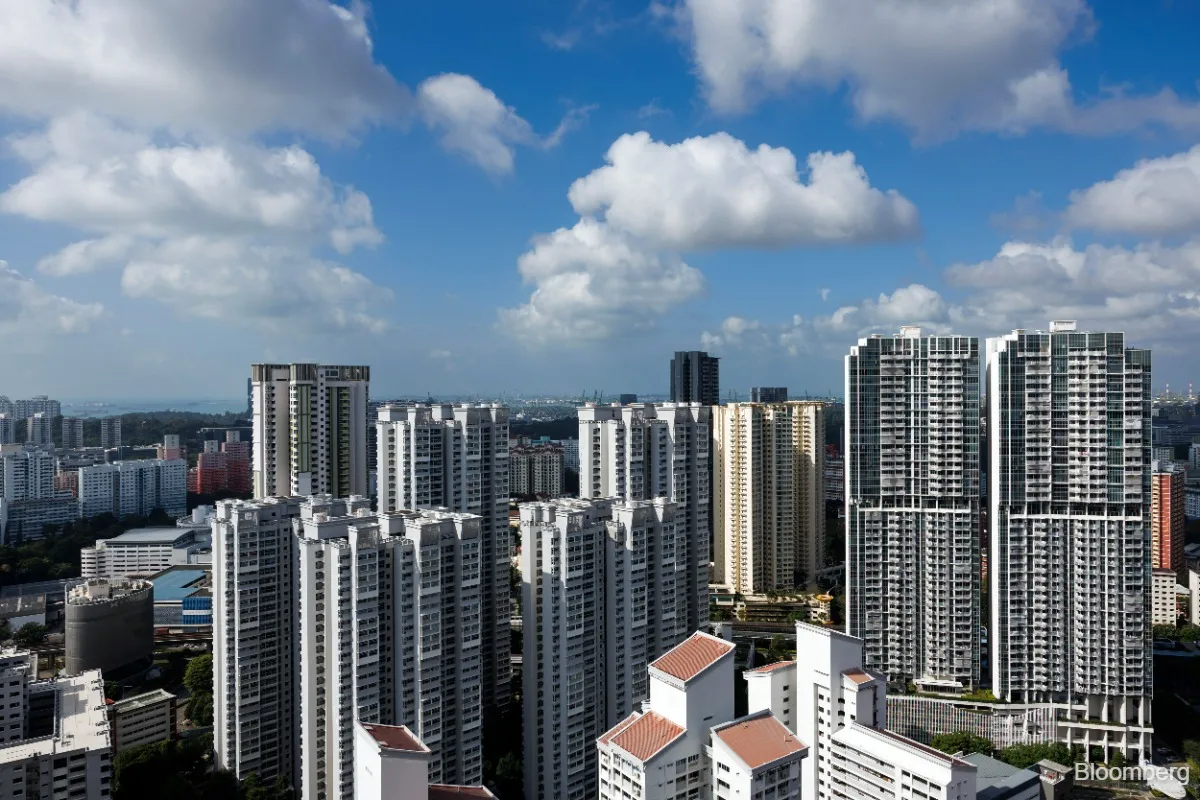
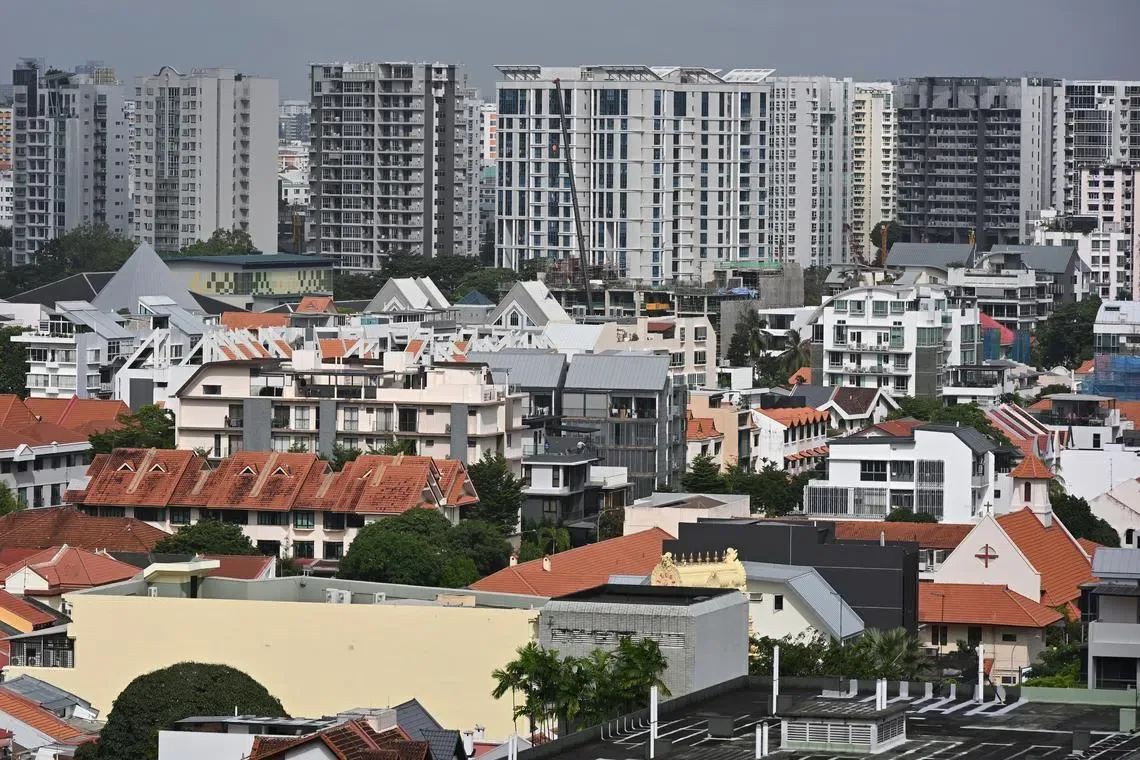
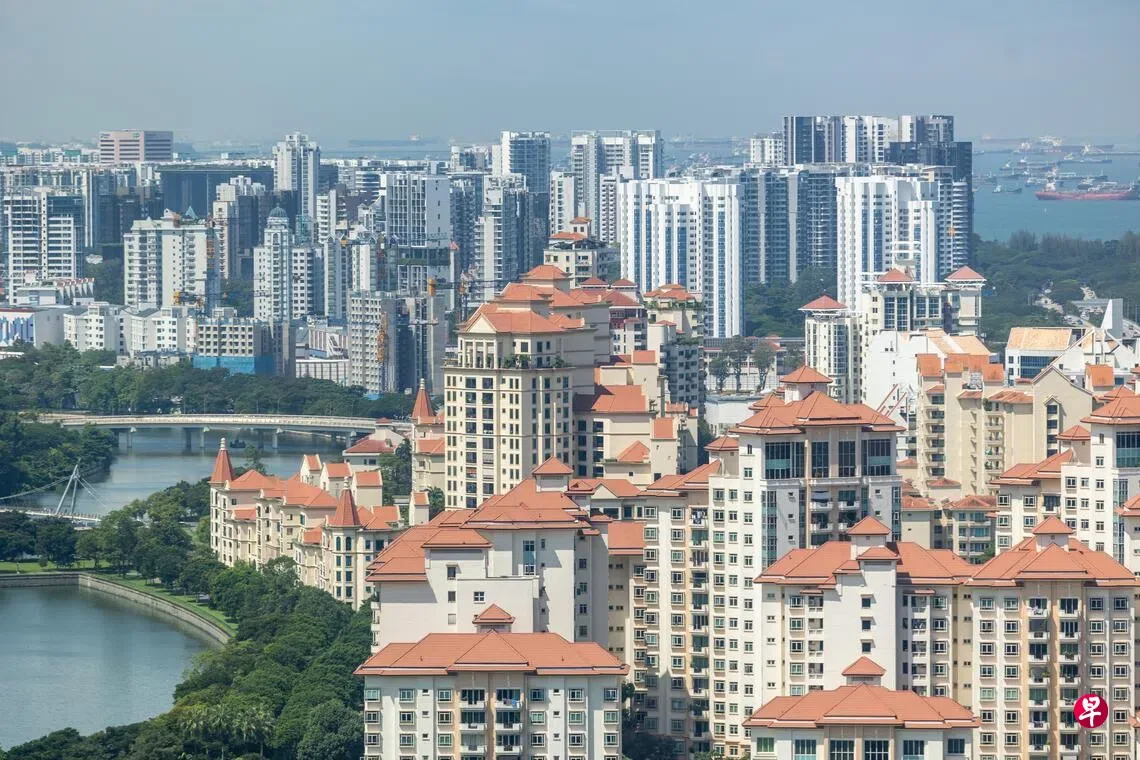
Private residential home prices rose 0.5% in Q2 2026, marking the seventh consecutive quarterly increase but at a slower pace than Q1’s 0.9% growth[ s2,s4,s6,s12]. Residential rents accelerated, rising 0.7% in Q2 compared to 0.3% in Q1, with landed home rents up 2.7% and prime area condominiums increasing 1.2% [3, 4, 5, 6, 7]. The average private home price has reached about US$1.8 million, surpassing prices in Hong Kong and Tokyo [3, 7]. Some landlords are shifting from single-family home rentals to multi-tenant or co-living models to boost rental income as renting entire units can be less profitable, said property owner Josephine Liu [8]. "After paying off the management company, the remaining amount is still way better than if you rent it to (one) family," Liu explained [8].
Public housing resale prices declined 0.3% in Q2 2026, continuing the dip seen in Q1, though resale flat transactions rose 1.8% quarter-on-quarter [4, 6].
Singapore retail rents grew 0.6% in Q2 2026, reversing a previous decline despite a slight increase in vacancy rate to 6.5% from 6.3% [9, 10]. Office rents in the central region increased 0.8% after a 0.2% dip in Q1, while islandwide office vacancy rose to 11%, influenced by new completions such as Shaw Tower [9, 11, 12]. Colliers’ Catherine He said the office leasing market remained landlord-friendly due to tight supply and steady occupier demand, especially in Core CBD Grade A buildings [12]. CBRE’s Tricia Song noted that tenants will take time to fit out and move into new buildings [12].
King Frank’s Knight Frank head of Corporate Real Estate Wang Liyin highlighted that transactions above S$10 million fell to 16 in Q2 from 39 in Q1, while sub-S$10 million deals increased to 370, indicating continued interest by companies in owner-occupied spaces [1].
The next notable data release will cover the second half of 2026, as analysts monitor new supply and rental trends in industrial and residential sectors amid ongoing demand shifts [1, 5].