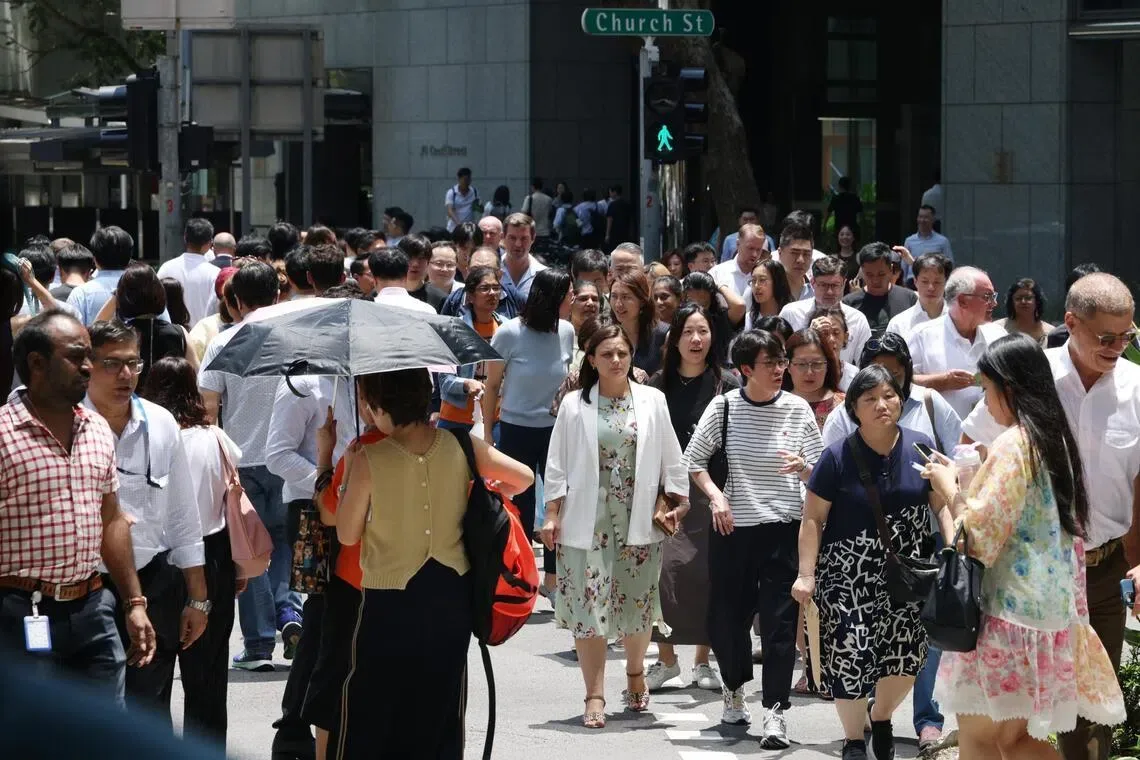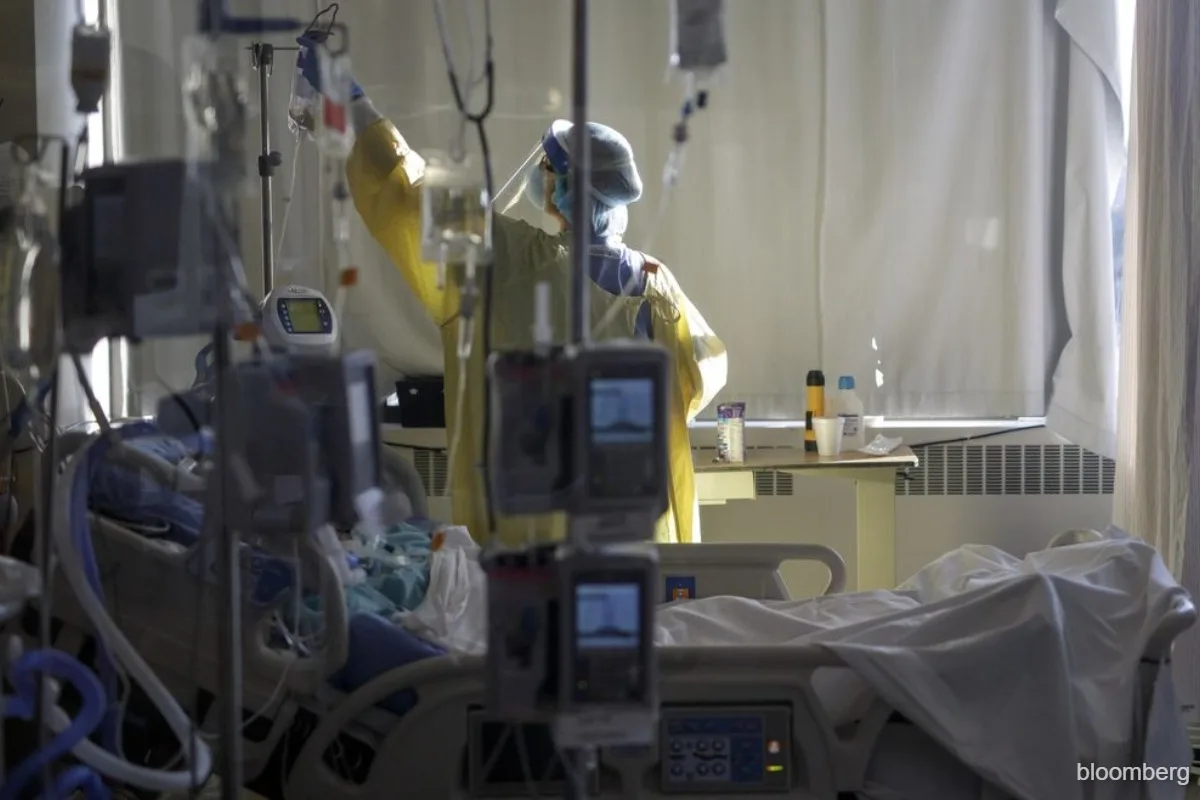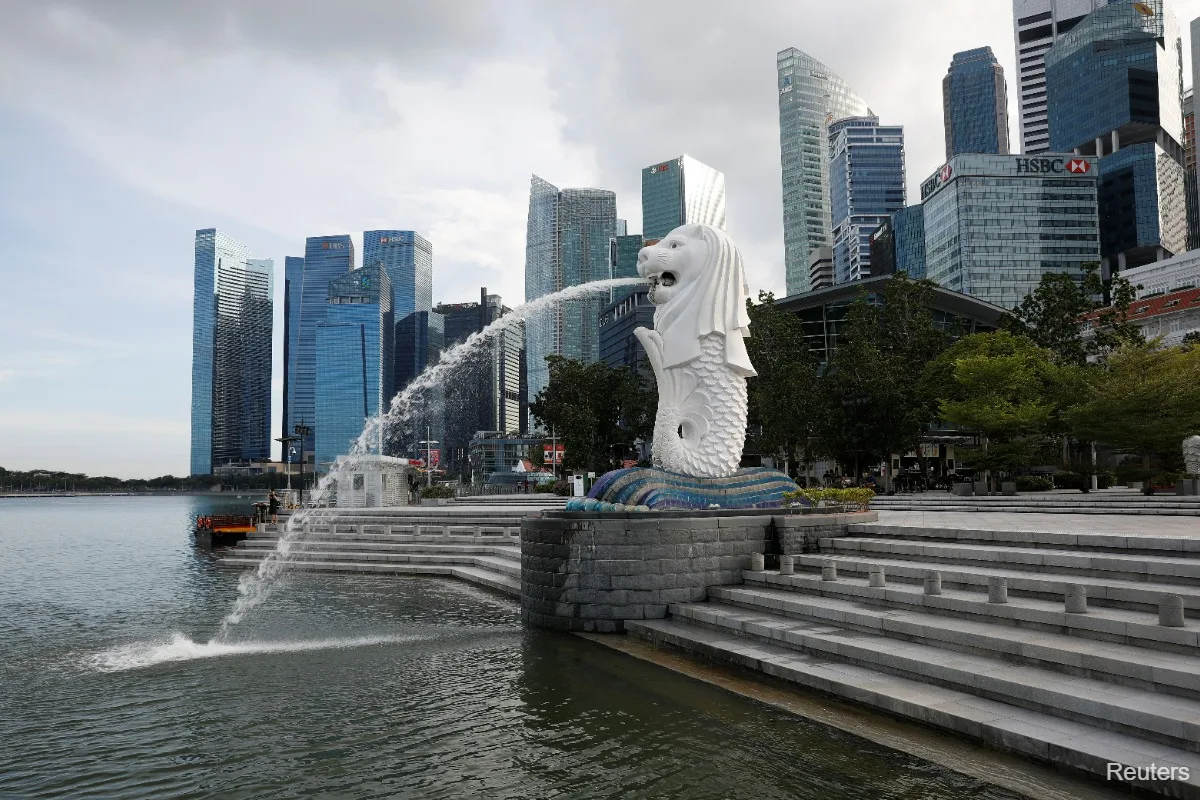
Singapore recorded 12,700 COVID-19 cases in the week of May 10 to 16, up from 8,000 cases the previous week, a 59% increase, with average daily hospitalisations rising from 56 to 73 and about one ICU case per day on average [1, 2, 3, 4]. The main variant circulating is the NB.1.8.1, a descendant of the JN.1 variant, accounting for more than half of sequenced cases [1, 2, 3, 4]. The Communicable Diseases Agency (CDA) said, "The current COVID-19 vaccine continues to be effective for protection against this variant" and added that "periodic COVID-19 waves are expected throughout the year" similar to other endemic respiratory diseases [1]. The rise in cases may be linked to waning population immunity, and the CDA recommended that at-risk groups including those aged 60 and above, medically vulnerable children over six months old, healthcare workers, and close contacts of vulnerable individuals keep vaccinations up to date [1, 2, 4]. The agency also advised the public to maintain good hygiene, minimise social interactions when unwell, and wear masks if symptomatic [1, 2, 4].
Meanwhile, Malaysia reported 9,682 COVID-19 cases year-to-date up to epidemiological week 19 of 2026, representing a 12.6% decrease compared to the same period last year. There was a slight 0.7% week-on-week increase with 575 cases more than week 18 [5, 6, 7, 8, 9]. The Ministry of Health said most cases involved mild symptoms that did not require hospital treatment and no COVID-19 deaths have been recorded so far in 2026 [5]. The ministry noted that COVID-19 infections are now managed as common respiratory tract infections like cold and influenza [5]. Genomic sequencing and monitoring of new subvariants continue, with no evidence of variants triggering severe waves [5]. Malaysia advises continued hygiene, mask-wearing when symptomatic or in crowded places, and encourages vaccination especially for high-risk groups such as the elderly, chronically ill, immunocompromised, and pregnant women [5, 6, 7, 8, 9].
On May 21, Singapore's CDA issued statements monitoring the rise in infections and vaccine guidance [1, 2, 3, 4]. On May 24, Malaysia's Ministry of Health released updates confirming the stable COVID-19 situation and no deaths to date in 2026 [5, 6, 7, 8, 9].