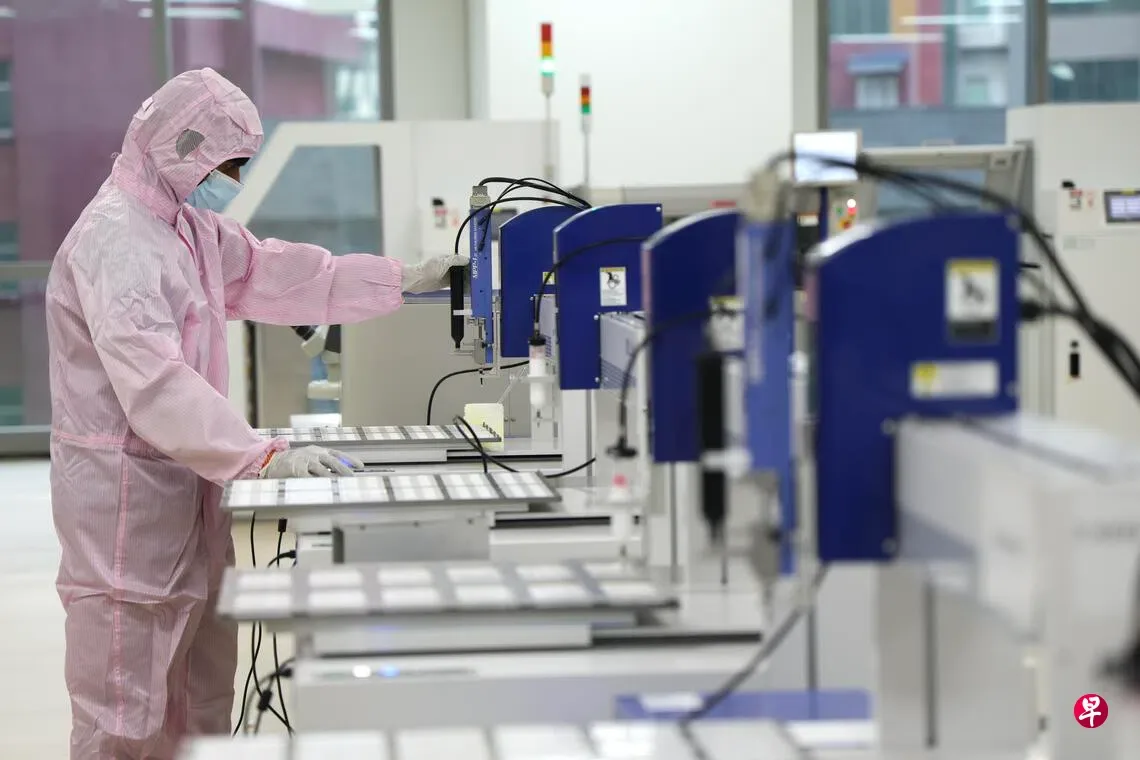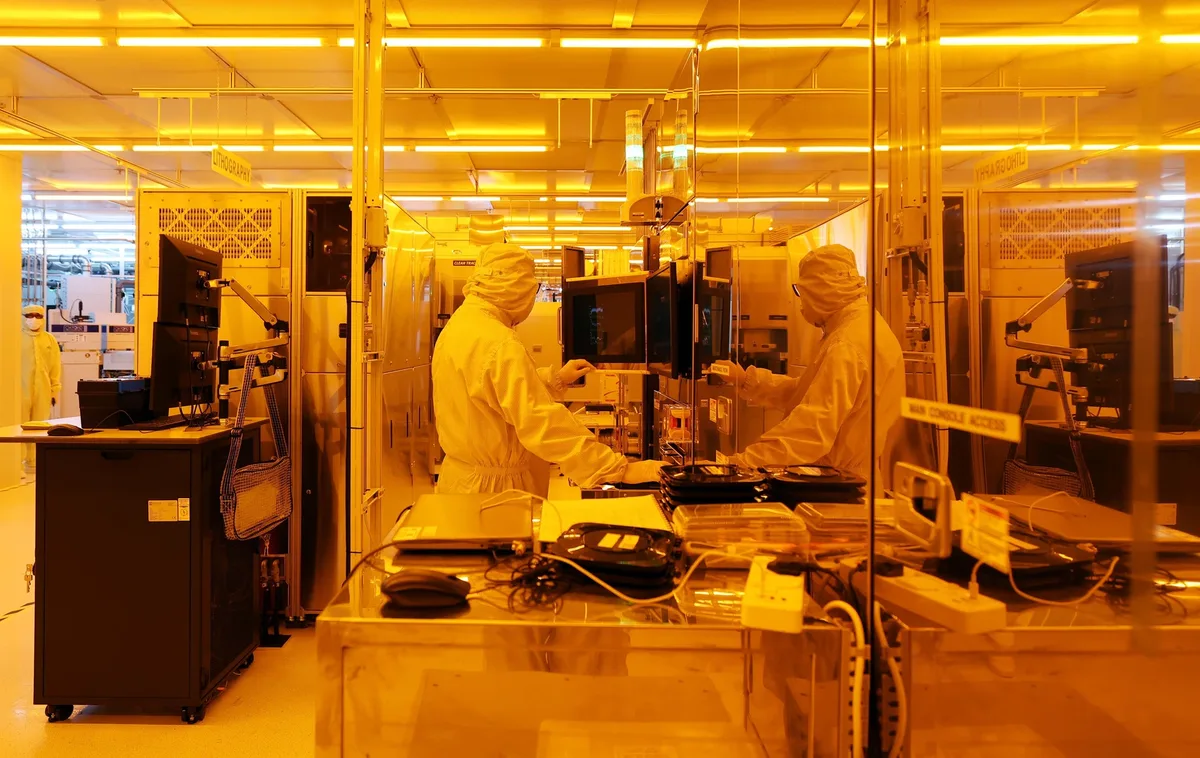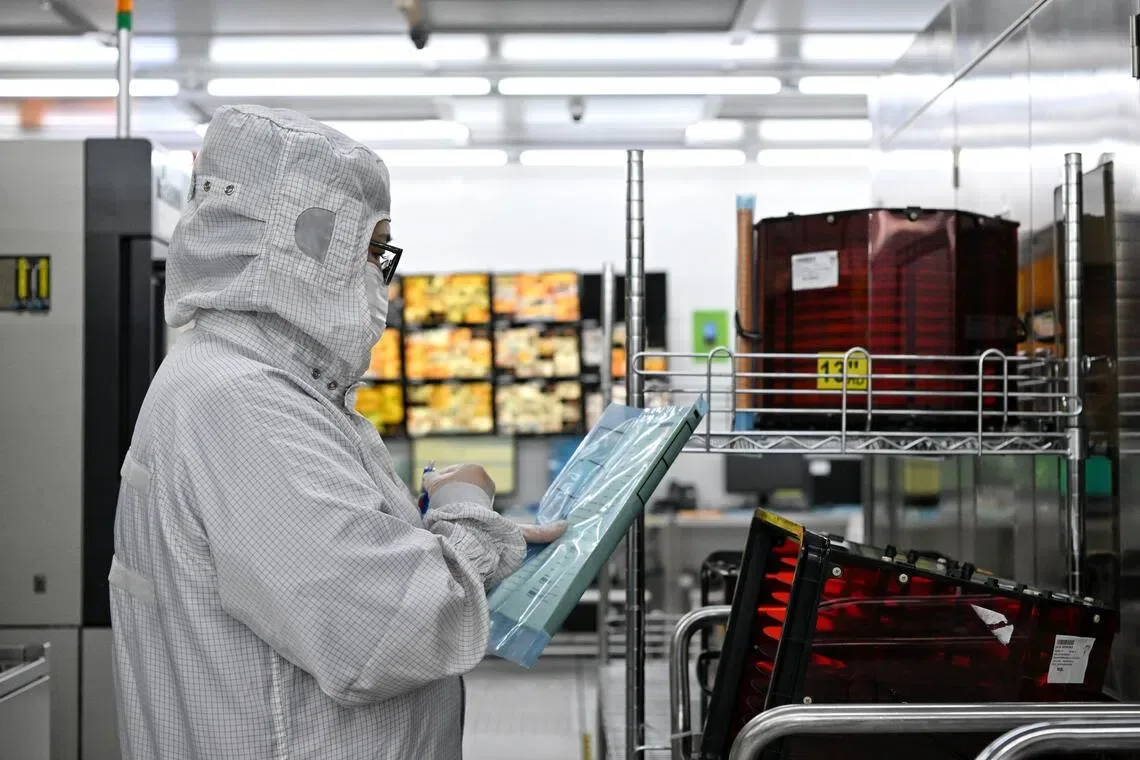
Singapore's factory activity expanded in July for the 12th consecutive month, driven by strong demand for AI-related semiconductors, according to manufacturing data released this month [1, 2, 3, 4]. The overall factory Purchasing Managers' Index (PMI) rose slightly to 51.4 in July from 51.3 in June, indicating continued growth in the manufacturing sector [1, 2, 3, 4]. The electronics sector showed particularly robust performance, with its PMI reaching 52.4—marking 14 months of expansion and the highest level since January 2018 [3, 4].
Despite overall growth, factory output expanded more slowly, with the output index falling to 50.8 in July from 51.1 the month before [1, 2]. Supply chain pressures worsened amid escalating geopolitical tensions. The supplier deliveries index contracted for the seventh straight month, declining to 47.8 from 48.3 in June, signaling prolonged lead times and worsening logistics bottlenecks [1, 2, 3]. "The collapse of the Middle East ceasefire has triggered a supply chain crisis, sending input prices soaring and severely crippling supplier delivery times," said Stephen Poh, executive director of the Singapore Institute of Purchasing and Materials Management [1].
The temporary ceasefire between the US and Iran signed in June — which included reopening the Strait of Hormuz — collapsed in July amid renewed strikes and clashes over the strategic waterway [1, 2]. Rising turmoil in the Middle East has disrupted global supply chains, affecting petrochemical feedstocks, transport logistics, insurance premiums, and energy prices worldwide [1, 2, 3, 4]. "The Middle East conflict remains a bugbear since the Strait of Hormuz continues to be a choke point that affects not only global energy prices, but also trade flows," said Selena Ling, chief economist at OCBC Bank [1]. UOB economist Jester Koh noted, "The re-escalation of the Middle East conflict in July led to a further deterioration in the supplier deliveries index, with lead times lengthening" [1].
Input prices in manufacturing rose further in July, with the overall manufacturing input price index climbing to 51.6 and electronics input prices nudging up to 52.7 [3]. Despite these pressures, demand remains strong. Semiconductor orders outpace supply, with manufacturers drawing down inventories to fill rising orders, according to analysts [4]. Hyperscale cloud service providers are investing heavily in AI infrastructure across 2026 and 2027, bolstering sustained demand in electronics and semiconductors [3, 4]. DBS senior economist Chua Han Teng said, "Strong hyperscaler investment in the second half of 2026 is expected to continue driving robust export demand for Singapore's electronics products, including memory chips and server-related products" [4].
However, some segments face challenges. The electronics sector's finished goods index remained in contraction for the third month running in July [4]. Large cloud firms are spurring demand, but supply bottlenecks remain a significant drag. UOB's Koh added, "Semiconductor demand is outpacing supply, with manufacturers drawing down inventories to meet rising orders. This should continue to keep electronics manufacturing supported in the months ahead" [4].
Some shipping routes may divert from traditional passages like the Suez Canal and Mandeb Strait as Middle East tensions persist, potentially increasing transport times and costs [3]. These factors contribute to ongoing supply delays rather than weakening market demand. OCBC's Ling stressed that the troubles stem from supply constraints: "Manufacturing is facing supply bottlenecks and rising input prices rather than weak demand" [3].
On August 3, US President Donald Trump called off further strikes and announced the resumption of talks with Iran amid the conflict [1, 2]. The next key updates on supply chain conditions and conflict dynamics are expected as discussions progress and as major cloud and semiconductor firms continue their investment cycles throughout the remainder of 2026 [1, 4].