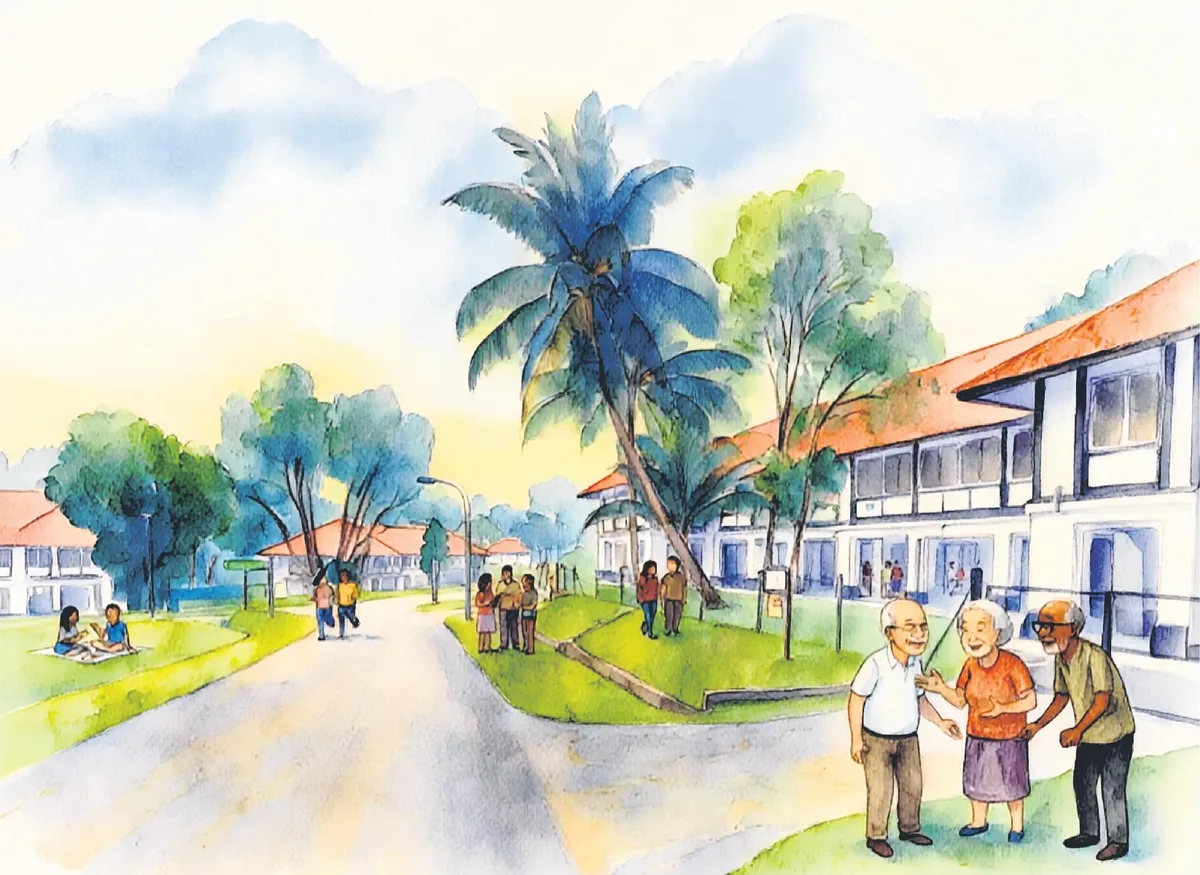
Singapore is witnessing new private senior housing models, such as a project converting colonial-era houses into serviced apartments for older residents [1, 2]. These options aim to meet the needs of the country’s growing elderly population.
Despite the emergence of these new housing types, Singaporeans traditionally prefer to age in their own homes, whether living alone, with family members, or supported by domestic helpers [1, 2]. Aging at home allows seniors to maintain a sense of independence and comfort.
The Ministry of Health (MOH) confirms most seniors choose to grow old in familiar surroundings. "Based on studies and public feedback, the majority of seniors prefer to age in their homes, where they can age actively, stay socially connected, and be cared for within their communities," the MOH said [1]. This reflects a strong cultural preference to remain integrated within existing social and community networks.
The new private housing models offer alternatives for seniors who seek greater support or social engagement outside their traditional homes. Projects transforming colonial-era properties into serviced apartments provide a blend of heritage charm and modern convenience tailored to older residents' needs [1, 2].
These developments run alongside existing home-based care services and community support efforts. No specific timelines or rollout plans were given, but the rise of private senior-living options indicates a diversification of eldercare solutions in Singapore.
Authorities and developers are expected to continue exploring housing innovations that suit varied senior lifestyles while respecting their preference for home-centered aging.