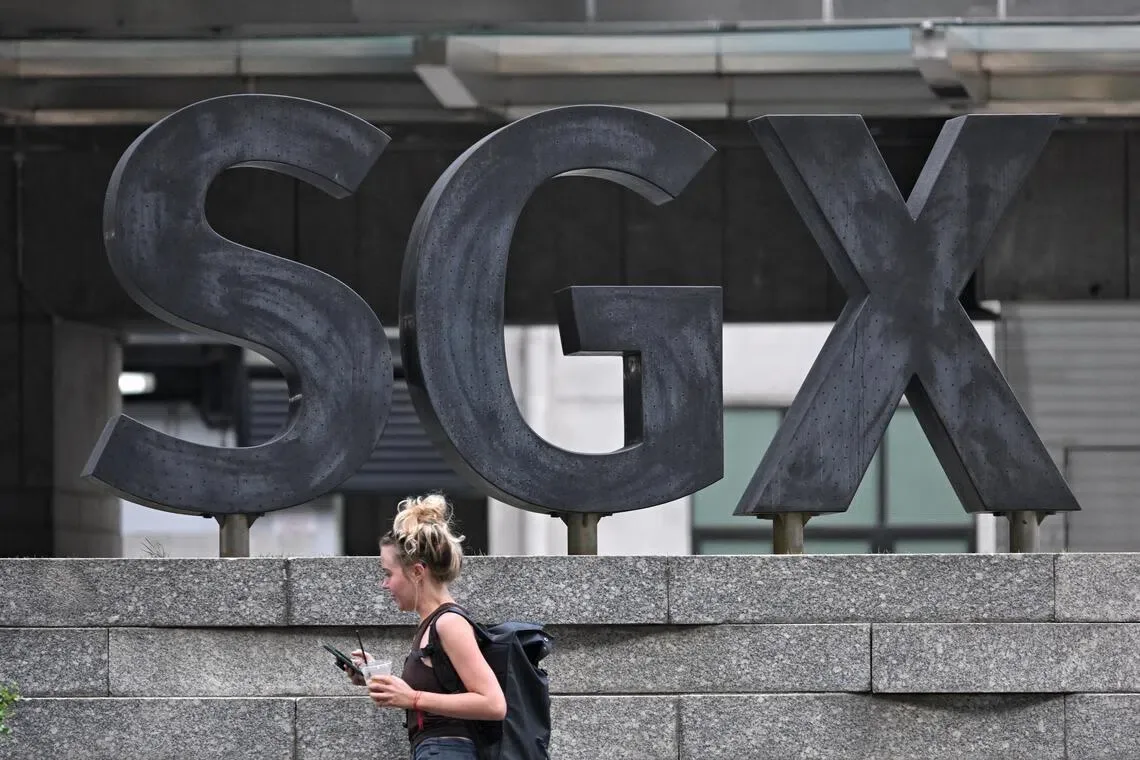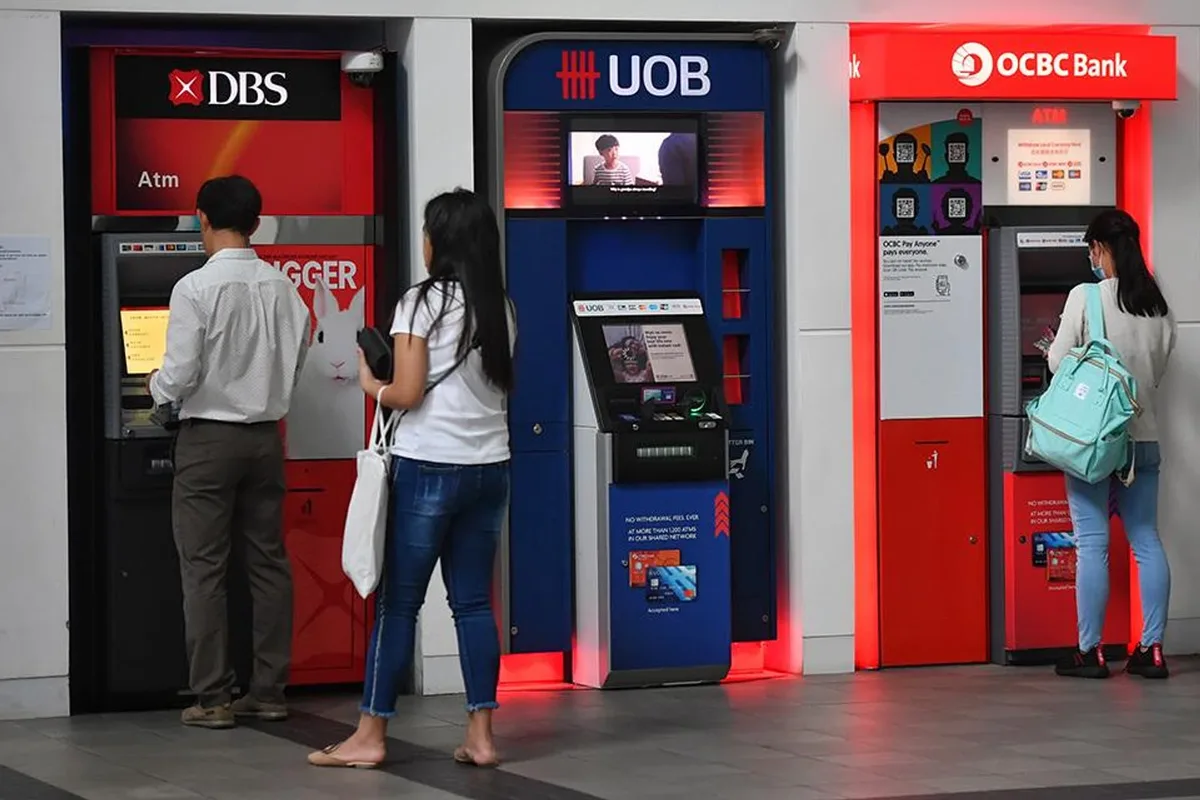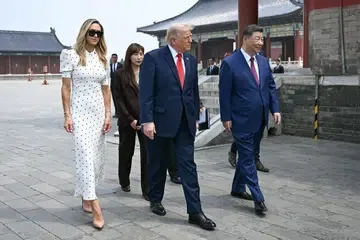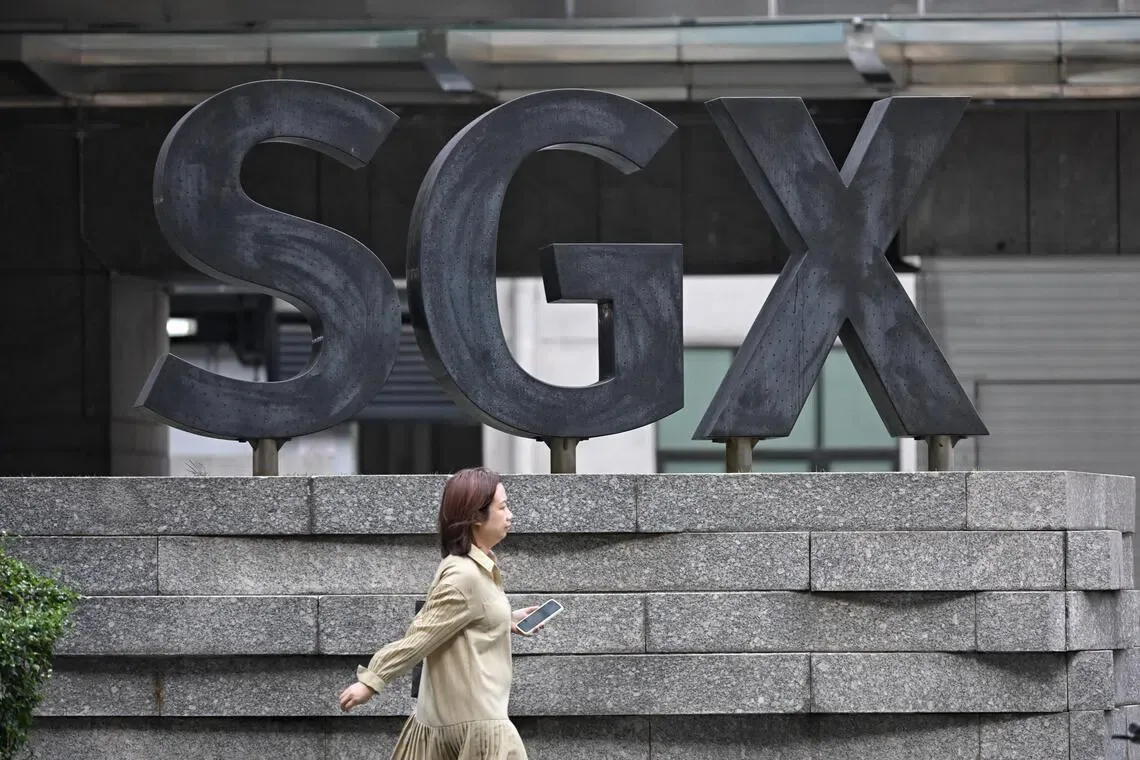
Singapore's benchmark STI index closed lower on May 14, falling 0.2% to 4,995.94 after the Trump-Xi meeting in Beijing failed to lift investor sentiment [1, 2]. Losers outnumbered gainers 359 to 257, with 2.2 billion shares worth S$2.6 billion changing hands. Singtel led gainers, adding 1% to S$4.87, while Frasers Logistics & Commercial Trust dropped 3.6% to S$0.94. Local banks rose modestly: DBS gained 0.4% to S$60.13, OCBC added 0.3% to S$22.95, and UOB edged up 0.1% to S$37.37 [1, 2].
Regional indexes showed mixed performance on May 14. The Hang Seng was flat, the Nikkei fell 1%, the Kospi rose 1.8%, and Malaysia's KLCI declined 0.04% [1, 2]. Stephen Innes, managing partner at SPI Asset Management, described the Trump visit as the "opening ceremony for a new phase of great power coexistence," saying "what markets are witnessing is not the rebuilding of trust. It is interdependence being reluctantly acknowledged" [1].
The downward trend continued on May 15 as the STI fell 0.1% to 4,989.08 amid broader regional declines. Losers outnumbered gainers 431 to 224 on turnover of 2.3 billion shares valued at S$2.5 billion. Singapore Airlines led the advances, rising 2.4% to S$6.42, while Venture Corporation was the worst performer, falling 3.1% to S$17.64. Local banks ended mixed: DBS rose 0.1%, but OCBC dropped 0.1% and UOB declined 0.2% [3].
Regional key indexes weakened on May 15 with the Hang Seng down 1.6%, Nikkei off 2%, Kospi falling 6.1%, and KLCI sliding 0.3% [3]. Vincenzo Vedda, CIO at DWS Global, warned that sustained oil prices above US$110 a barrel could prompt tighter monetary policy even as growth slows. He added that higher bond yields would pressure equity valuations [3].