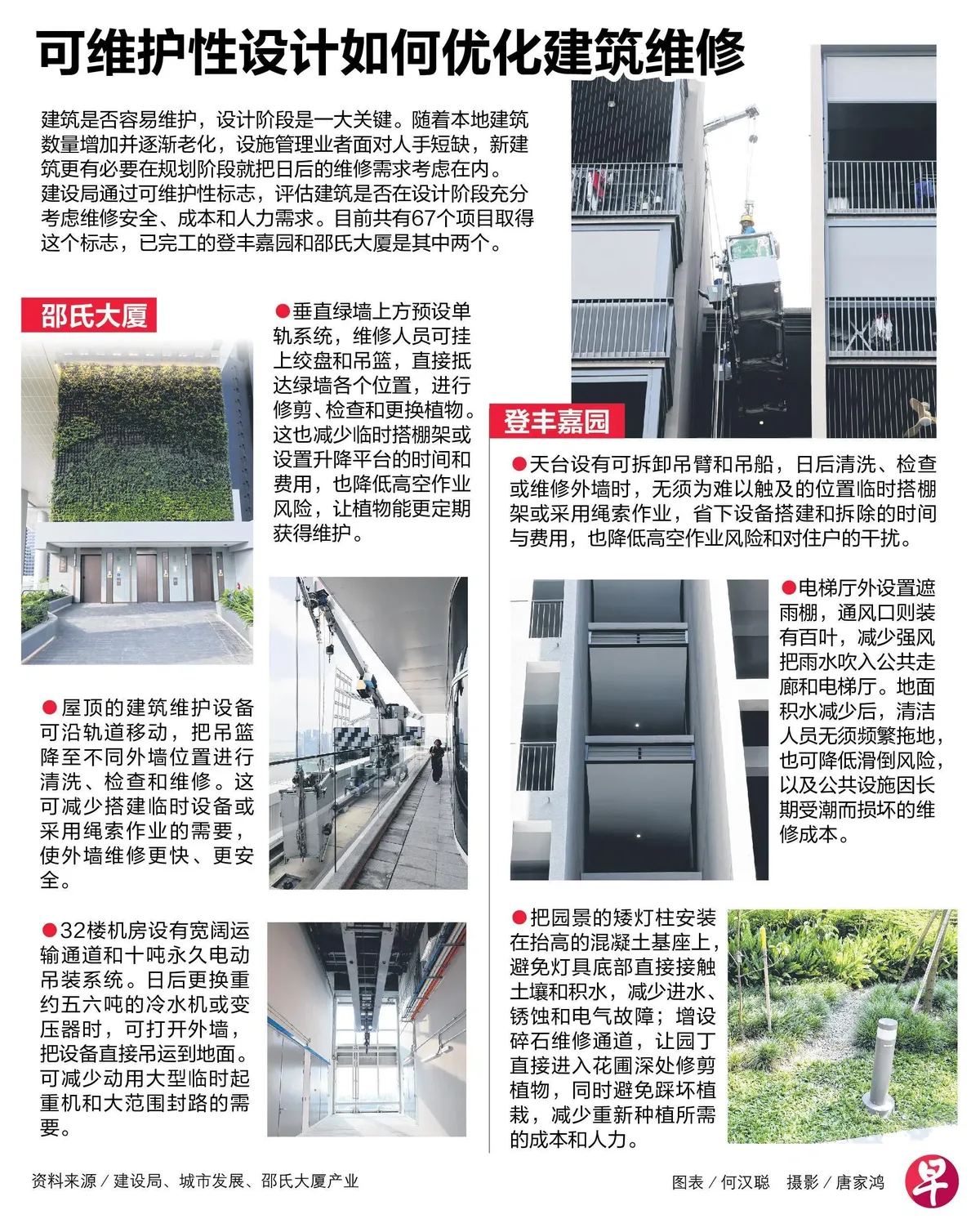
A Building and Construction Authority (BCA) study has shown that three commercial buildings in Singapore with Design for Maintainability (DfM) features saved between S$310,000 and S$950,000 annually in maintenance and manpower costs, while a residential development saw savings of about S$110,000 per year [1, 2, 3, 4].
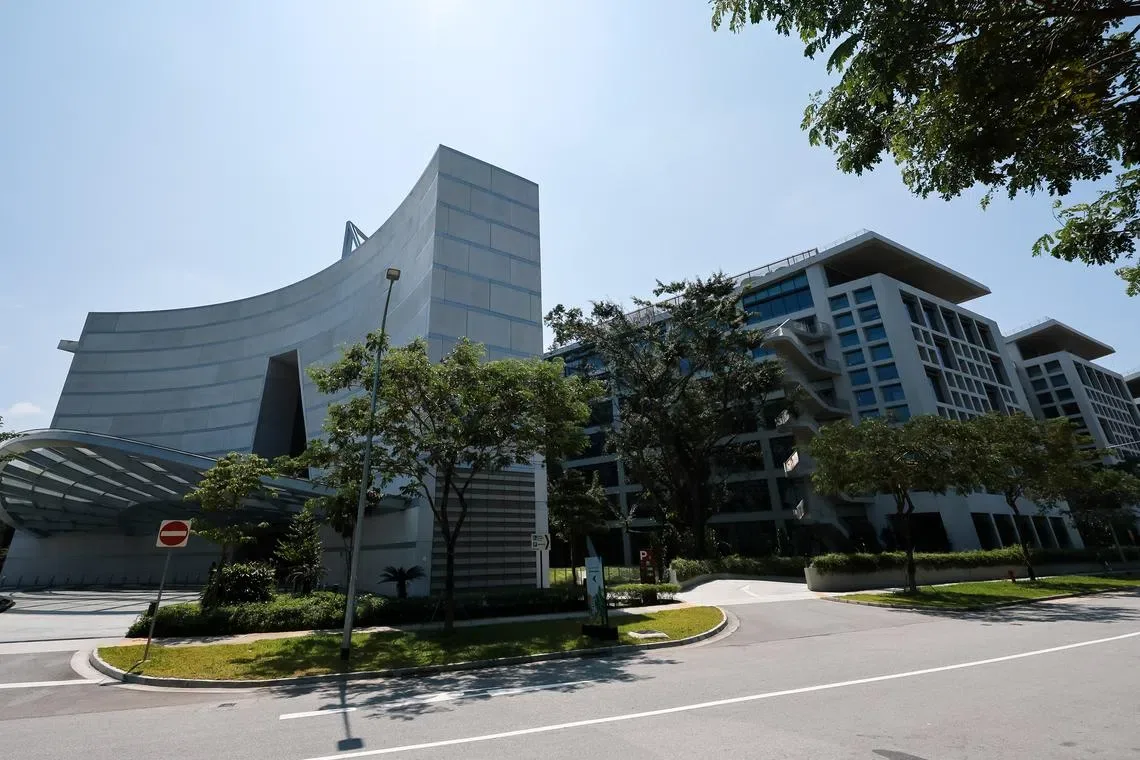
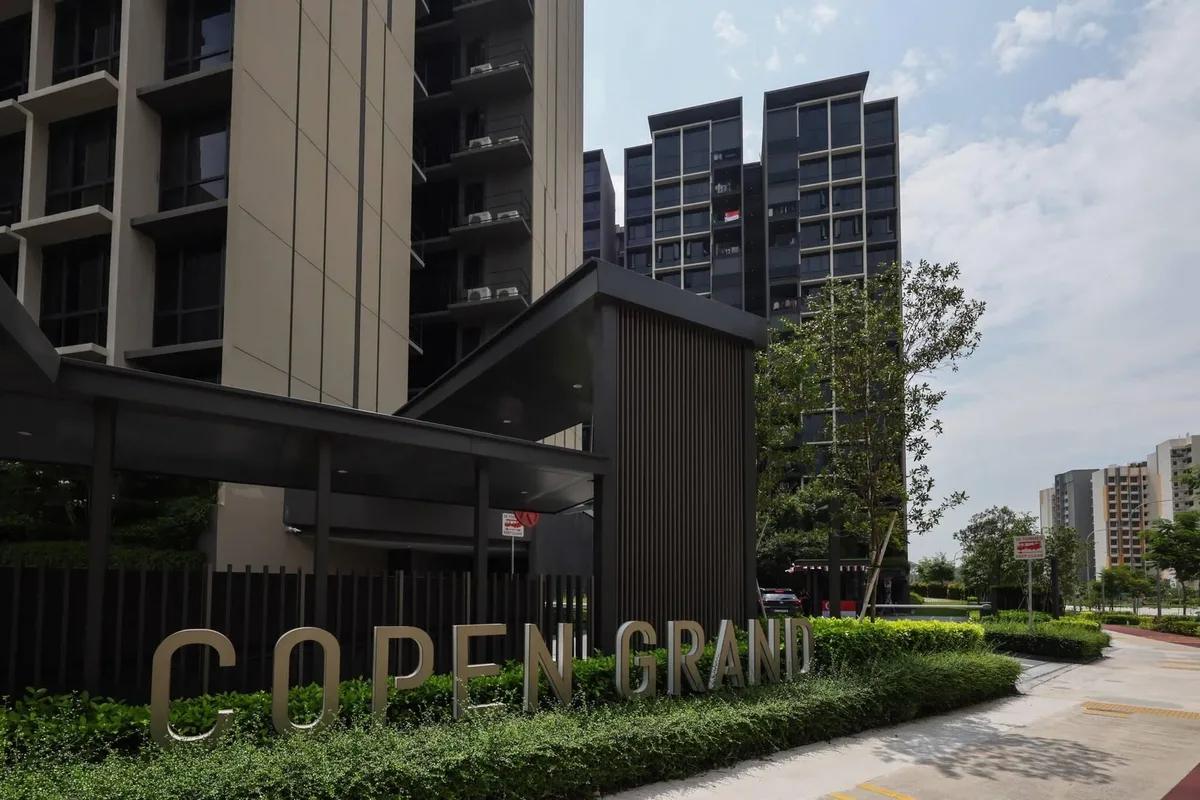
The study covered four projects: Surbana Jurong campus, Ascent building, Shaw Tower, and Copen Grand executive condominium [1, 2, 3, 4]. Incorporating DfM measures added 0.6% to 1.5% in upfront construction costs for commercial buildings and about 0.2% for residential projects, representing a modest investment for significant operational savings [1, 2, 3, 4].
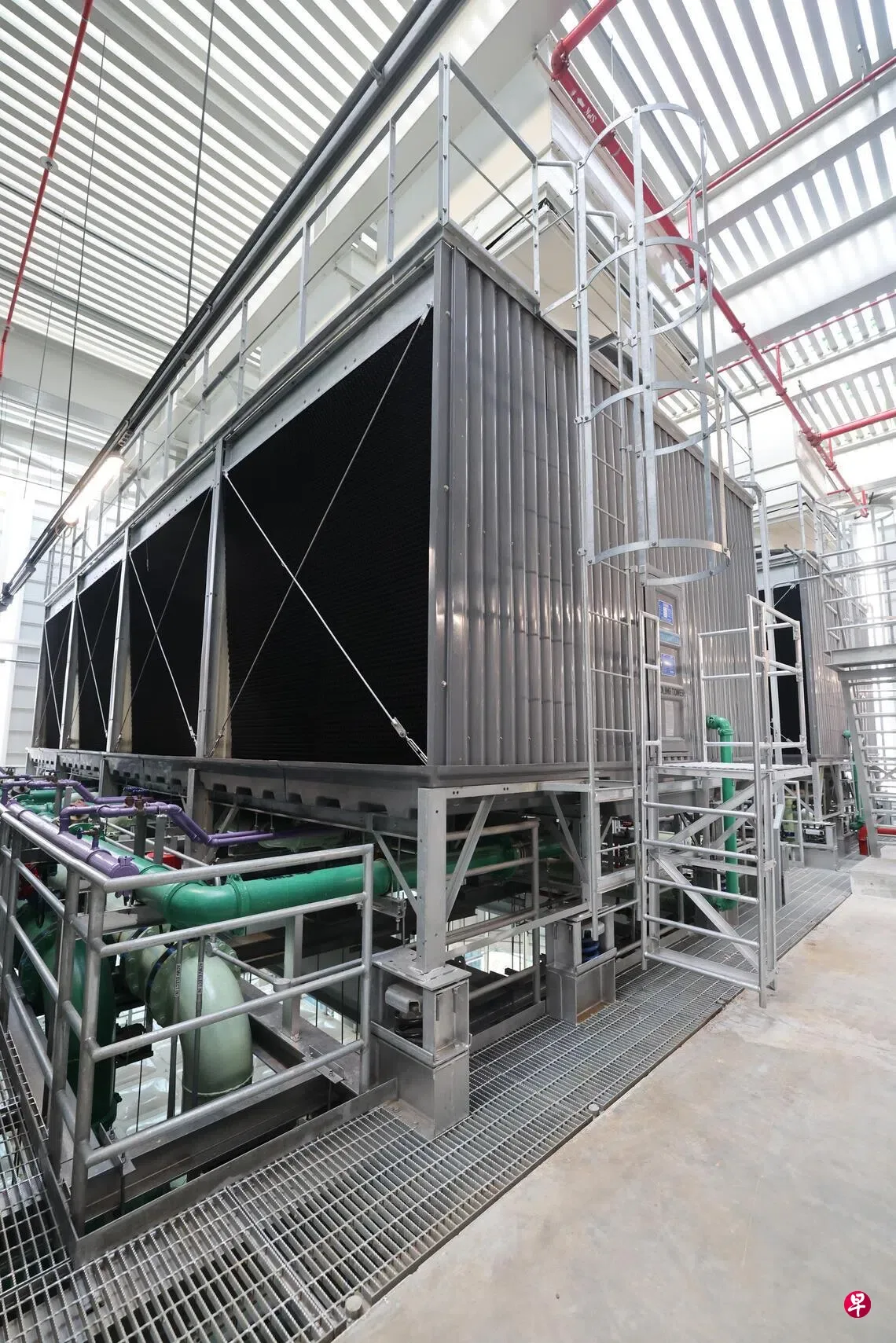
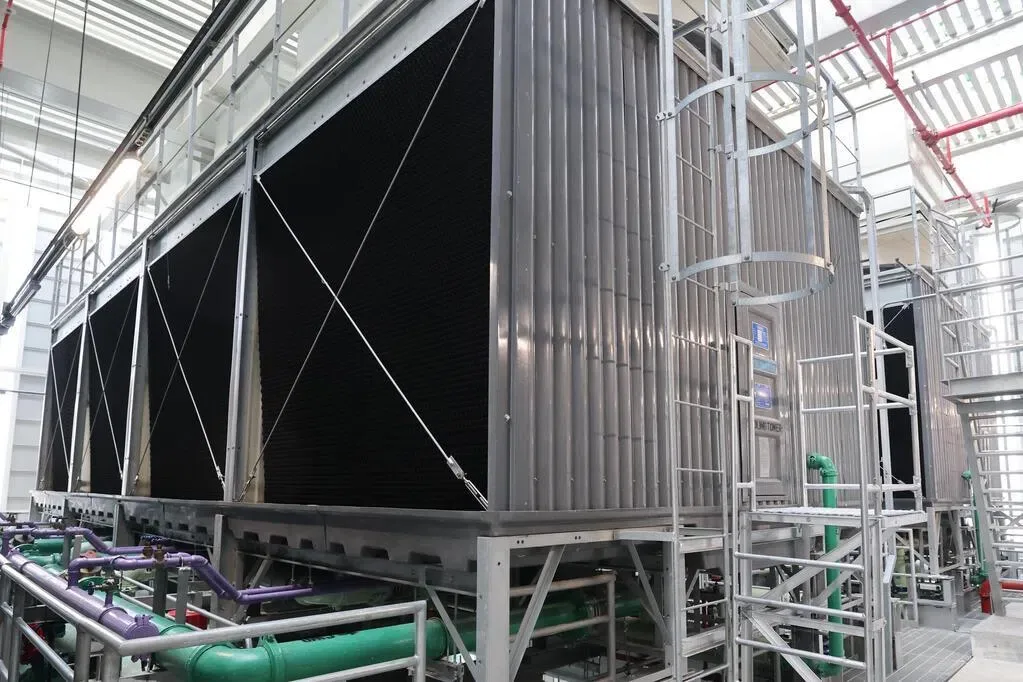
Shaw Tower exemplifies cost benefits with the inclusion of a cat-ladder allowing safe and efficient access to its cooling tower. This feature generated lifecycle savings exceeding S$750,000 with a payback period of just three years. Cooling towers typically last 15 years, so recovering the DfM investment early yields net positive returns over the remaining 12 years of service life [1, 2, 3, 4]. The study also found that DfM designs can reduce annual maintenance manpower requirements by over 60% [3, 4].
BCA assessed the lifecycle costs of the buildings over a 30-year usage period, reinforcing the long-term financial advantages of maintaining DfM practices [3]. Minister Chee Hong Tat said, “Across the three commercial buildings studied, the potential annual operational savings from adopting DfM ranged from $310,000 to $950,000... For the residential development, the potential operational savings can be up to $110,000 a year.” [1]
Chee also urged developers and architects to embrace DfM, noting, “Eventual building owners and tenants would also appreciate the value that has been created upstream, which will add value to their properties.” [4]
As of July 22, 2026, 67 projects in Singapore have received the Green Mark maintainability badge for adopting DfM measures [1, 2, 4]. Praveen Chandrashekar emphasized that “building design, sustainability, maintenance needs and smart facility management must be integrated from the planning stage to realise long-term benefits.” [3]
Starting October 1, 2026, CORENET X building plan submission rules will lower the mandatory submission threshold from 30,000 to 5,000 square meters of total floor area, expanding the scope of projects subject to maintainability considerations [3].