Singapore is becoming a super-aged society, with older generations wealthier and spending more on retirement living, investments, insurance, tourism, wellness, and healthcare [1, 2, 3, 4]. Singaporeans now live about 10 years longer than the global average, reflecting notable gains in longevity [1, 2, 3].
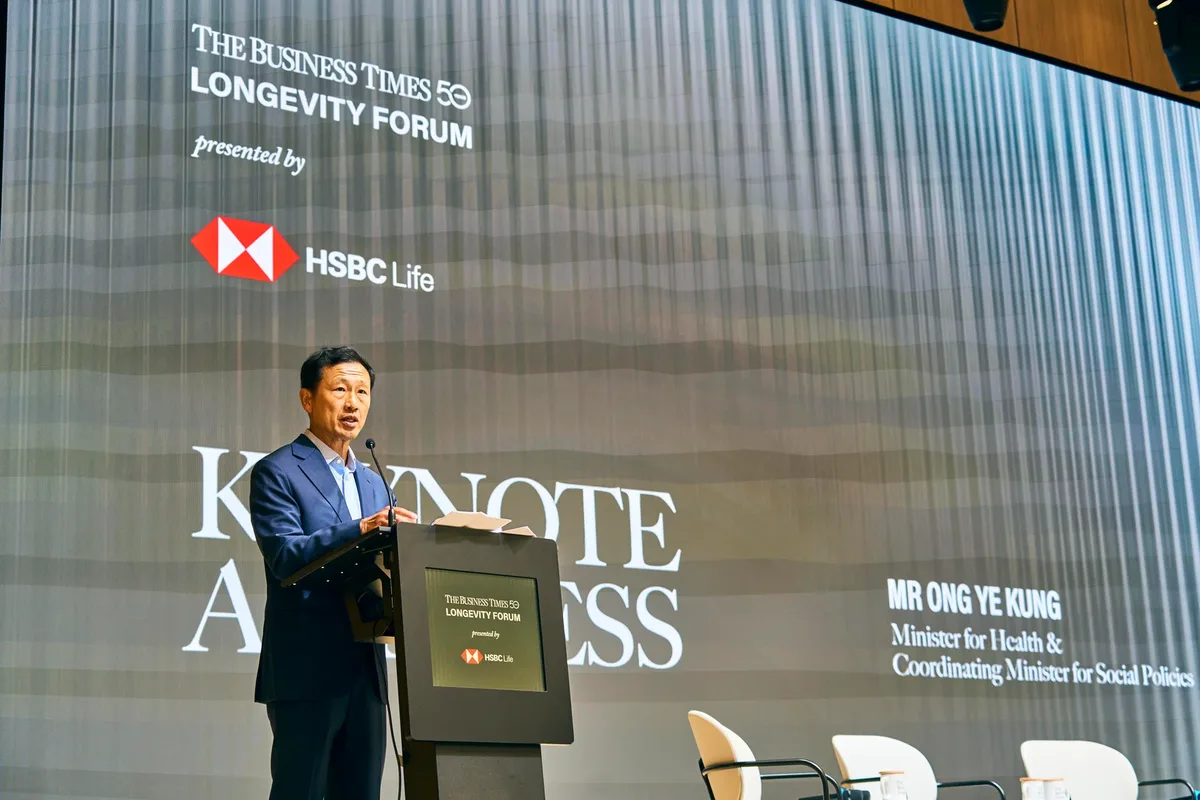
At the inaugural Business Times Longevity Forum on July 25, Health Minister Ong Ye Kung highlighted the need to grow the longevity economy without driving healthcare costs unnecessarily higher [1, 2, 3, 4]. “The decumulation of lifetime savings and the desire to build health and lead better lives will drive the growth of the longevity economy,” Ong said [1].
He warned that over-servicing and unnecessary treatments inflate costs without improving health outcomes. “If over-servicing and unnecessary treatments proliferate, we have not created health or wealth. We have created costs,” Ong said, noting such practices make healthcare increasingly expensive and unaffordable worldwide [1]. He urged insurers to rein in over-generous health insurance riders that encourage over-consumption, saying the industry is responding to government calls [1].
Ong also described healthcare as an essential public service that must remain quality, accessible, and affordable, especially as Singapore ages [4]. He noted that “anxious patients who are worried about small discomforts may undergo numerous expensive diagnostic scans, which can be unnecessary and do more harm than good” [4].
The government aims to collaborate with industry to shape healthcare markets rather than just regulate from afar [1, 2, 3]. Policy frameworks like Healthier SG, Age Well SG, and Nutri-Grade labeling are part of efforts to guide the longevity economy [1, 2, 3].
Biomedical sciences, nutrition, artificial intelligence, and biomedical R&D and manufacturing are key growth sectors. More than 80 leading biomedical companies are regionally based in Singapore [1, 2, 3, 4].
The global wellness industry has grown rapidly from about US$4 trillion a decade ago to US$7 trillion in 2024, and it is expected to approach US$10 trillion by 2030 [4]. Baby boomers spend about three times as much on travel as Gen Z consumers, highlighting older consumers’ spending power [4].
The government’s focus now is to balance growth in retirement and wellness markets with sustainable healthcare spending, backed by partnerships with insurers and industry to reduce cost distortions. The next review of healthcare policies and market shaping efforts is expected in the coming months as these frameworks take effect.