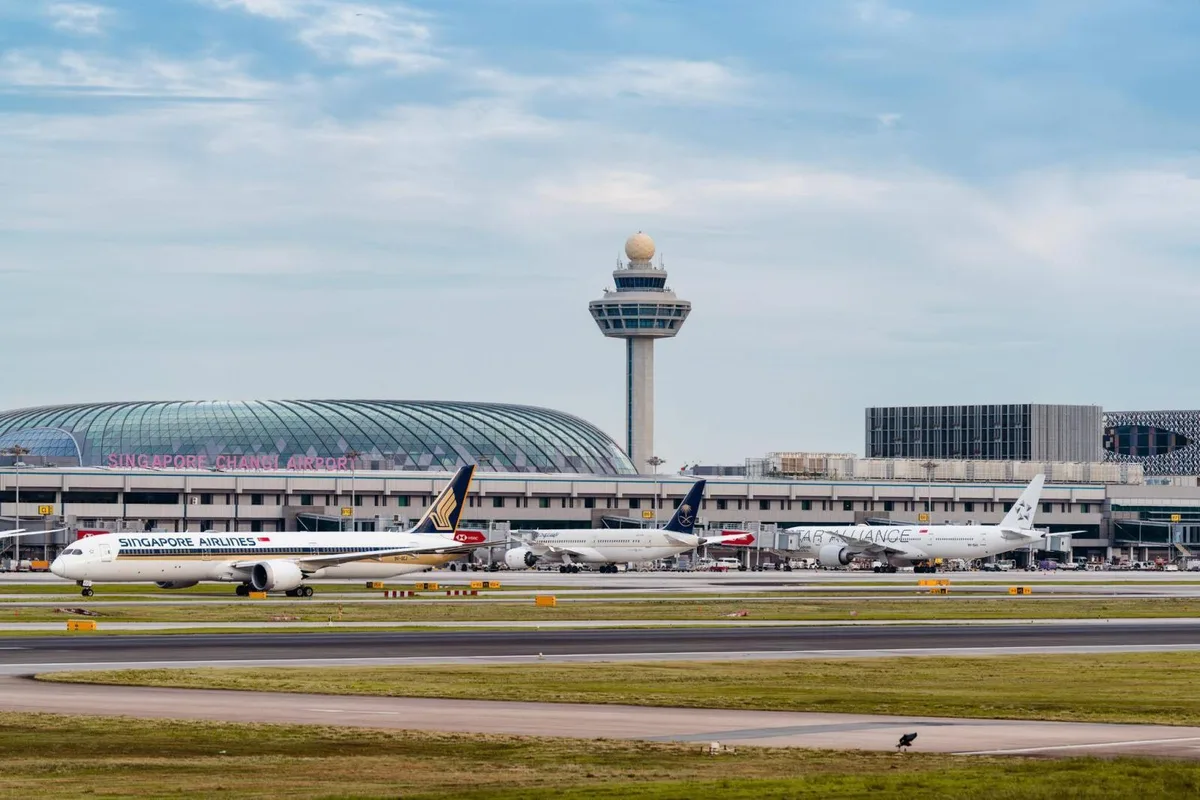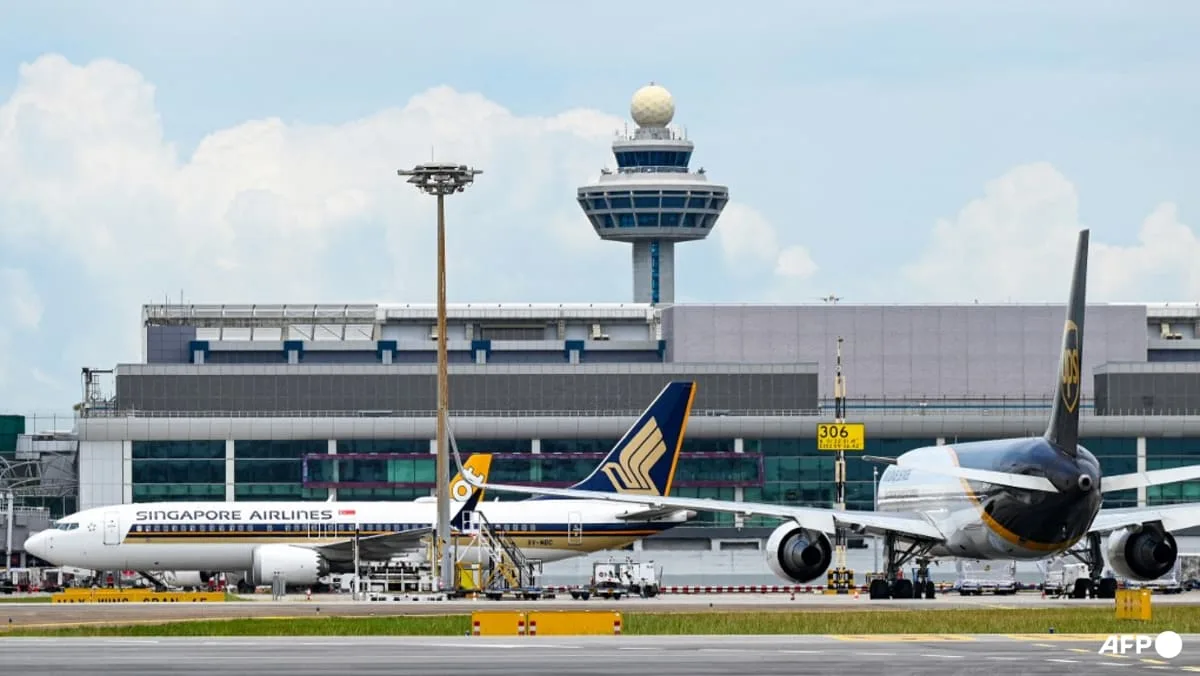
Singapore will introduce a jet fuel green levy for air passengers on flights departing from the country starting January 1, 2027. Tickets subject to the levy must be purchased from October 1, 2026 onward [1, 2, 3, 4, 5].
The levy amount varies by cabin class and distance to destination. Economy and premium economy passengers will pay between SGD 1 and SGD 10.40, while business and first class travelers will be charged from SGD 4 up to SGD 41.60 [1, 2, 3, 5]. The destinations are divided into four geographical bands based on distance from Singapore: Band 1 covers Southeast Asia; Band 2 includes Northeast Asia, South Asia, Australia, and Papua New Guinea; Band 3 covers Africa, Central and West Asia, Europe, Middle East, Pacific Islands, and New Zealand; and Band 4 is for the Americas [1, 2, 3, 5]. For flights with multiple stops, the levy is based on the immediate destination after departing Singapore [1, 2, 3, 5].
The planned jet fuel green levy on air cargo shipments will be postponed by one year. It will apply to cargo services sold from October 1, 2027, for flights departing on or after January 1, 2028 [1, 2, 3, 4, 5]. Civil Aviation Authority of Singapore (CAAS) cited the complex nature of air cargo operations involving multiple parties as the reason for the delay, stating, "Taking into account industry feedback, the one-year deferment will allow more time for CAAS to work with the industry to develop and implement a robust sustainable aviation fuel levy collection mechanism for cargo shipments on departing flights" [1].
Gabriel Lam, chairman of SAAA@Singapore, welcomed the deferment, saying it will let industry players "navigate the transition in a more measured and sustainable manner" and allow firms to plan and communicate with customers before the fee takes effect [5].
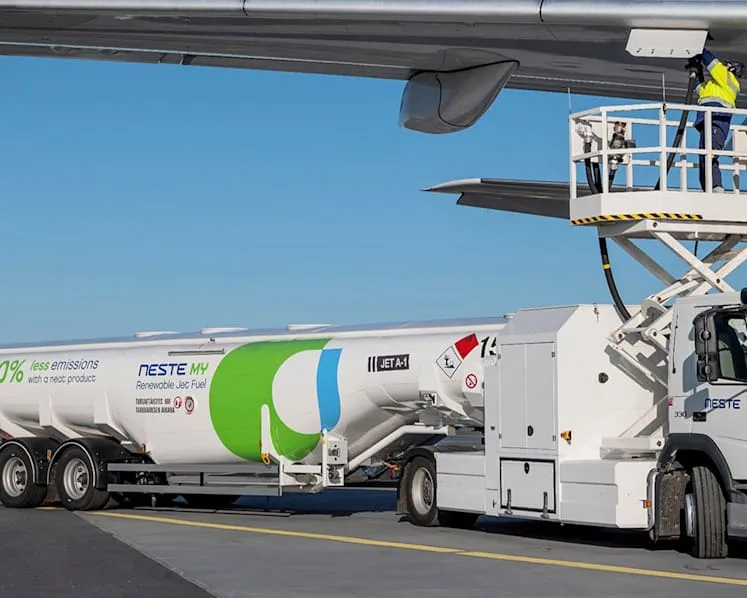
The levy proceeds will be channelled into a Sustainable Aviation Fuel (SAF) Fund used to purchase sustainable aviation fuel and related environmental credits, as well as cover the levy’s administration costs [4]. Sustainable aviation fuel is derived from organic or waste-based feedstock and can cut emissions by up to 80% compared with conventional fossil jet fuel [4].
The levy for passengers was initially scheduled to take effect in October 2026, with tickets sold from April 1, 2026, but was delayed due to the global energy crisis linked to the Middle East conflict and Strait of Hormuz closure [1, 2, 3, 4, 5].
The SAF levy was first announced in November 2025 with the goal of reducing aviation carbon emissions and supporting new fuel sources [4]. The next key date is October 1, 2026, when tickets for passenger flights departing in 2027 with the levy start going on sale [1, 2, 3, 4, 5]. The cargo levy will begin a year later, with tickets from October 1, 2027 for flights starting January 2028 [1, 2, 3, 4, 5].