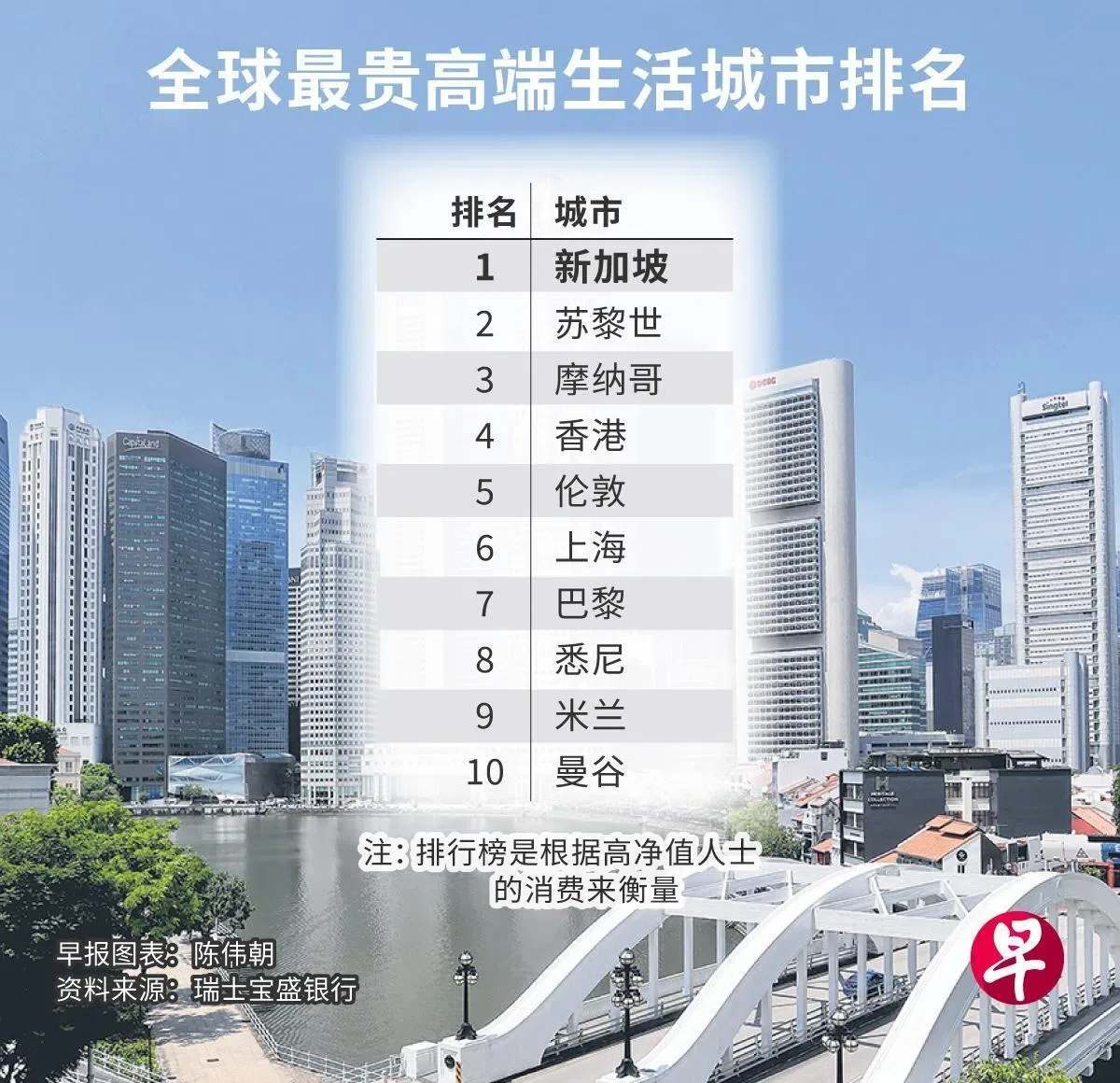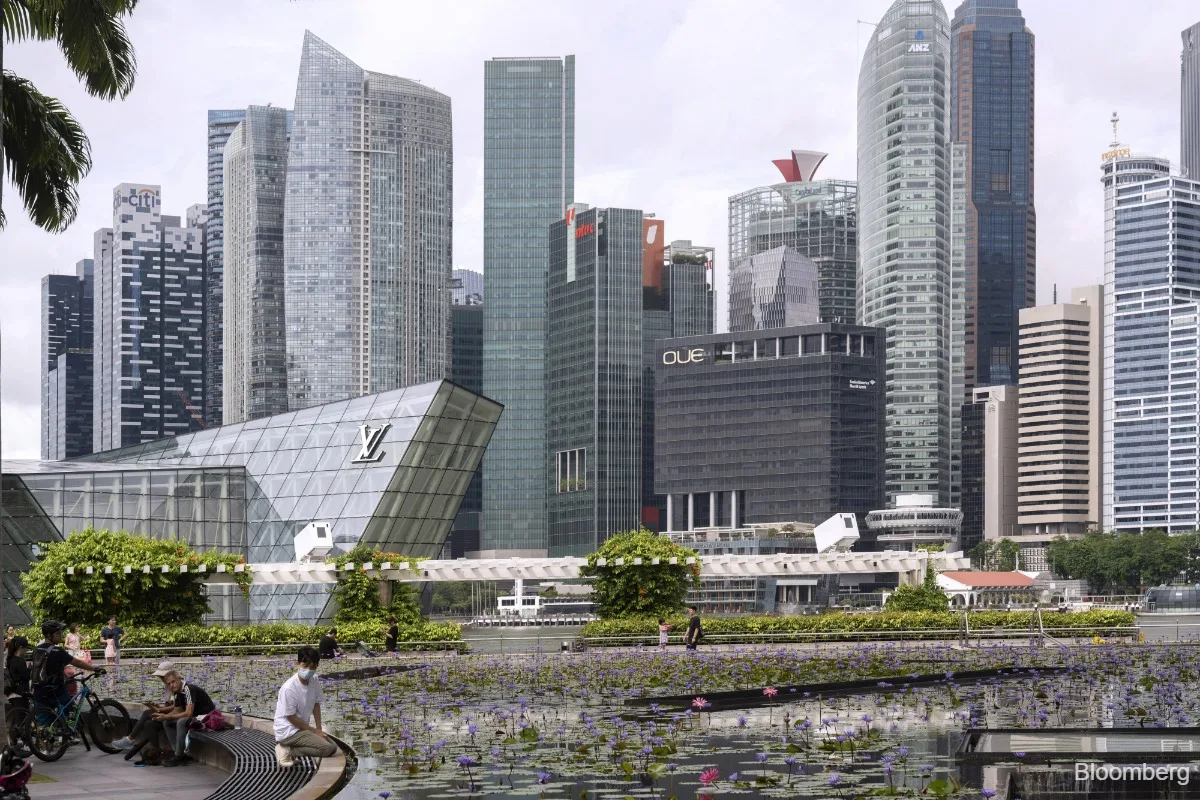
Singapore ranked first for luxury spending costs for the fourth consecutive year in the Julius Baer Group 2026 Lifestyle Index released on July 7, 2026. The city-state’s top position is largely due to steep prices for residential property and cars, which carry the greatest weight in the index calculations [1, 2, 3, 4, 5, 6, 7, 8].
The index tracks prices of 20 luxury goods and services—including real estate, automobiles, business class flights, private education, and premium dining—across 25 global cities. The 2026 survey interviewed 360 high-net-worth individuals with assets above US$1 million from February to March 2026 [1, 2, 3, 4, 5, 6, 7, 8].
A strong Singapore dollar against the US dollar also contributed to the city’s high ranking by increasing costs on a USD basis. However, local prices in Singapore have not risen significantly this year; the apparent cost increase in USD terms mainly reflects currency effects. Residents earning and spending in SGD see only minimal cost pressure, while expatriates face stronger impacts due to exchange rates [2, 6, 7].
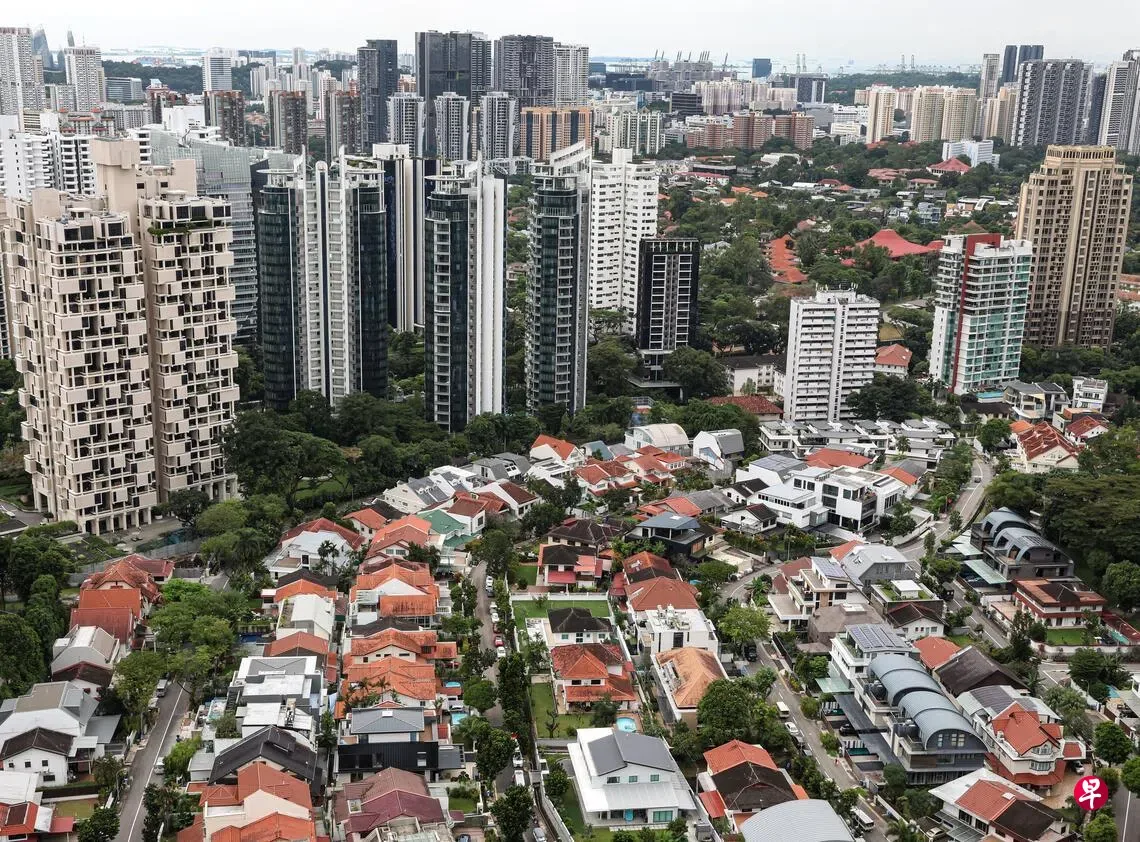
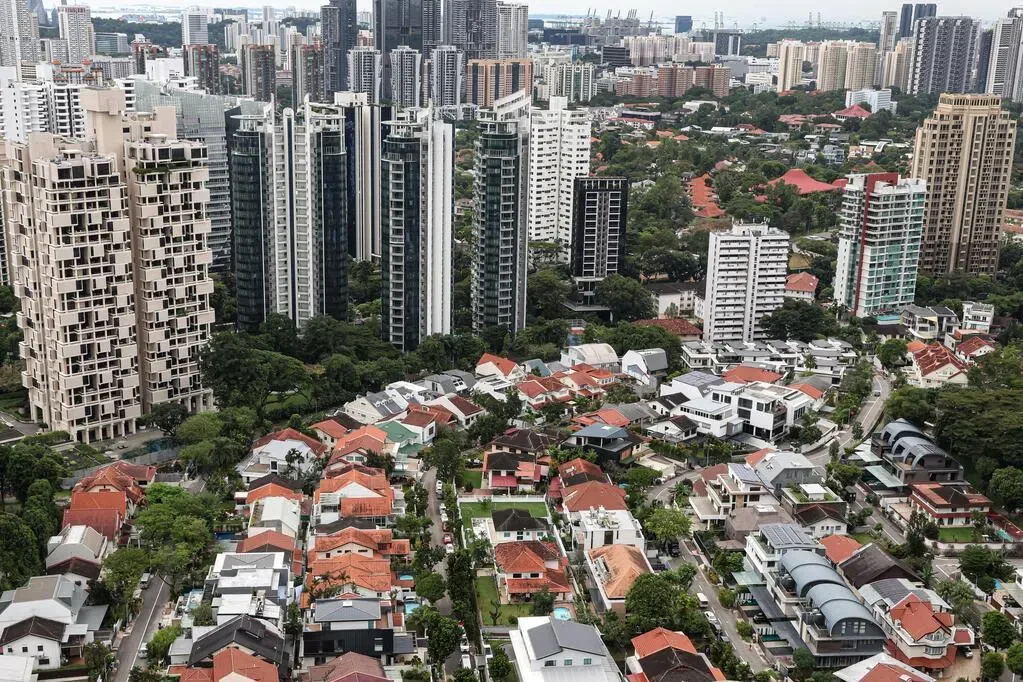
Singapore remains the priciest city globally to buy a car and ranks third in residential property costs. It also shares top global ranking with Hong Kong for MBA tuition costs, making Asia Pacific the most expensive region for this education sector. Conversely, Singapore’s healthcare costs fell sharply from third place in 2025 to 23rd in 2026 [8].
Zurich climbed three places to second, overtaking London, supported by the Swiss franc’s strength and the city’s stability as a wealth hub. Monaco entered the top three for the first time since 2020, ranking third. Hong Kong and London were fourth and fifth, with Hong Kong falling from second last year [1, 2, 3, 4, 5, 6, 7, 8]. Sydney rose six places to eighth, aided by a stronger Australian dollar and import costs. Dubai dropped to 14th, a reflection of other cities’ rising costs rather than Dubai becoming cheaper. No American cities are in the top ten for the first time in three years, mainly due to the US dollar’s depreciation [5].
Global luxury spending costs increased by an average 10.2% in USD over the past year, driven by surges in jewelry (+16.4%) and watches (+15.5%) [1, 5]. The Asia-Pacific region remains the world’s fastest-growing wealth center, with five of the top ten most expensive luxury cities located there: Singapore, Hong Kong, Shanghai, Sydney, and Bangkok. Wealthy consumers in Asia-Pacific are increasingly spending on hotel suites, fine dining, healthcare, business class travel, and smartphones [2, 6, 7].
Christian Gattiker, Head of Research at Julius Baer, said, "What is clear in 2026 is that the world continues to be a complicated place, and uncertainty remains at a very high level. In this environment, stable cities and countries become even more attractive" [1]. Yee Kim Tan, Julius Baer Singapore branch manager, described Singapore as a “natural choice” for wealthy individuals deciding on asset allocation, seeing it as part of a broader regional strategy alongside Europe and the Americas [8].
Political stability, strong rule of law, a resilient economy, and excellent connectivity continue to enhance Singapore’s appeal as a wealth management and residence hub for high-net-worth individuals [2, 6, 7, 8].
The 2026 report underscores the growing prominence of Asia’s wealth hubs, with Hong Kong surpassing Switzerland as the largest cross-border wealth center globally, linked closely with Singapore as Asia’s core wealth network [6, 7].
The Julius Baer Group plans to continue monitoring luxury spending trends in key cities as global economic conditions evolve.