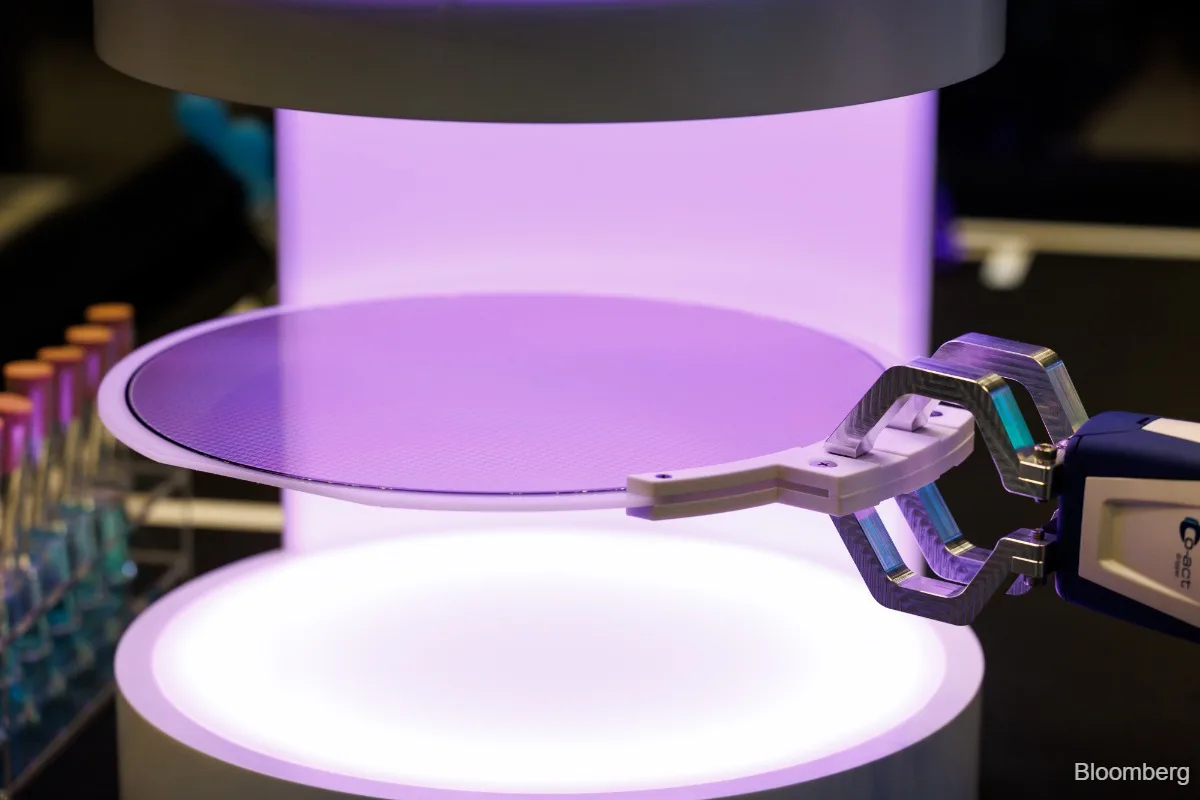
South Korean memory chip maker SK Hynix announced it aims to double its wafer capacity over the next five years to tackle a global shortage driven by rising artificial intelligence demand [1, 2, 3, 4].
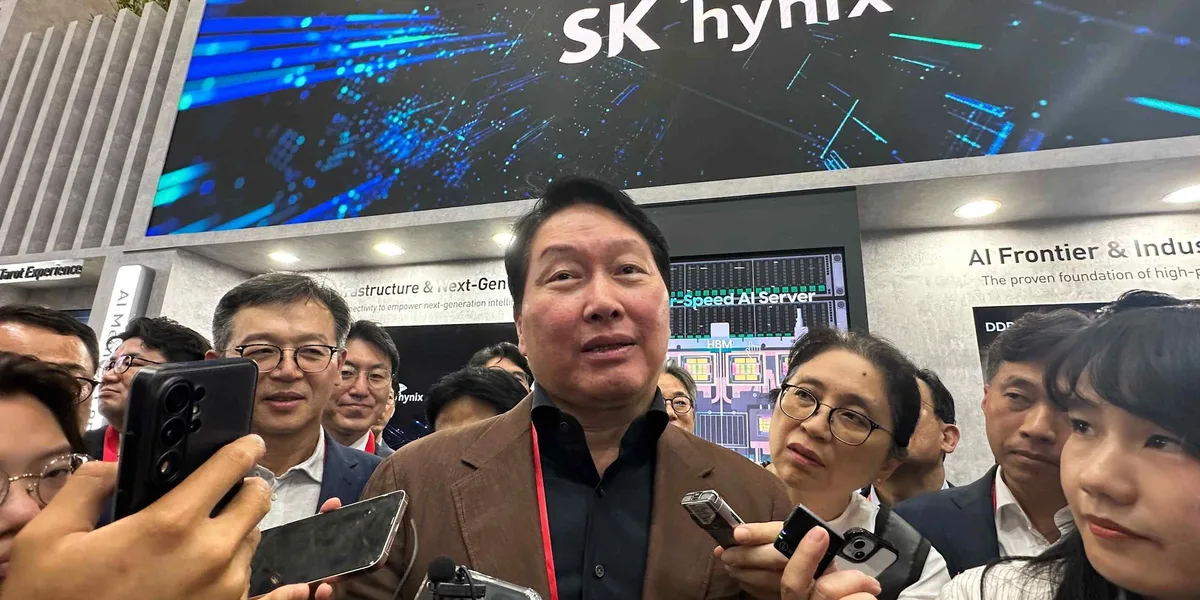
Chairman Chey Tae-won said the supply crunch could persist until 2030, pledging, "Whatever we need, we will provide it. Until 2030, there’s still some shortage." He added, "We will do whatever it takes to fund the expansion" [3, 4].
Memory chips, especially high-bandwidth memory (HBM) as well as traditional DRAM and NAND flash, are currently a major bottleneck in AI development. Demand for these components is rapidly increasing as AI workloads become more complex and resource-intensive [2, 3, 4].
SK Hynix is one of the top global memory producers alongside Samsung Electronics and Micron Technology, with recent valuations boosted above US$1 trillion by projected spending from AI hyperscalers such as Meta Platforms [2, 3, 4]. SK Hynix’s market value crossed the US$1 trillion mark for the first time last week [2, 3, 5, 4].
The company plans a significant rise in capital expenditure for 2026, up from 30.2 trillion won in 2025, to support the capacity expansion [3, 4]. However, building new wafer fabrication sites or greenfield projects can take over five years from inception [3, 4].
SK Hynix also confidentially filed to list shares in the US this year, planning to issue American Depositary Receipts (ADRs) potentially raising up to US$14 billion. This move aims to broaden the investor base, as some US institutional investors only invest in US-listed stocks [5].
Looking ahead, the company expects favorable pricing for its HBM chips to continue into 2027, with tight supply predicted for low-power DDR (LPDDR) memory from 2027 onwards, driven by demand from Nvidia [5].
The expansion to double wafer capacity is targeted for completion around 2031, aligning with the anticipated duration of the AI-driven memory chip shortage which SK Hynix leadership has vowed to address with full resource commitment [1, 3, 4].