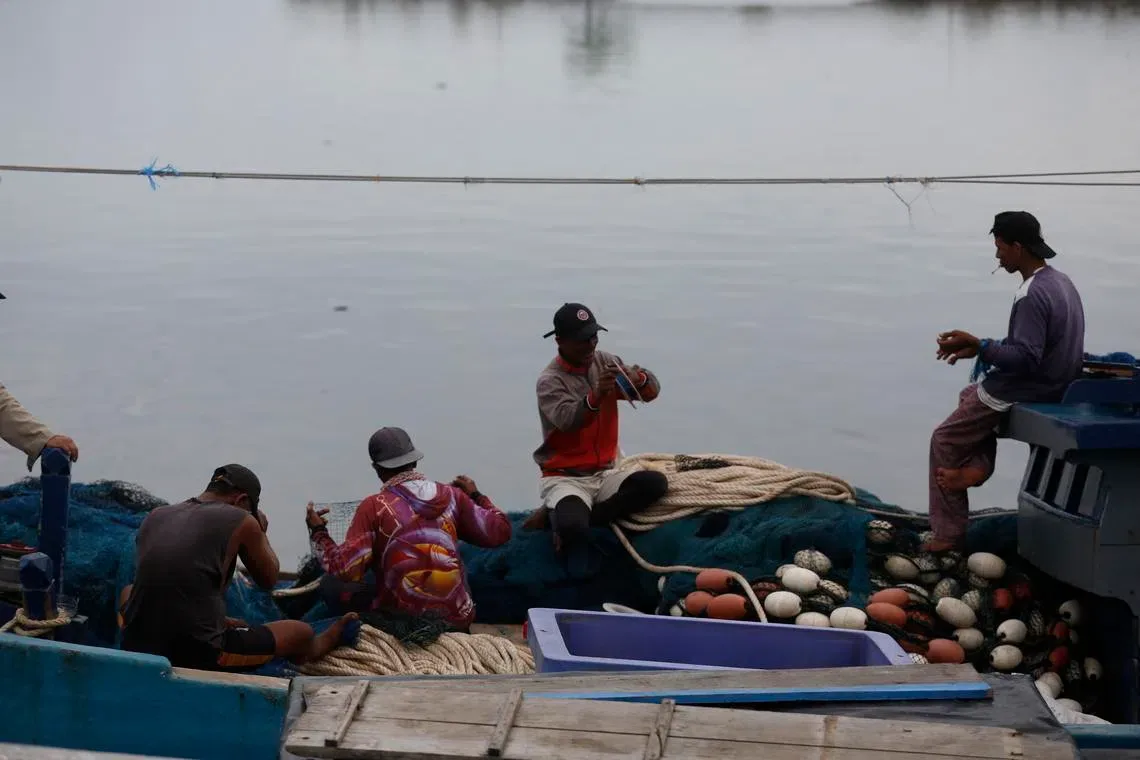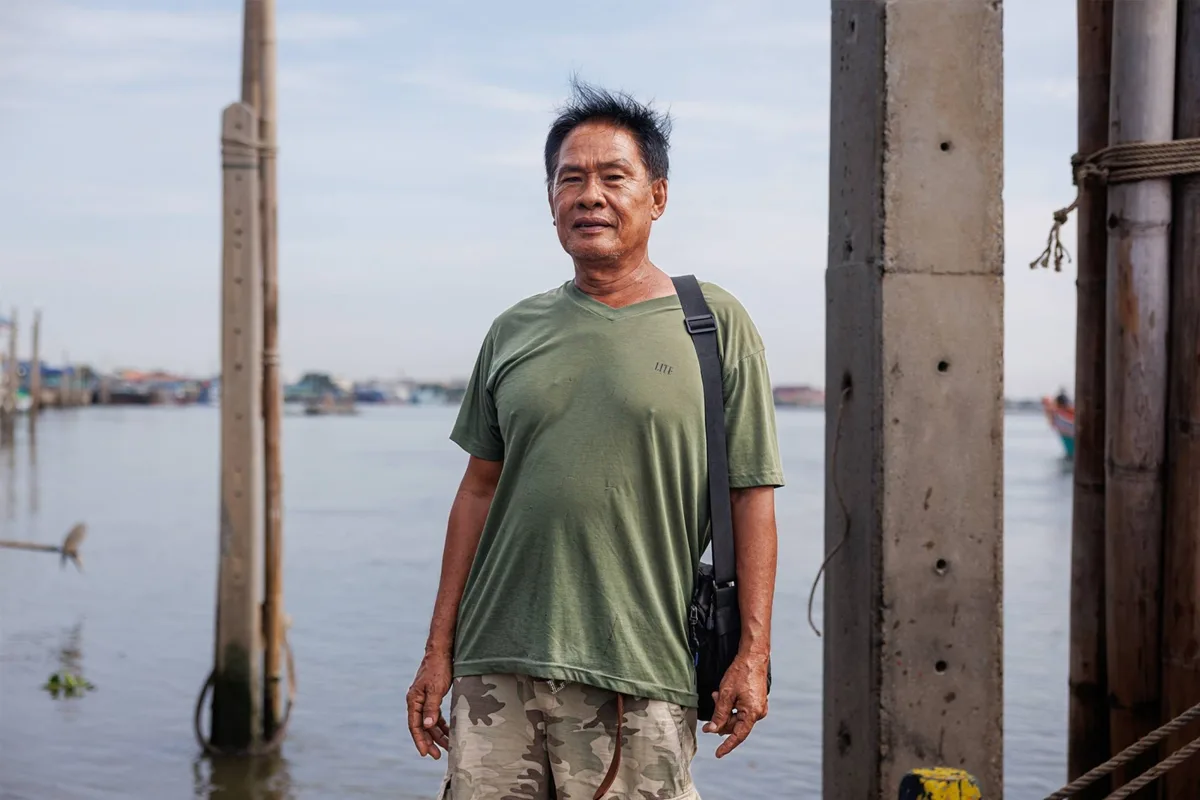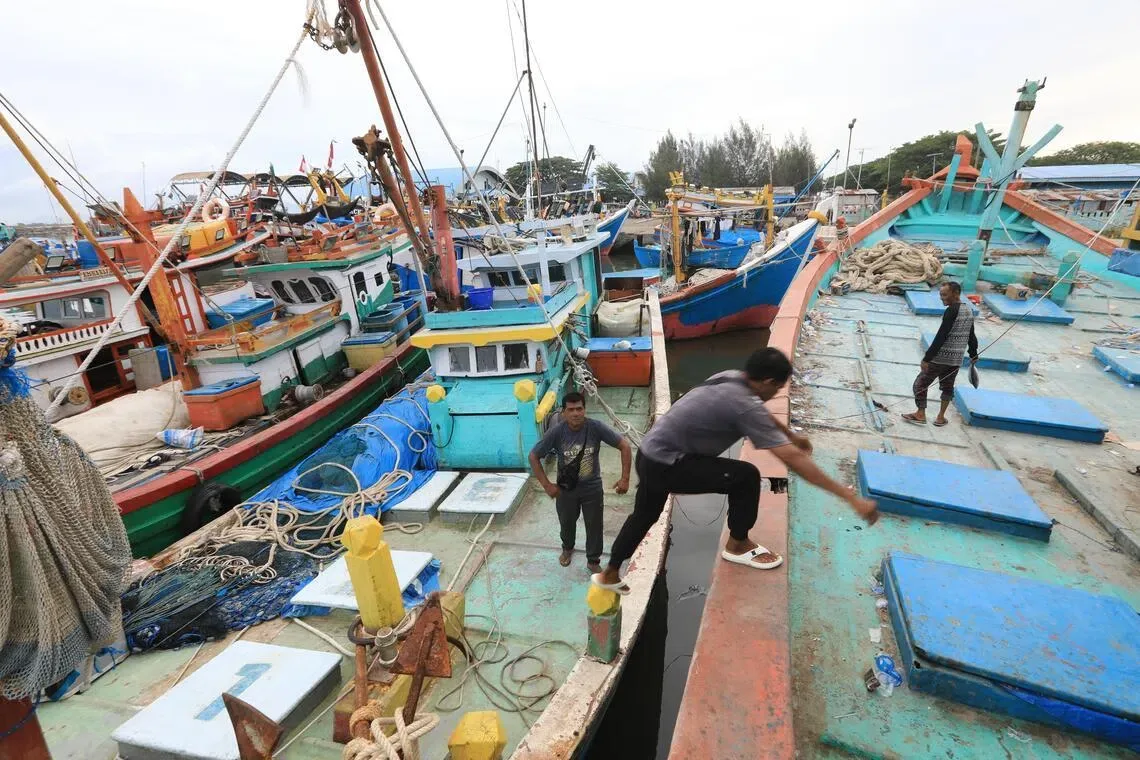
Thai fisherman Bunyut Chaosamut resumed fishing in the Gulf of Thailand in June after keeping his boat anchored for two months because of high fuel prices driven by the war in the Middle East and a blockade at the Strait of Hormuz [1, 2, 3, 4]. Fuel costs now account for over half the expenses of each trip, compared to the normal 15% to 30% range typical for wild capture fisheries in the region [1, 2, 3, 4].
Bunyut’s crew includes 10 men, six from Myanmar and four from Thailand. They target species such as herring, sardines, and mackerel [1, 2, 3, 4]. Bunyut told reporters, “I couldn’t keep my boat docked any longer, my hands are tied. I’ve been doing this for 40 years and it just keeps getting worse. We are sea people; we can’t just quit and start growing rice or planting rubber trees” [1].
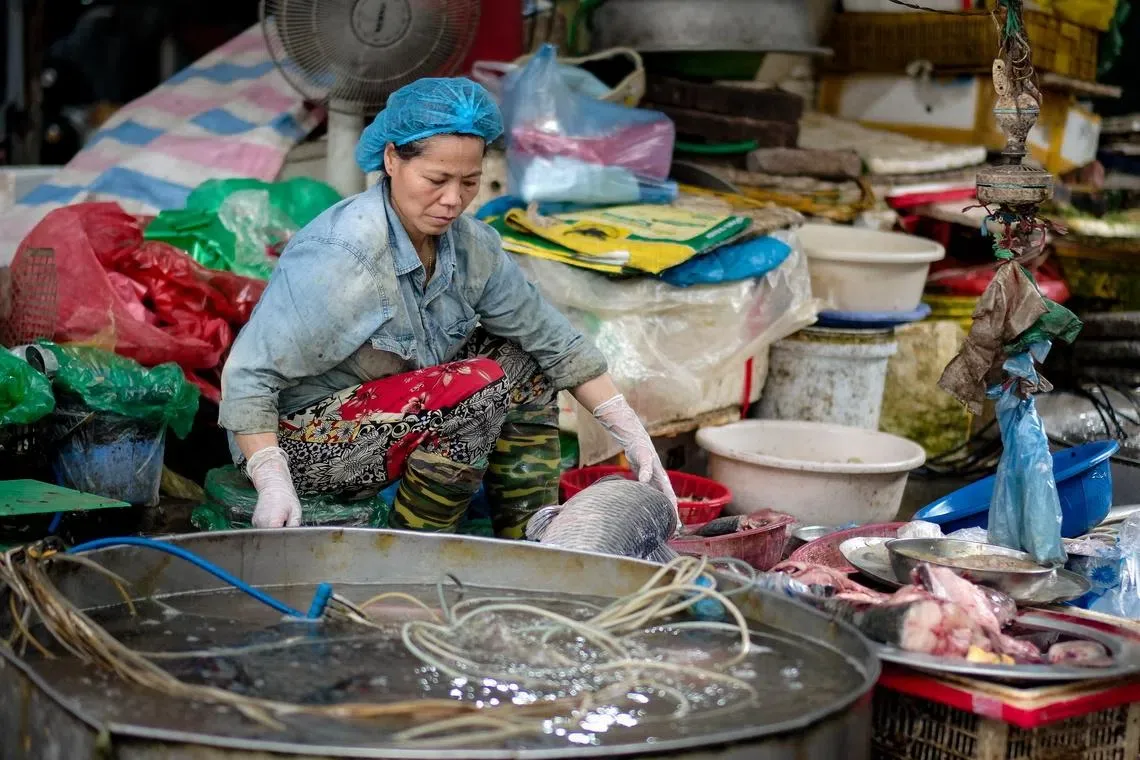
The conflict in the Middle East has disrupted fuel supply and driven prices up across South-east Asia, hitting fishermen and seafood supply chains hard [1, 2, 3, 4]. Rising feed costs have also increased prices for farmed seafood, affecting restaurants and supermarkets worldwide [1, 2, 3].
Aquaculture is particularly vulnerable, especially the shrimp sector in South-east Asia that relies on diesel-powered aeration systems. Seafood analyst Novel Sharma of Rabobank said, "The war is affecting seafood through higher energy, freight and supply chain costs. Aquaculture is also at risk, particularly South-east Asia’s shrimp sector, where intensive farming depends on diesel-powered aeration systems" [1].
Fishermen in the region deal with multiple challenges including US tariff policies, changing weather patterns, overfishing, and territorial disputes in the South China Sea [1, 2, 3]. Governments have responded by cutting import taxes, offering handouts, and capping fuel prices to support the fishing industry [1, 2, 3].
After his two-month break from fishing between April and June 2026, Bunyut resumed operations despite high costs, reflecting the pressing need to earn income even under difficult conditions [1, 2, 3, 4].