South Korean stocks fell sharply in early July 2026, with the Kospi index dropping over 6.7% on July 7 and falling more than 20% from its June 22 record high, officially entering bear market territory [1, 2, 3, 4, 5]. Samsung Electronics shares declined about 7-8% despite reporting quarterly profits that surged 18-19 fold year-on-year for the April-June quarter, with operating profits reaching 86 trillion won (approximately US$56.35 billion) [6, 1, 7, 3, 4, 5].
SK Hynix shares slid 4-8% amid investor concerns about valuations of AI-related chips and ahead of its planned US listing expected to raise around US$28-29 billion [8, 1, 7, 3, 4, 5]. The broader MSCI Asia Pacific Index lost between 0.4% and 1.2% during the same period, mainly weighed down by technology and semiconductor stocks [9, 10, 7, 3, 4].
The sharp sell-off followed a brief rise in South Korean stocks on July 6, spurred by optimism about an AI-driven earnings season and Opec+ agreeing to modest oil output increases totaling about 188,000 barrels per day from August, which pushed Brent crude prices down to near four-month lows around US$71.65-71.70 per barrel [6, 8, 11, 9, 10]. Lower oil prices helped lift other Asian markets such as the Philippine stock market and Singapore's Straits Times Index, which hit record highs [6, 8, 1, 2].
Market concerns center on whether the AI-driven chip boom can sustain earnings growth amid rising valuations and intensifying competition. "Investors are concerned about whether top-tier memory chip makers in South Korea and Taiwan, which have allocated the majority of their resources to AI chips, could increase output of their conventional products," said Perris Lee, head of equity capital markets for Asia Pacific at Mergermarket [1]. Research strategist Dilin Wu of Pepperstone noted, "In a market running at peak concentration and peak optimism, you don't need a fundamental shift to trigger a sharp correction, you just need a reason to reduce" [8].
Tech investors appeared to rotate away from AI chip stocks toward other megacaps like Amazon, Alphabet, Meta, Apple, and Salesforce. CNBC host Jim Cramer said, "The results were superb but not superb enough, raising new questions about demand for its products, particularly memory chips" [5, 12]. KCM Trade chief analyst Tim Waterer added, "The market is in the process of levelling the valuation playing field. After semiconductors stole the show for months, investors are now spreading their bets into other areas offering better value" [4].
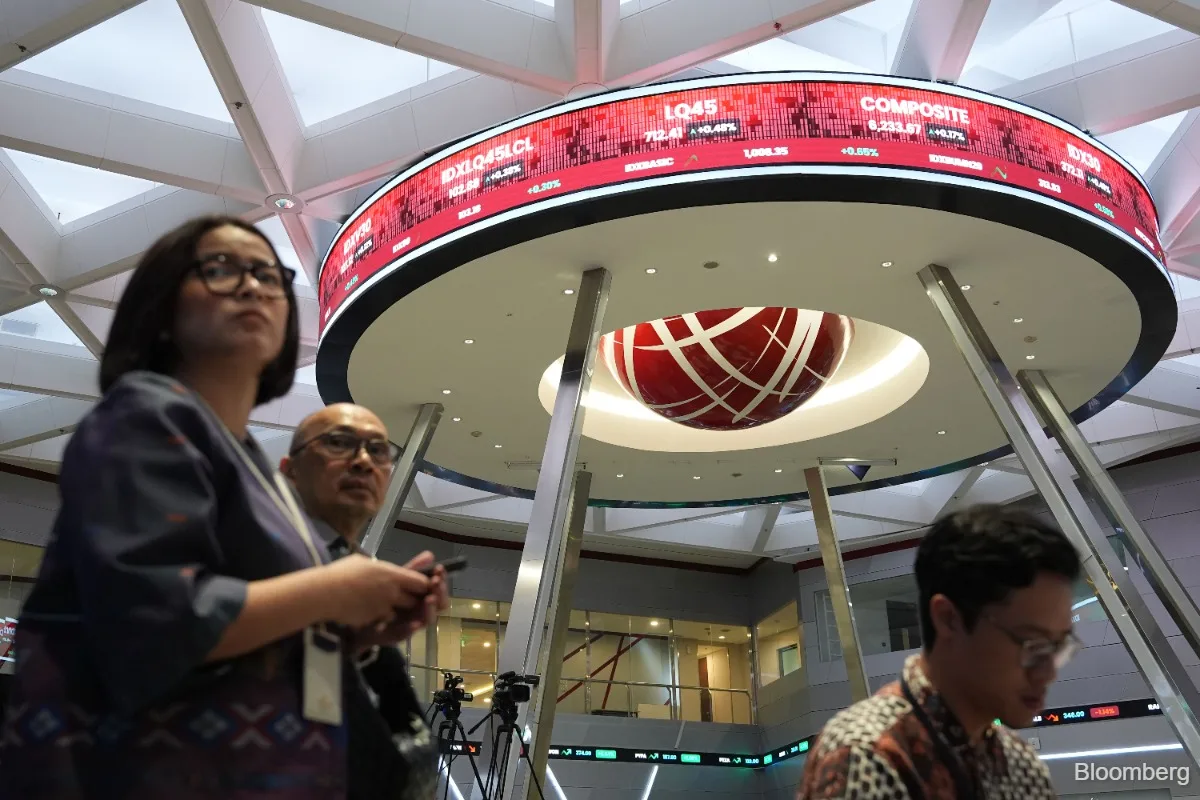
Additional market pressure came from Indonesia’s stock market, which fell 1.5% following a warning by S&P Dow Jones of a possible downgrade to frontier status due to transparency concerns [2]. South Korea launched a 24-hour onshore spot dollar-won trading system as part of a campaign for MSCI developed-market status [8].
After the initial plunge on July 7, South Korean stocks extended losses on July 8 amid ongoing uncertainty over AI chip demand and earnings sustainability [2].