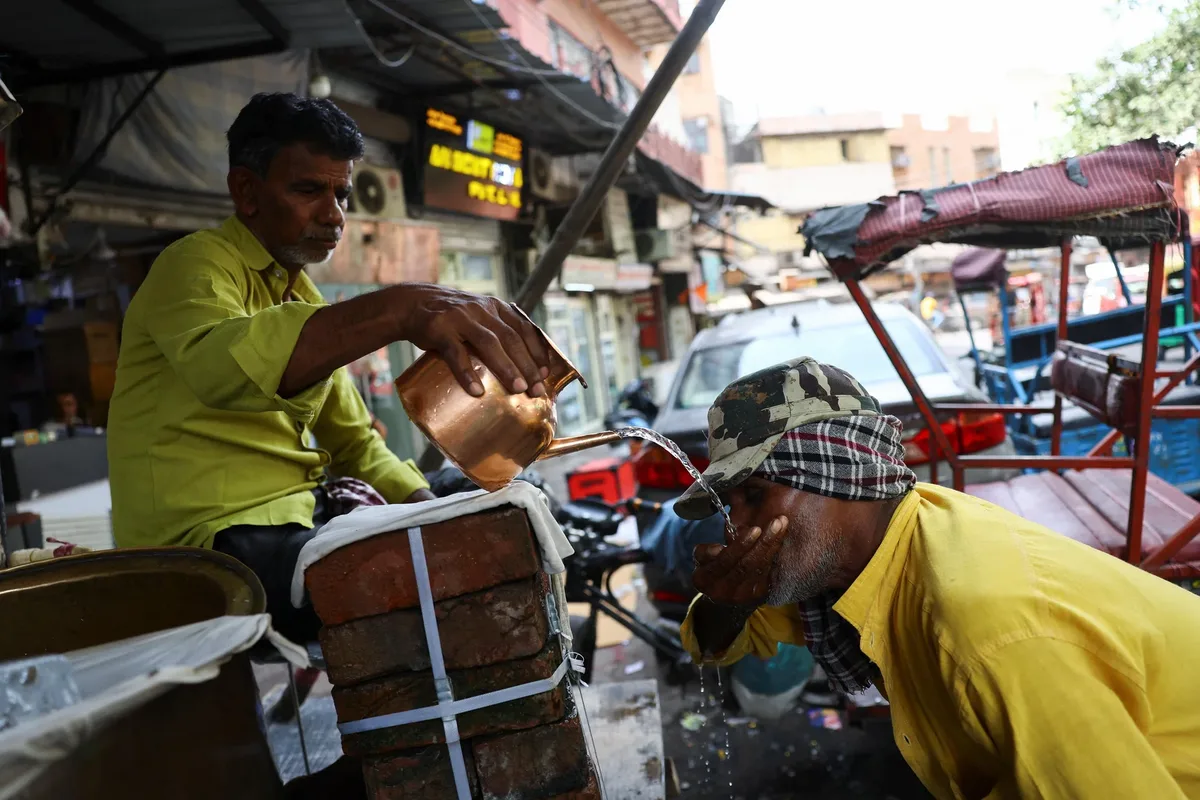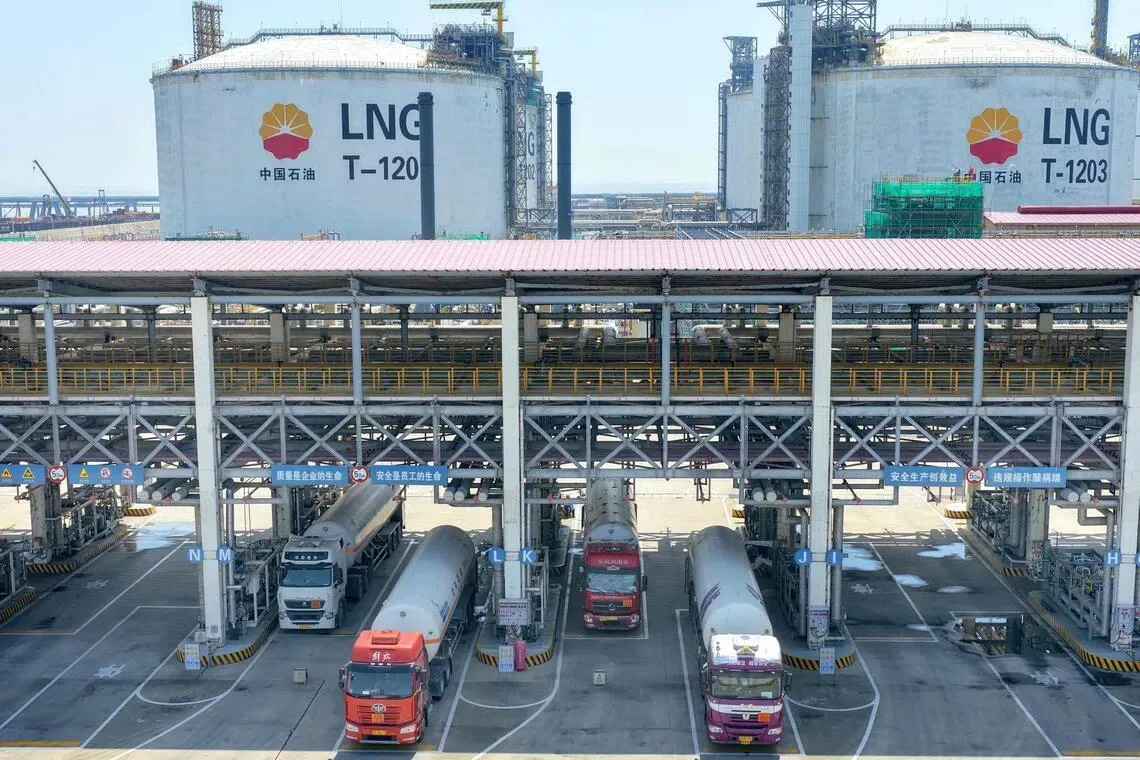
The Strait of Hormuz, a critical chokepoint for energy shipments, has been nearly closed for almost three months, cutting about 20% of global liquefied natural gas (LNG) supply, sources said [1, 2]. This disruption comes as summer forecasts predict hotter-than-normal temperatures across Asia, with the potential emergence of El Nino between June and August likely to exacerbate heat conditions [1, 2]. El Nino warms the equatorial Pacific sea surfaces and tends to suppress rainfall over India and much of maritime Southeast Asia in summer. It also raises the likelihood of drought and extreme heat in northern China while bringing wetter autumn and winter conditions to central and southern China [1, 2].
The rising temperatures are expected to drive high use of air-conditioning, placing extra strain on power grids already stressed by increased energy prices [1, 2]. China, the world’s largest LNG importer, stands out as a key risk factor. Higher heat could trigger stronger demand for LNG to fuel power generation and cooling, intensifying competition for scarce supplies [1, 2]. Although the conflict in the Middle East significantly reduced LNG volumes, extreme price spikes did not occur during March and April due to relatively weaker Chinese LNG imports during that period [1, 2].
However, signs of a rebound in China's LNG purchases have recently emerged, fueling concern over fiercer global competition. Meanwhile, Europe, which previously absorbed large LNG supplies to compensate for the loss of Russian pipeline gas, is seeing LNG deliveries drop more than 10% from a year ago based on recent ship tracking data [1, 2]. Several US LNG shipments initially slated for Europe have been diverted to Asia in the last two weeks, reflecting a shift towards buyers willing to pay higher prices [1, 2].
Energy analyst Saul Kavonic of MST Marquee said, "The full impact of the Strait of Hormuz closure has not yet been felt because we have been in the soft shoulder season for demand. LNG prices could rise a further 50 per cent till August if the Strait remains largely closed" [2]. This underscores the potential for further price increases as the peak summer cooling season intensifies.
The persistence of the Strait of Hormuz closure and the development of El Nino-driven heat waves set a critical timeline for global LNG markets. Monitoring LNG supply routes, Chinese demand recovery, and the weather pattern through August will be key to understanding near-term price dynamics [1, 2].