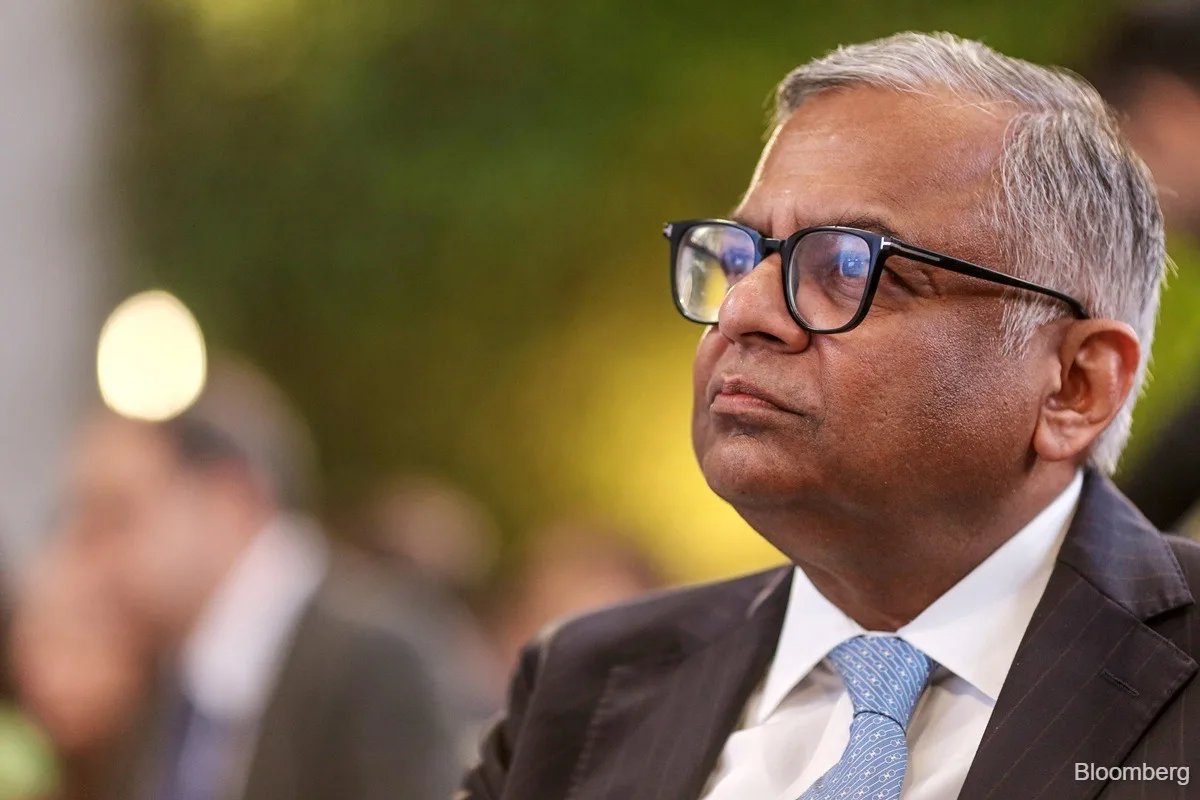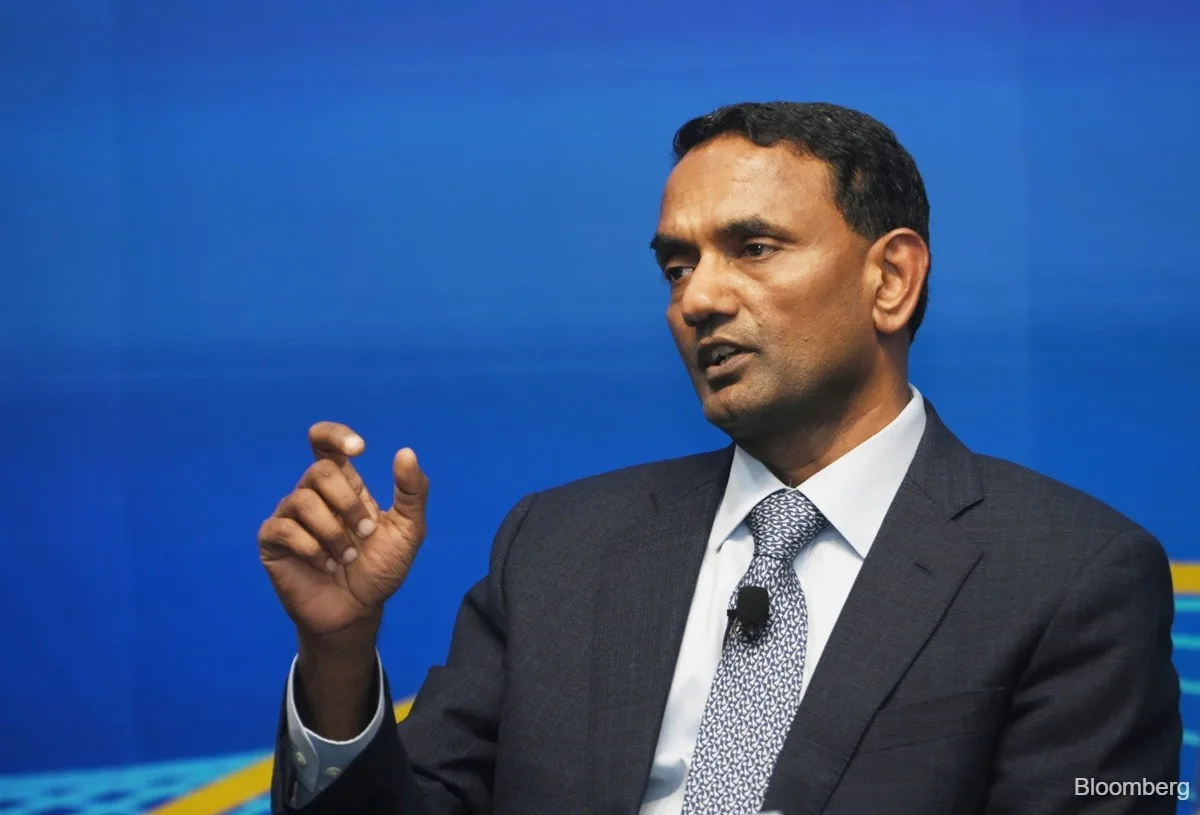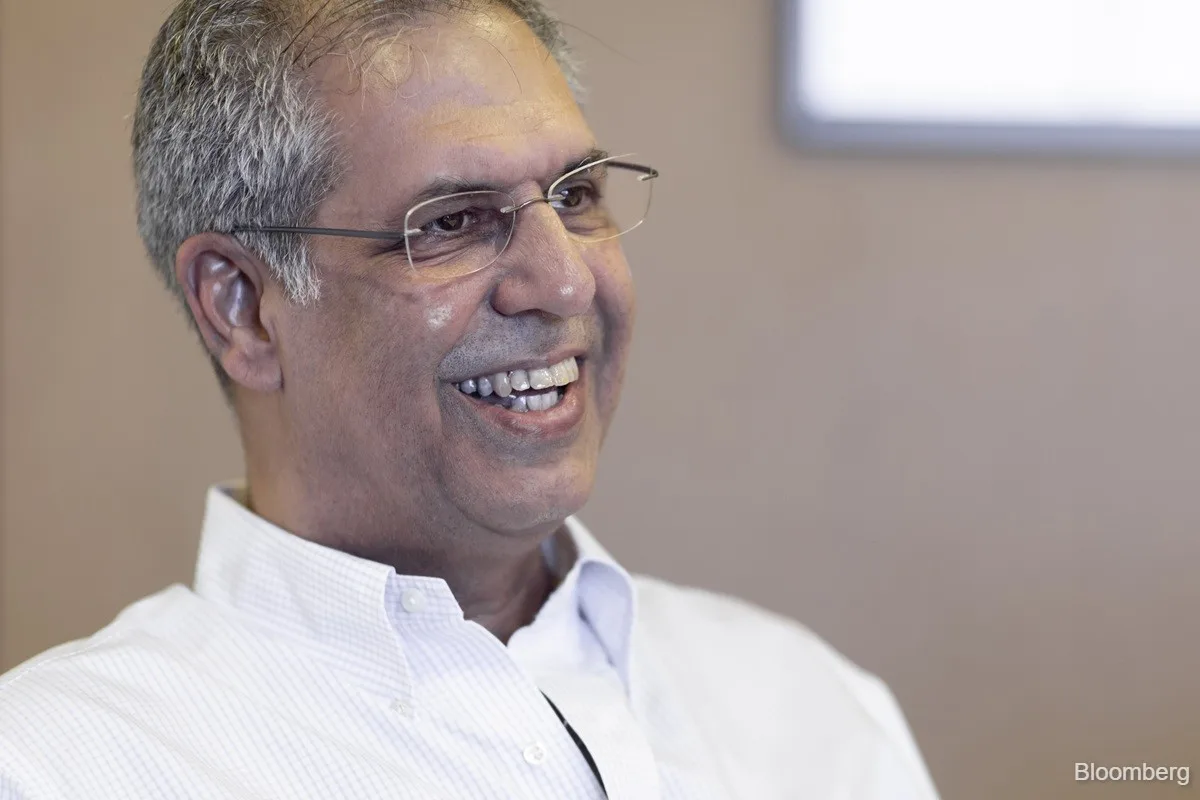
Natarajan Chandrasekaran, chairman of Tata Sons, said he will step down in February 2026 after nearly a decade leading the conglomerate [1, 2, 3, 4, 5, 6]. Chandrasekaran, the first non-family chairman handpicked by former chairman Ratan Tata, has overseen a period of major expansion for the group [5, 6].
Under Chandrasekaran’s leadership, Tata Sons unveiled plans for a $120 billion investment program over five years targeting semiconductors, electric vehicle batteries, AI data centers, and manufacturing growth [1, 3, 4, 5]. The group includes marquee companies like Jaguar Land Rover, Air India, Tata Motors, Tata Steel, and Tata Consultancy Services, plus new ventures such as India’s first semiconductor plant and iPhone manufacturing units [1, 5, 6].
Chandrasekaran’s resignation casts uncertainty on the continuation and pace of this ambitious reinvestment plan [1, 3, 4, 5, 6]. Kranthi Bathini, equity strategist at WealthMills Securities, said, "The ball is now firmly in Noel Tata’s court. Replacing a technocrat of Chandrasekaran’s calibre... will be a formidable challenge" [1].
Noel Tata, chairman of Tata Trusts which holds roughly 66% of Tata Sons, is positioned to manage the leadership transition [1, 2, 3, 4, 6]. However, there is an internal rift between Chandrasekaran and Noel Tata over capital allocation strategy. Noel Tata advocates for more measured, quicker-return investments, contrasting with Chandrasekaran’s focus on large-scale, long-term tech projects [1, 3, 4, 5]. Noel Tata assumed chairmanship of Tata Trusts in October 2024 after Ratan Tata’s death [6].
Tata Sons reported standalone assets of approximately ₹1.75 trillion (~$23 billion) as of March 2025, with the broader Tata Group generating $170 billion in revenue for the 12 months ending March 2026 [2, 6]. Another major shareholder, the Shapoorji Pallonji Group, controls about 18.4% of Tata Sons [2, 6].
While Tata Sons remains unlisted, it faces growing pressure from shareholders and Indian regulatory requirements to list publicly, though this issue has received less emphasis compared to leadership and investment challenges [1, 2, 3, 4, 5, 6].
The Sir Dorabji Tata Trust expressed support for Chandrasekaran’s decision and the company’s orderly transition process [5].
Chandrasekaran’s departure sets the stage for a key leadership change at Tata Sons in February 2026 as the conglomerate confronts decisions on its $120 billion growth and investment agenda.