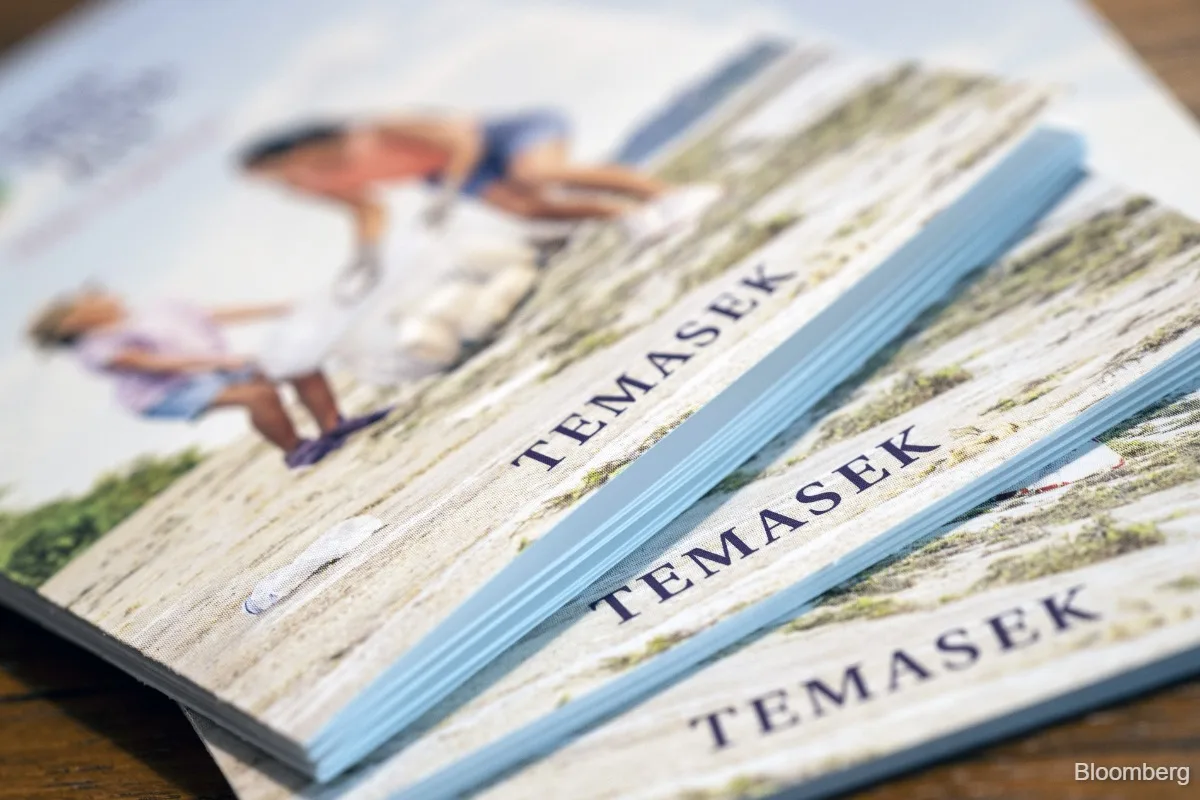
Temasek Holdings will likely miss its 2030 interim target to cut net carbon emissions by half from 2010 levels, CEO Dilhan Pillay said at Ecosperity Week 2026 on May 18 in Singapore [1, 2, 3, 4, 5, 6].
The 2030 goal aims to reduce portfolio emissions from a baseline of about 21-22 million tonnes CO2 equivalent in 2010 to roughly 11 million tonnes. However, as of March 31, 2025, Temasek’s portfolio emissions remained near 21 million tonnes, showing almost no decline over 15 years [1, 3, 4, 5, 6].
Pillay cited global geopolitical tensions, including recent Gulf disruptions, rising energy demand, and structural challenges in sectors like aviation and power generation. "Fossil fuels remain entrenched in hard-to-abate sectors such as steel, cement, power, aviation, shipping. And global energy demand continues to rise," he said [1, 2, 3, 4, 5, 6].
Temasek’s portfolio carbon intensity—emissions per dollar invested—has fallen by about 52% since 2010, indicating improved emissions efficiency. Yet sectors like aviation remain a large hurdle. More than 80% of the portfolio’s emissions come from five companies: Singapore Airlines (SIA), Sembcorp Industries, Olam Group, PSA International, and ST Telemedia [3, 4, 5, 6].
Singapore Airlines alone accounts for 43% of total emissions, with Temasek holding a 53% stake [3, 4, 5]. Sembcorp accounts for another 22% [3, 4, 5]. Pillay noted the difficulty of replacing carbon-intensive jet fuel given limited current technology, describing the energy transition as "far more uneven, contested and non-linear than previously anticipated [6]."
He also pointed to the rise of artificial intelligence and emerging technologies, which have boosted energy demand and added complexity to reducing emissions in the near term [2, 3, 4, 5, 6]. "AI is reshaping economies and, in time, societies at extraordinary speeds. But in the near term it adds further complexity to an already difficult transition," Pillay said [2].
Despite the expected shortfall in 2030, Pillay reaffirmed Temasek’s commitment to its long-term net zero goal by 2050 [1, 2, 3, 4, 5, 6]. He said the 2030 target remains "an important directional marker, befitting of our ambition." The firm does not plan to revise or lower the interim target [1, 3, 4, 5, 6].
"We will continue to press forward on every available lever, but our pace must reflect today's realities," Pillay added [1].
Temasek's baseline portfolio emissions were set at about 21-22 million tonnes CO2 equivalent in 2010, with the company setting its 2030 and 2050 targets in 2019 [1, 3, 5, 6]. The next major milestone will be the ongoing assessment of emissions progress ahead of 2030.