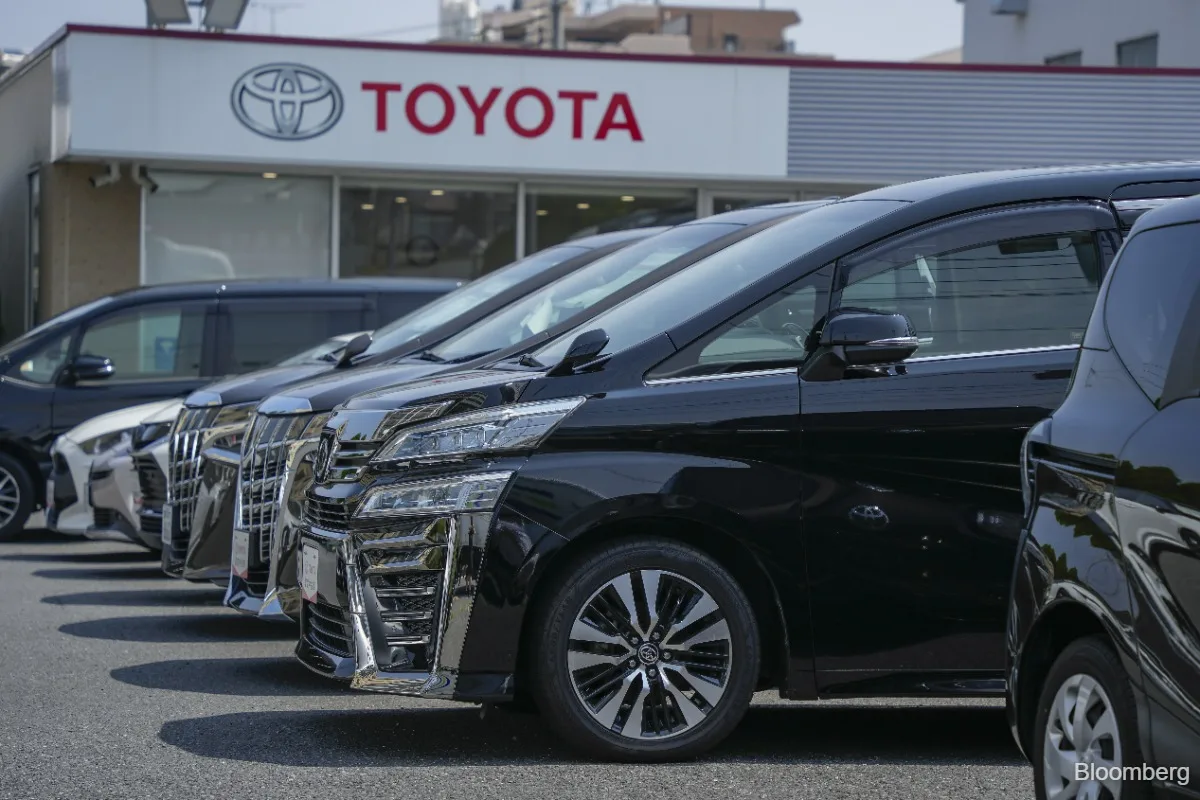
Toyota Motor Corp revealed a ¥1 trillion (about US$6.3 billion) share buyback program on August 4, 2026, alongside a raised operating profit outlook of ¥3.4 trillion for the fiscal year ending March 2027 [1, 2, 3, 4]. The company also increased its sales forecast to ¥54 trillion from a previous estimate of ¥51 trillion [1, 2, 3].
Toyota reported an operating profit of ¥1.1 trillion and sales of ¥13.5 trillion for the quarter ended June 2026, despite global sales declining for the fifth consecutive month due to regional conflicts and strong competition [1, 2, 3]. The company’s quarterly profit has fallen year-on-year for five straight months through June 2026 [1, 2, 3].
In May 2026, Toyota warned investors of an unexpected profit drop caused by supply disruptions linked to the Iran conflict, estimating a hit of ¥670 billion [1, 2, 3]. Despite these challenges, the firm has benefited from a weaker yen in the first half of 2026, which helped offset rising raw material costs, tariffs, and supply chain issues [1, 2, 4]. Strong demand for gas-electric hybrid vehicles in the U.S., a segment Toyota pioneered, has also supported its performance [1, 2, 3, 4].
However, Toyota’s largest suppliers continue to face rising costs, logistics bottlenecks, and shortages of materials including aluminum and resins [1, 3]. The company’s global sales slide in June marked the fifth straight month of declines, attributed to ongoing regional conflicts and industry competition [1, 3].
Takanori Azuma, Toyota’s Chief Accounting Officer, said the profit outlook revision “reflects changes in the external environment, including foreign exchange assumptions” [2]. Analysts had projected an average profit of ¥3.9 trillion for the fiscal year, higher than Toyota’s new forecast [1, 2, 3, 4].
The share buyback announced on August 4 targets an aggressive return of capital, signaling confidence despite the recent profit headwinds [1, 3, 4]. Toyota is expected to report its next quarterly earnings update during the fiscal year ending March 2027.