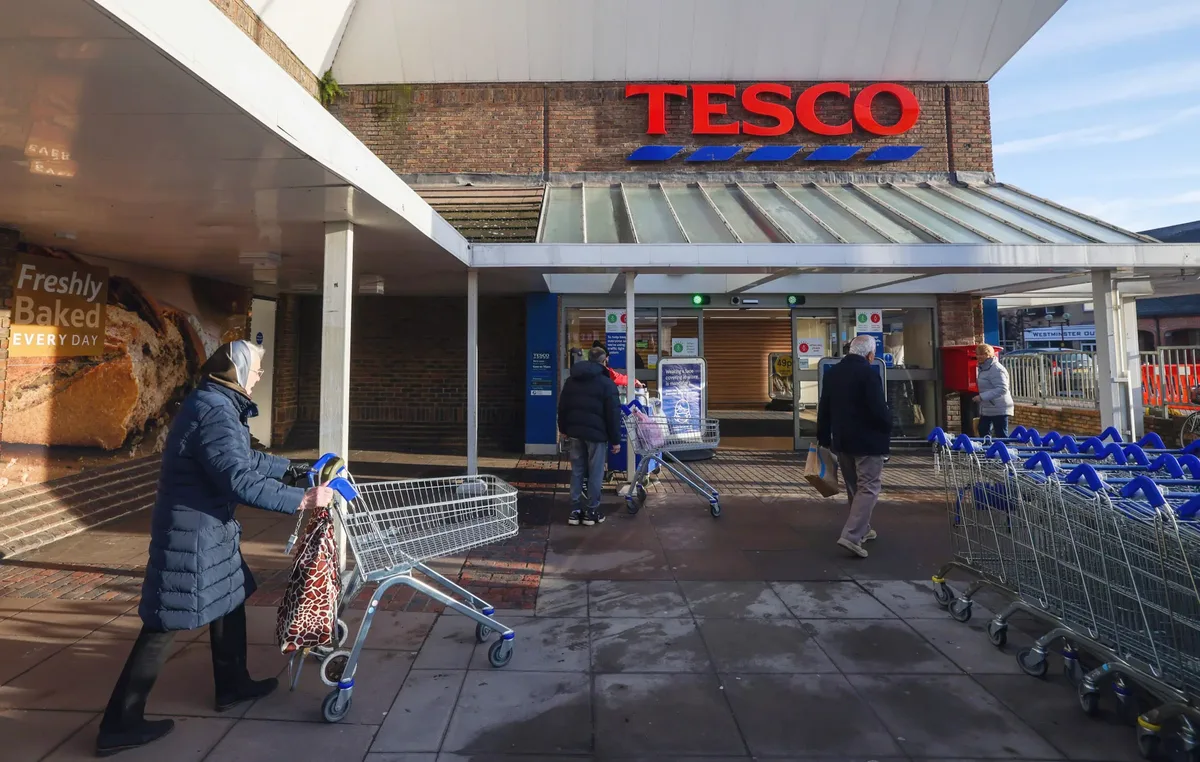
Britain’s largest retailers cut nearly 18,000 jobs in the past year, driven by increased tax and wage costs, industry data shows [1, 2, 3, 4]. Tesco Plc, the UK’s biggest grocer, accounted for nearly 5,000 of these reductions across the UK and Ireland in its latest financial year [1, 2, 3, 4].
J Sainsbury Plc, John Lewis Partnership Plc, and Kingfisher Plc each recorded average employee headcount declines of roughly 3,000 over the same period [2, 3, 4]. Next Plc and JD Sports Fashion Plc also cut about 1,500 jobs each [2, 3, 4]. Marks & Spencer Plc’s workforce remained mostly steady, though its chairman Archie Norman called the current tax and regulatory environment "adverse to growth and investment," noting a sharp increase in tax burdens this year [2, 3, 4].
The Labour government raised national insurance contributions and the minimum wage in April 2025, factors cited by retail leaders as key drivers behind job cuts and cautious hiring [1, 2, 3, 4]. Helen Dickinson, CEO of the British Retail Consortium, said, "Retailers are facing significant cost pressures from higher national insurance contributions, rising wage bills and continued global instability. That pushes up costs across supply chains, leaving many businesses more cautious about hiring" [2]. CEO of B&M European Value Retail, Tjeerd Jegen, added, "Due to government policies causing rising employment costs, we plan to reduce job numbers" [3].
Industry warnings focused on the impact of these cost increases on hiring young and part-time workers. More than one million UK youths aged 16 to 24 were not in employment, education, or training in Q1 2026, the highest level since 2013 [2, 4]. The government has introduced a £2.5 billion youth employment support package to address this issue [2, 4]. A Treasury spokesperson defended the tax rises, saying, "The government has the right economic plan to stabilise the economy and deliver support for families and businesses. Increasing the minimum wage boosts pay for more than 200,000 young workers" [2].
Tesco’s job cuts were finalized in the financial year that ended early 2026, following the government’s April 2025 tax and wage increases [1, 2, 3, 4]. Retailers across the sector continue to adjust their staffing levels as new economic pressures take effect.