US nonfarm payrolls rose by 162,000 jobs in August 2026, surpassing expectations, while the unemployment rate held steady at 4.1%, official data showed today [1, 2, 3]. The strong labor market report pushed US Treasury yields sharply higher, reflecting rising odds that the Federal Reserve will raise interest rates at its September meeting [1, 2, 3].
The 2-year Treasury yield climbed to around 4.425%, its highest level since January 2025 [1, 2, 3]. Other yields also surged, with the 5-year note hitting 4.58%, the highest since early 2025 [1], and the 10-year yield rising to about 4.81%, a near three-year peak last seen in early 2025 [2, 4, 5, 6, 7, 3, 8]. The 30-year Treasury yield briefly topped 5.28%, approaching a 19-year high, before easing slightly [9, 10, 4, 5, 7, 8].
The global bond market experienced a sell-off amid fears inflation will remain above the Fed's 2% target. Long-dated government bond yields surged worldwide, with Germany hitting highs not seen since 2011, the UK its highest since 1998, Japan reaching 30-year highs, and Australia posting its highest in 15 years [4, 5, 6, 7]. Rising geopolitical tensions in the Middle East also pushed oil prices to about $96 per barrel during this period, adding to inflation concerns [2, 8].
Market participants increased the probability of a Fed rate hike in September to between 57% and 65% following the jobs report [1, 2, 3]. Kevin Flanagan of WisdomTree said, "What this report has done has shown the labor data is not any type of impediment to a rate hike. Inflation data takes centre stage and that report will determine whether the Fed hikes or not" [1]. Bret Kenwell of eToro noted, "In the Fed’s eyes, the labour market is holding up, which means inflation remains the bigger problem" [2].
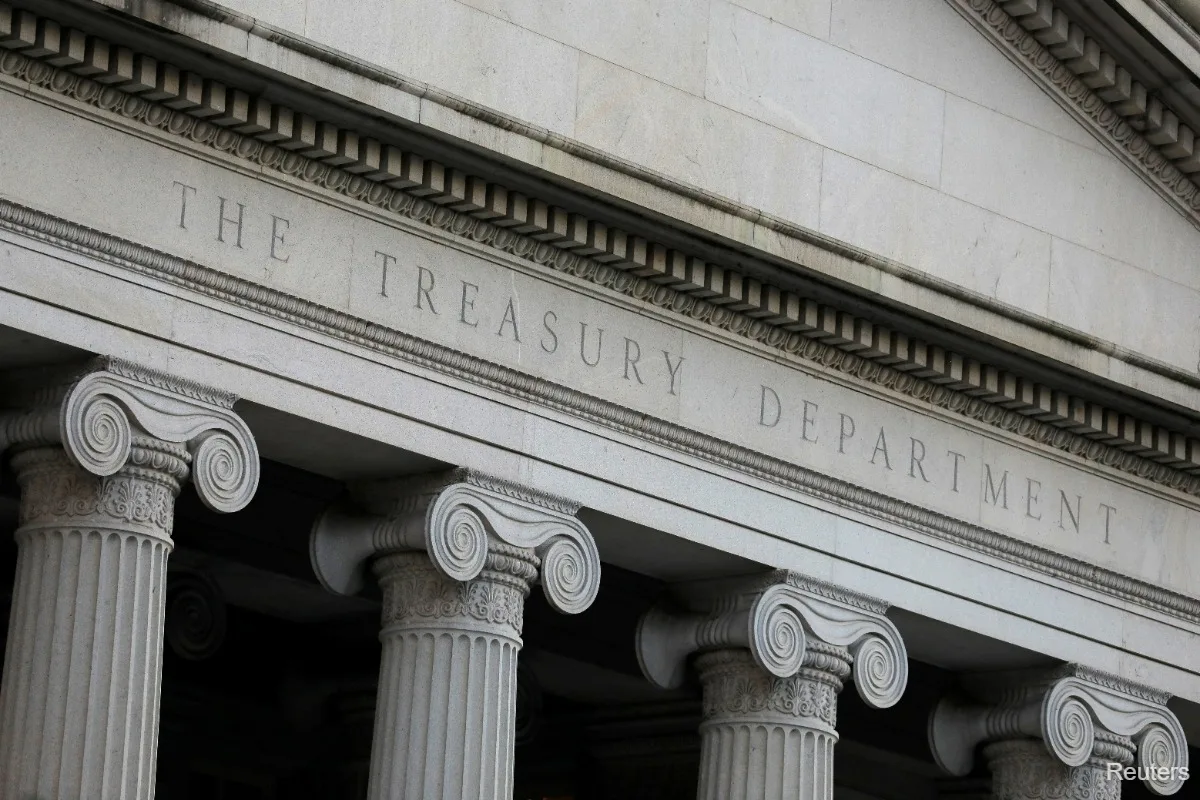
The US Treasury attempted to counter rising yields with an expanded bond buyback program announced by Secretary Scott Bessent in August, but bond sell-offs erased early gains [9, 10]. Bessent shrugged, saying, "I’m fine with it. The market is the market" [9]. Bank of America's Mark Cabana added, "The rates market has not been able to hold any type of significant rate decline. Investors demand the greatest compensation to extend that far out" [9].
Investors remain wary as volatile energy prices and elevated global debt levels add to uncertainty. George Maris of Principal Asset Management warned, "You look at debt levels around the world that are at stratospheric levels and increasing... I don't see the political willingness to tackle this anywhere. I think that’s a problem" [6]. Dan Coatsworth of AJ Bell commented, "Investors are now staring directly into the eyes of an inflation monster that threatens to become stronger unless action is taken" [7].
The Federal Reserve’s decision on interest rates is expected at its meeting in mid-September 2026, with investors watching inflation data closely to gauge the next policy steps [1, 3].