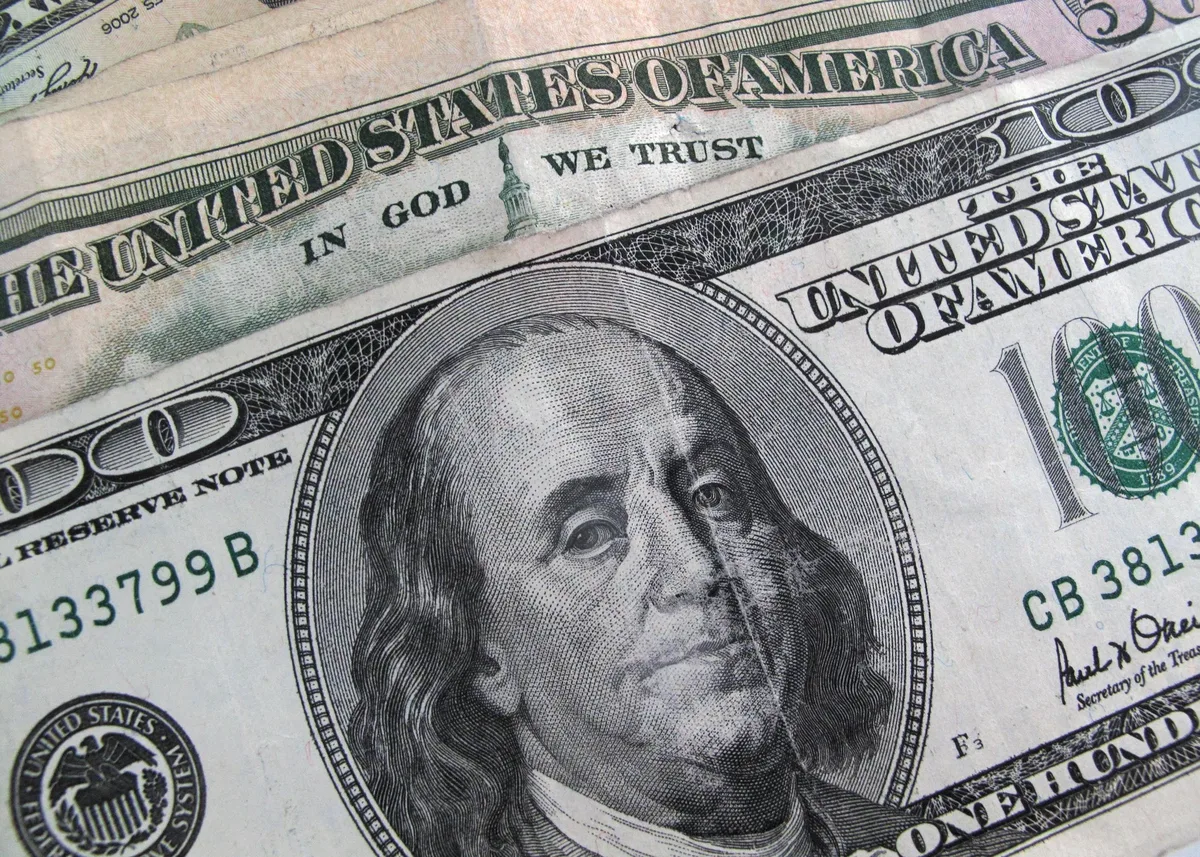
The US dollar dropped to its lowest level since early June 2026 on August 17, driven by traders scaling back bets on further Federal Reserve interest rate hikes amid softer US economic data [1, 2, 3]. The dollar index fell to a range between 99.19 and 99.36, marking its lowest point since early June [1, 2, 4, 5, 3].
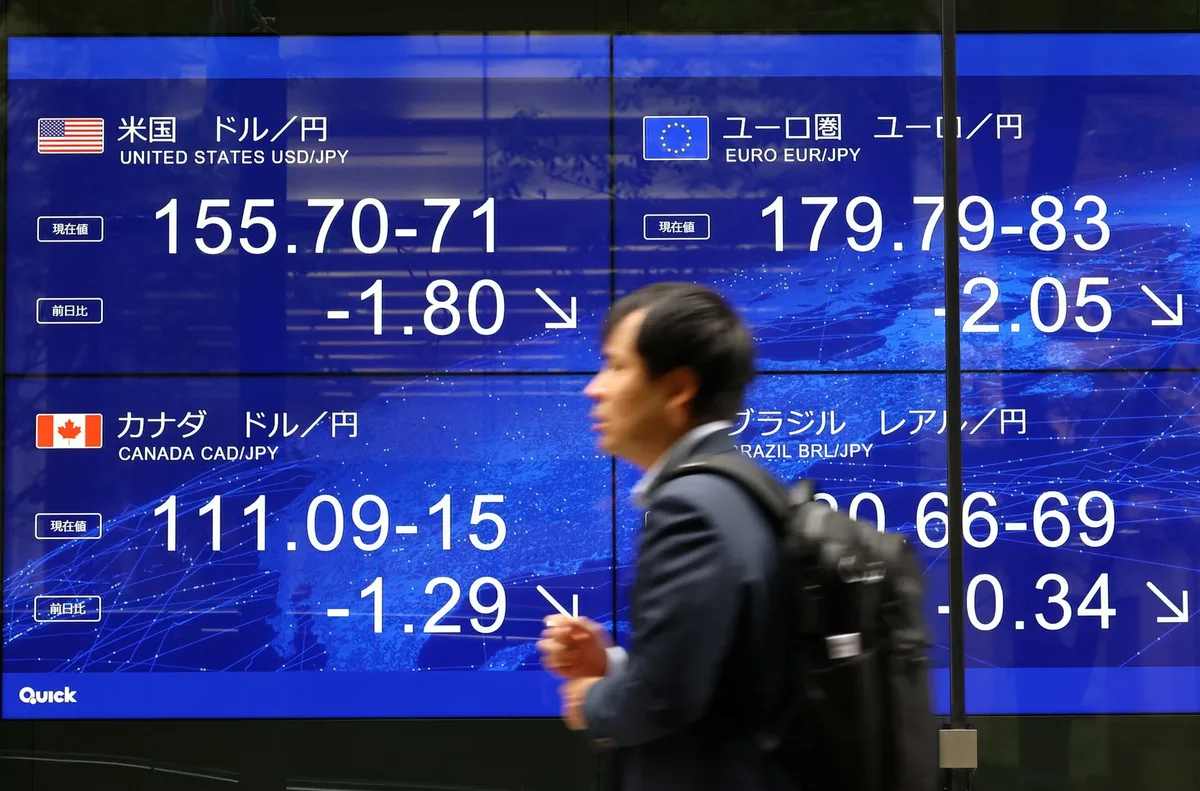
The euro rose to two-month highs against the US dollar, trading around $1.1611 to $1.1614 in mid-August, while the Japanese yen strengthened to about 159.04 to 159.15 per US dollar [1, 2, 4, 5]. The yen’s gains followed coordinated currency market intervention by US and Japanese authorities in late July designed to support the Japanese currency amid market volatility [1, 2]. Matthew Tuttle, CEO of Tuttle Capital Management, said the intervention “changed the path” but did not eliminate incentives for carry trades related to interest rates [1].
Japan’s economy grew slower than expected in the second quarter of 2026, due to one-off factors affecting household spending and business investment, contributing to yen moves [1, 2]. Tom Samuelson, CIO at Vineyard Global Advisors, noted, “Japan is struggling with structural problems. But I think the central banks have a strong incentive to keep the yen orderly” [4].
US economic data added pressure on the dollar as retail sales fell 0.6% month-on-month in July and nonfarm payrolls shrank by 23,000 jobs, with unemployment steady at 4.1%, signaling a softer US economy [1, 3]. These figures brought down market expectations for a Federal Reserve rate hike at its September meeting to about 30.6%, down from over 50% a week earlier [1, 2]. Thomas Simons, chief US economist at Jefferies, said, “There were enough quirks in the data to keep the market on guard for a potential rate hike before the end of the year” [1].
Yields on US Treasury securities eased alongside the dollar, with the 10-year yield dropping to around 4.68%-4.70% and the 30-year yield falling to roughly 5.28%-5.29% [4, 5, 3]. Harvinder Kalirai, chief strategist at Alpine Macro, said, “If the Fed does not follow through with the rate hikes that are being discounted, the upside for bond yields should be very limited here” [5].
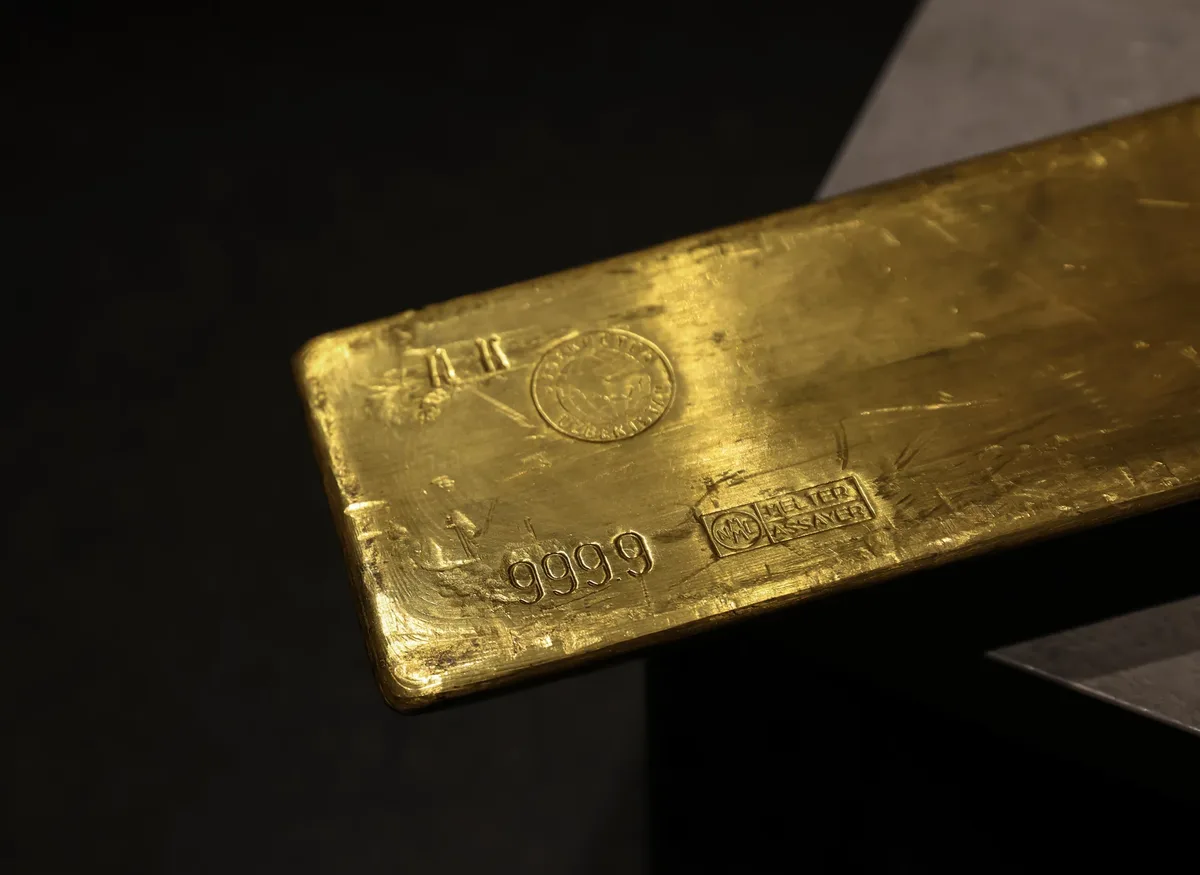
Gold prices rose more than 1%, reaching about $4,425 to $4,426 an ounce, as the weaker dollar and diminished Fed rate hike bets made bullion more attractive [6, 3]. Risk sentiment was also affected by geopolitical tensions in the Middle East, including renewed fighting in Lebanon and a US naval blockade of Iranian ports. US President Donald Trump said, “A US naval blockade on Iranian ports is putting pressure on the country and I have no timeline for resolving the conflict” [6].
Markets are closely watching the Federal Reserve’s minutes from the July 28-29 policy meeting, which could provide clearer signals on the central bank’s views on the economy and interest rate path [6, 4, 5, 3]. The Fed left rates unchanged at 3.5%-3.75% at that meeting but financial markets remain cautious about future moves [3].