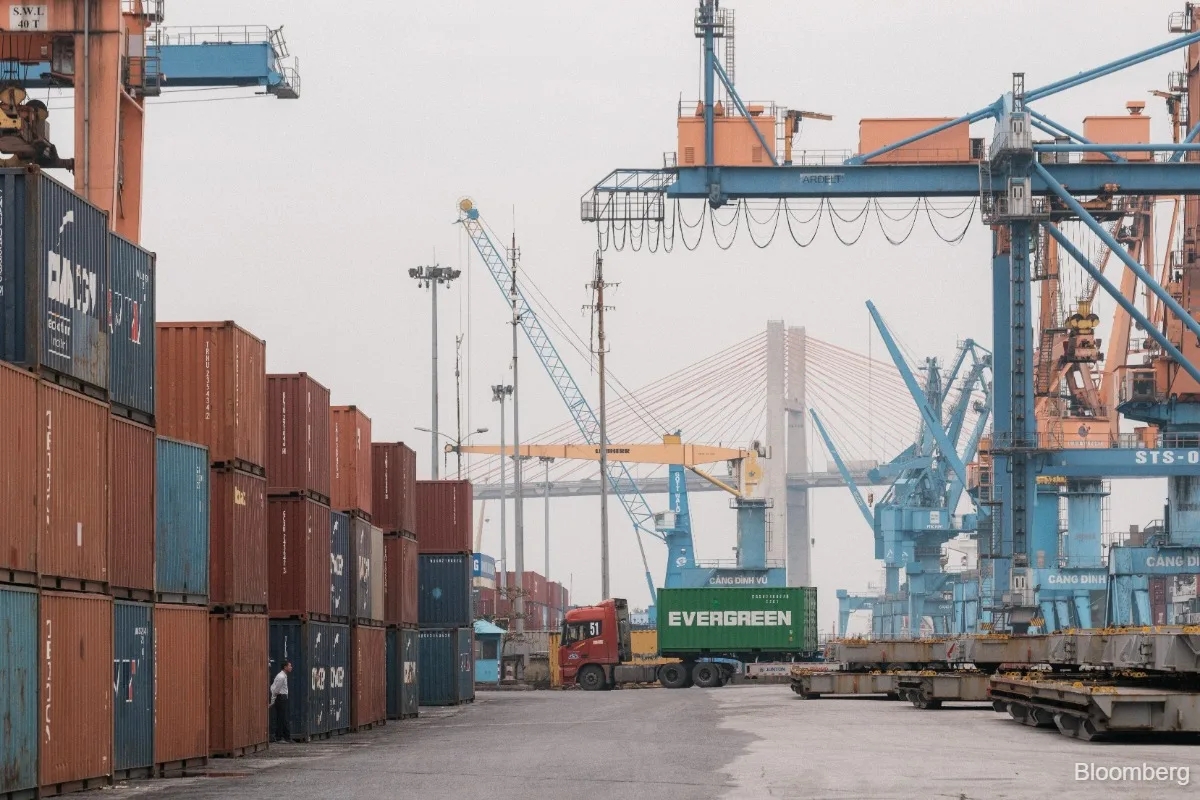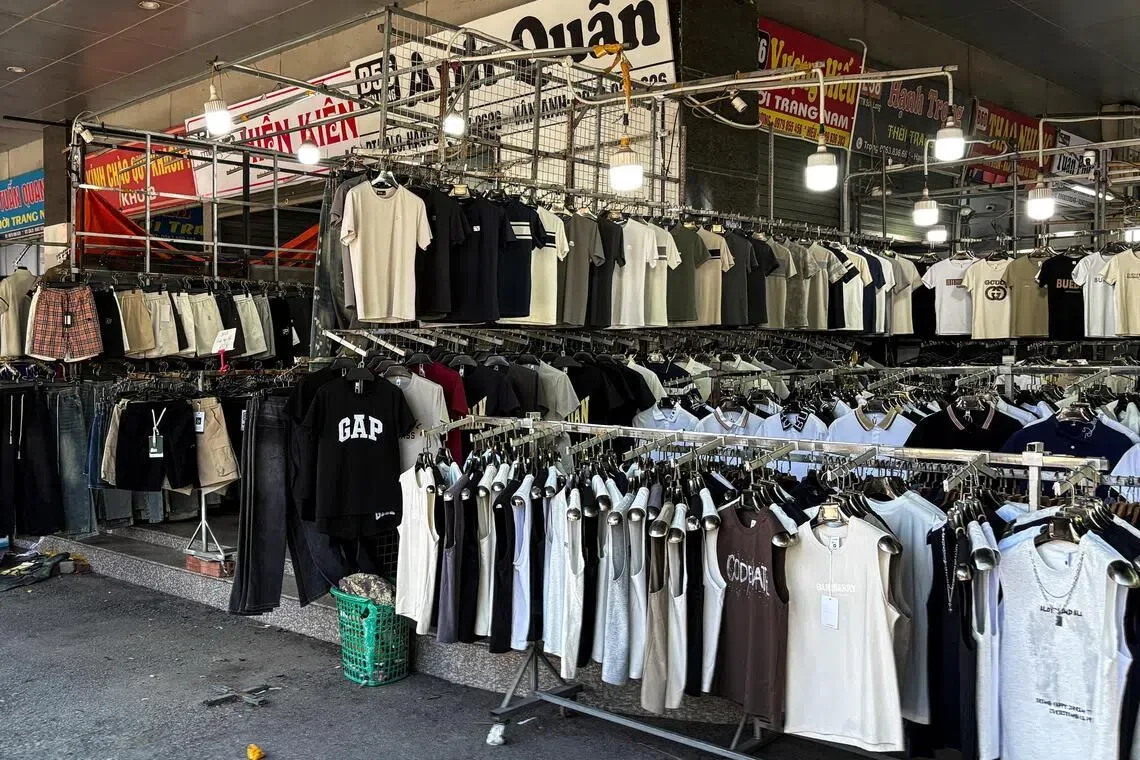
The United States launched a third trade investigation on May 29 into Vietnam’s handling of intellectual property rights under Section 301 of the Trade Act [1]. The probe will evaluate the impact of Vietnam’s IP policies on US commerce and could result in new US tariffs on Vietnamese goods [1, 2].
Vietnam was designated a “priority foreign country” in a late April US report for violations of IP-related laws, marking the first such designation in 13 years [1, 2]. This follows two ongoing Section 301 investigations targeting Vietnam for excess manufacturing capacity and forced labor [1, 2].
US Trade Representative Jamieson Greer said on May 30 that "We need to see Vietnam resolve these long-standing concerns, including on a range of IP enforcement issues, in a manner that is sustained and that deters future IP infringements" [2].
In response to the USTR report, the Vietnamese government ordered a one-month crackdown on piracy websites, counterfeit goods, and trademark infringements aiming to increase enforcement cases by 20% compared to May last year [1, 2]. Earlier in May, Prime Minister Le Minh Hung met US Deputy Trade Representative Rick Switzer in Hanoi, reaffirming Vietnam’s commitment to combat IP violations [1, 2].
Vietnam was first hit with a 46% US tariff on some products in April 2025, which was later reduced to 20% following negotiations, though a broader trade deal remains stalled [1, 2]. The ongoing investigations are expected to conclude in July 2026 and could provide a basis for further unilateral tariffs by the US [1, 2].