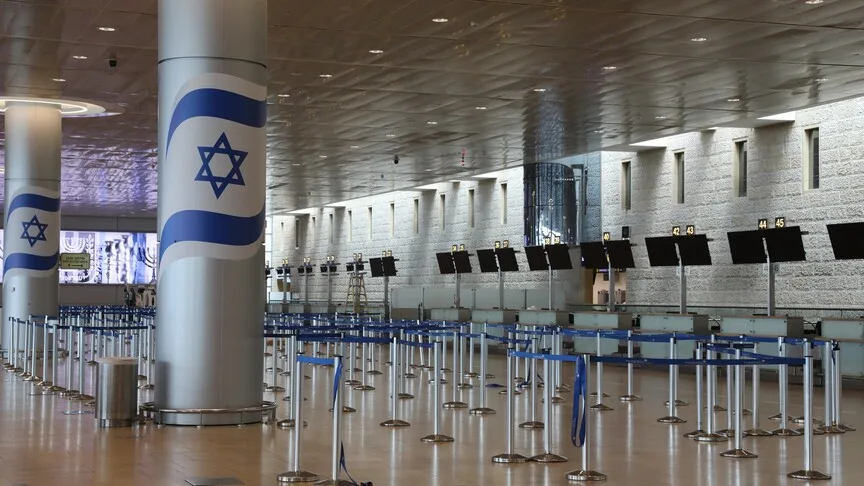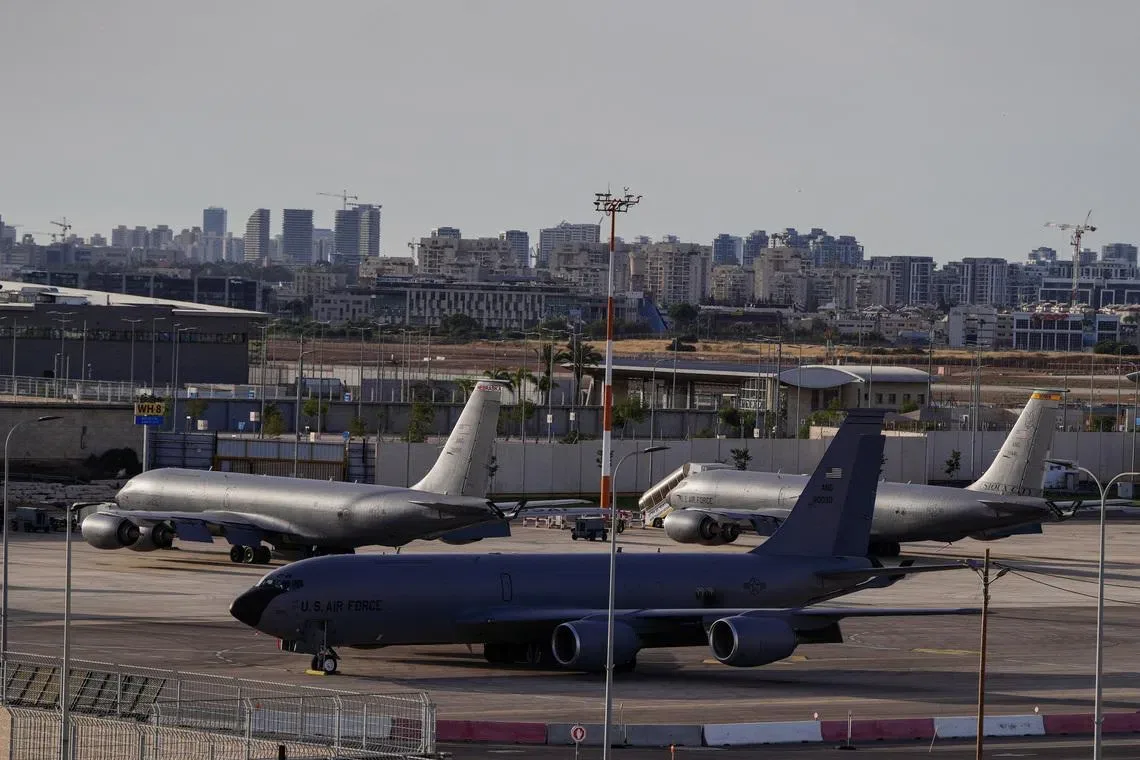
Ben Gurion International Airport is running at about one-third of its normal capacity because dozens of US military refueling aircraft are occupying key space and resources, causing widespread operational disruptions[citation needed] [1, 2]. Israeli airport officials report that this reduced capacity is leading to heavy flight cancellations this summer, affecting up to 3 million passengers[citation needed] [1, 2].
Sharon Kedmi, an official involved in airport operations, said, "We are only utilizing one-third of the airport's operational capacity. We are at the limit of our capabilities. There will be flights that we will announce in the coming days that are being cancelled" [1].
The Israel Airports Authority has lost roughly 700 million shekels — about $248 million — over the past two months because of the US military presence, with warnings that these losses could climb into the billions if the situation continues [1, 2]. The airport had originally expected to handle about 18 million passengers this year but now projects that the total may not exceed 15 million due to ongoing limitations [1, 2].
Shmuel Zakay, head of the Israeli Civil Aviation Authority, criticized the impact of the US military's use of Ben Gurion. He said the airport "has turned into a military airfield with limited civilian activity," which is delaying the return of foreign airlines, raising airfares, and harming local carriers [1].
Official warnings of the situation’s severity date back to early May when Zakay voiced concern about harm to civilian flights and airlines[citation needed] [1, 2]. On May 28, Sharon Kedmi publicly revealed the limited capacity and anticipated cancellations, followed by Israeli officials confirming the financial losses a day later [1, 2].
The Israel Airports Authority and civil aviation officials have not announced any resolution timeline. The current constraints and losses are expected to persist as long as US military tanker aircraft remain based at the airport [1, 2].