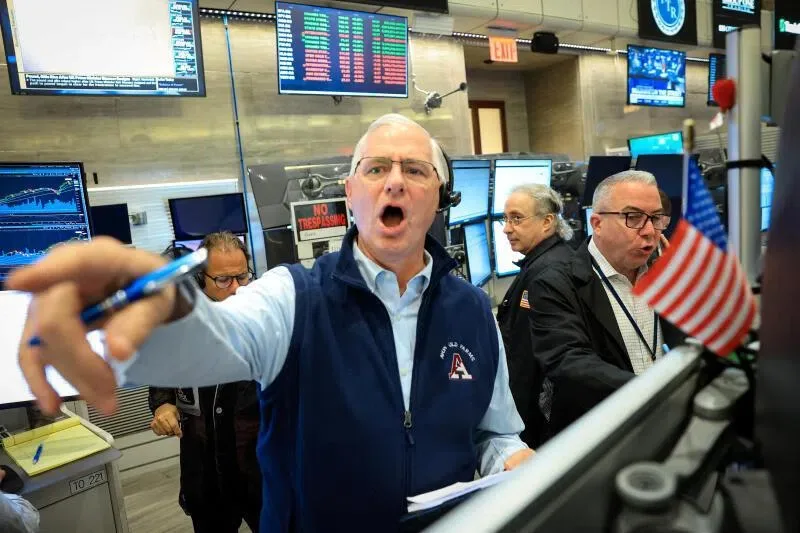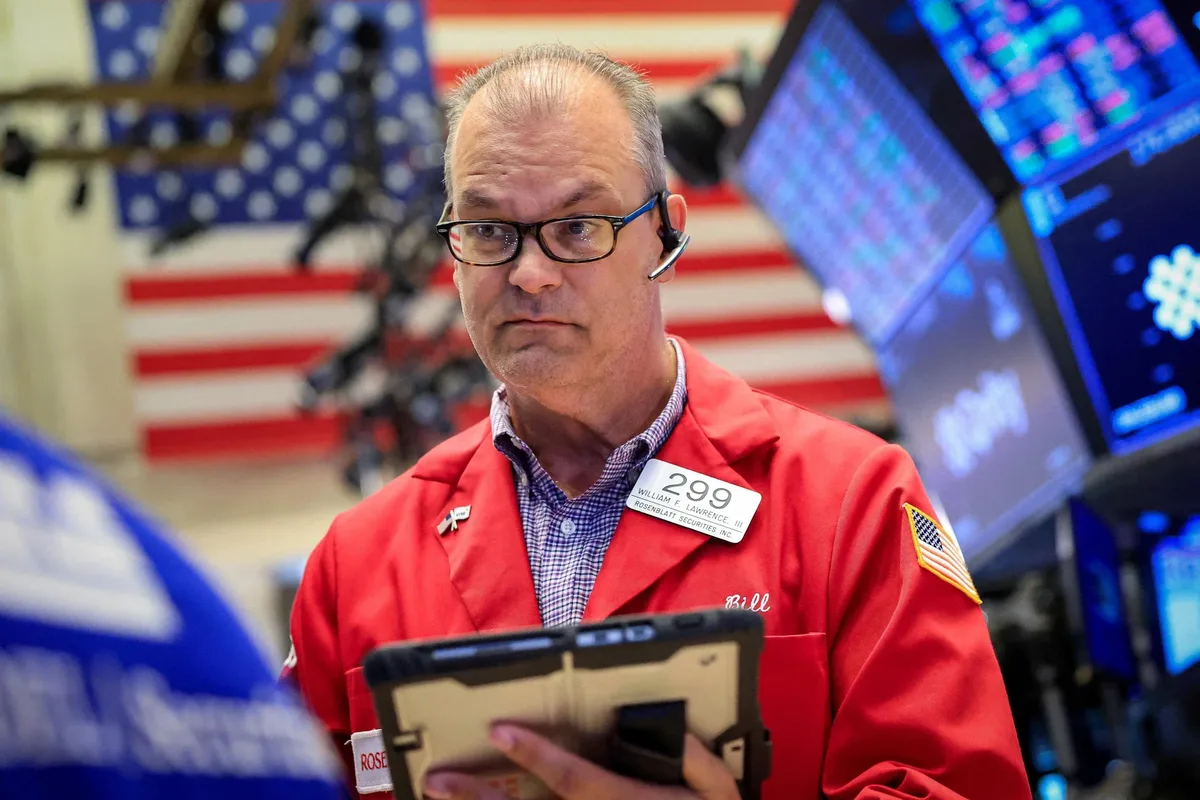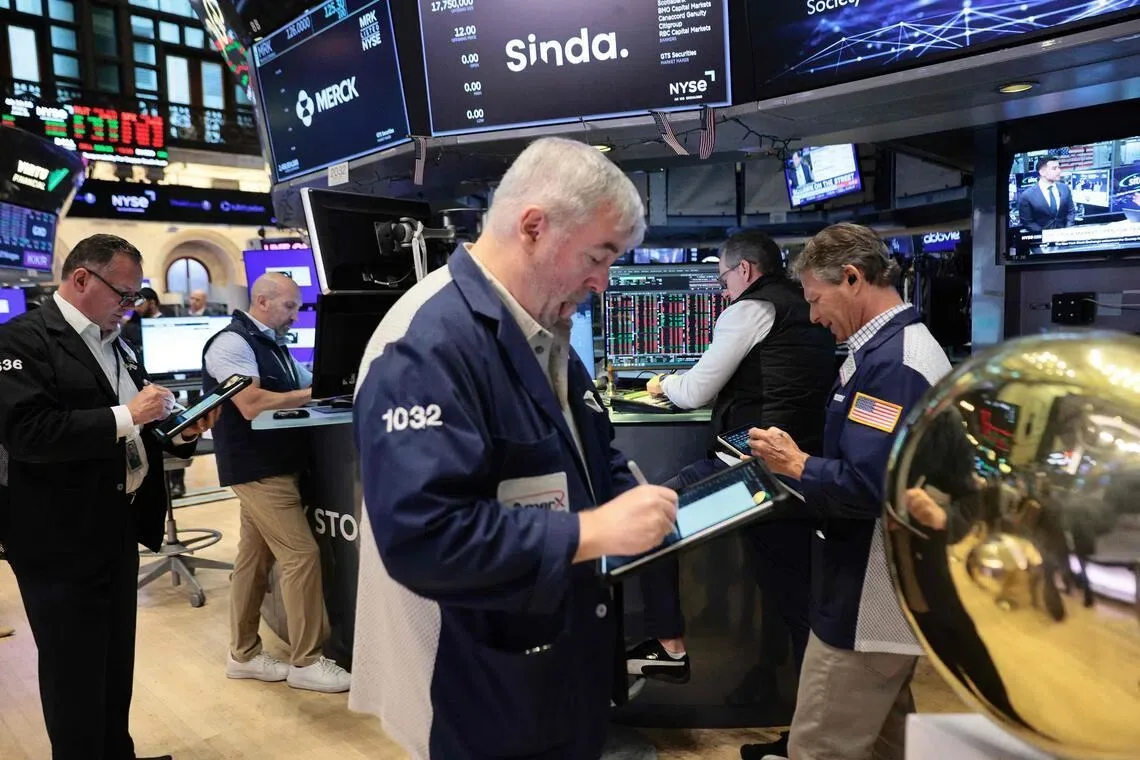
The S&P 500 and Nasdaq Composite fell on multiple days between June 22 and June 26, dragged by declines in major technology stocks including Alphabet, Meta, Amazon, Microsoft, Nvidia, and chipmakers such as Micron Technology and Sandisk [1, 2, 3, 4, 5, 6, 7, 8]. SpaceX shares plunged about 16.4% on June 22 following its first-ever debt offering and reporting cash and equivalents of US$100.8 billion as of June 19 [1, 5, 7].
The Dow Jones Industrial Average generally rose over the same period, helped by gains in healthcare, industrials, and real estate stocks [1, 2, 3, 4, 5, 6, 8]. Despite volatility, Micron Technology shares surged nearly 300% in 2026 before June 22 and showed sharp gains after a strong quarterly earnings report released June 24; shares fell June 24 but rebounded by nearly 16% on June 25 [1, 2, 3, 8].
Artificial intelligence-related chipmakers experienced sharp swings. The PHLX chip index dropped 5.3% on June 26—its worst weekly decline since early April 2026—and fell 7.9% over the week ending June 26 [4, 6]. Moderna shares jumped nearly 13% after positive pipeline updates [4, 6].
Market investors grew wary due to high valuations in tech, debt-fueled spending by hyperscalers on AI infrastructure, and the potential for a more hawkish Federal Reserve tightening monetary policy [1, 2, 3, 4, 6, 7]. Bill Northey, senior investment director at US Bank, said, "This is a very sentiment-driven sector and the group tends to trade together on a day-to-day basis. But as we step back ... some of the strongest fundamentals are within the AI data centre buildout space." [1]
US inflation climbed above 4% in May, the highest in three years, driven partly by higher energy prices connected to the ongoing Iran war. This inflation surge renewed concerns over further Fed interest rate hikes [3, 4, 6, 8]. On the energy front, oil prices fell in response to tentative progress in US-Iran nuclear talks, de-escalation of Middle East tensions including agreements to keep the Strait of Hormuz open and lift a naval blockade [1, 2, 5, 7]. Michael Monaghan, portfolio manager at Founder ETFs, noted, "The Middle East conversation is wrapping up... energy prices are coming off. But you continue to have the AI CapEx buildout where, for some reason, people like the recipients of the spend and have been punishing those doing the spending." [2]
Apple raised prices on iPads and MacBooks citing rising semiconductor costs, contributing to share volatility and renewed inflation pressures in tech hardware markets [3, 4, 6, 8]. Art Hogan, chief market strategist at B. Riley Wealth, said, "We saw a similar dynamic during the pandemic, when supply chain disruptions limited access to semiconductors. Now, we’re witnessing a comparable supply shock, this time driven by memory, which is creating renewed inflationary pressure." [4]
Economic data showed resilience, with first-quarter US GDP growth at 2.1%, stronger-than-expected manufacturing and services PMI readings in June, and declining weekly unemployment claims [7, 8]. David Stubbs, chief investment strategist at AlphaCore Wealth Advisory, said, "It’s too early to conclude that there’s a major correction brewing in tech, but ... questions around profitability and the capex story are certainly not going away." [4]
On June 26, the S&P 500 closed marginally lower at 7,353.95 points while the Nasdaq fell to 25,297.62 points. The Dow Jones closed up at 51,876.11 points [4, 6]. The PHLX chip index dropped 5.3% on June 26, marking a difficult week for chip stocks amid ongoing volatility [4, 6].