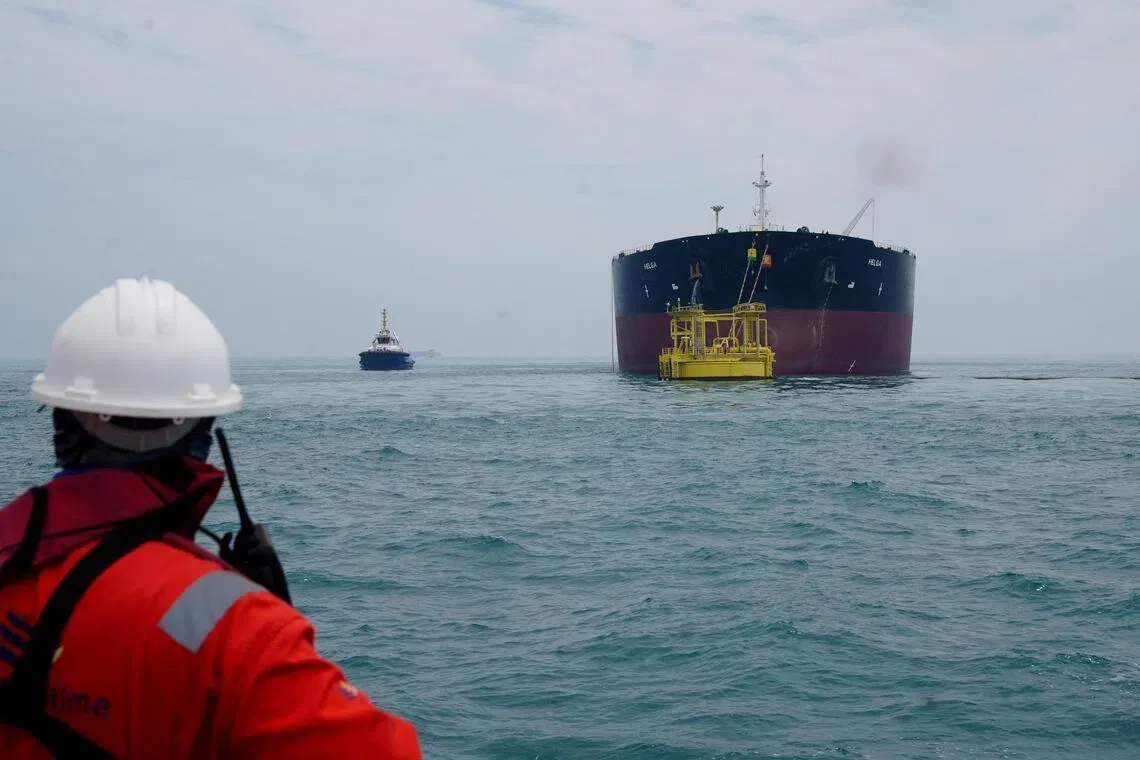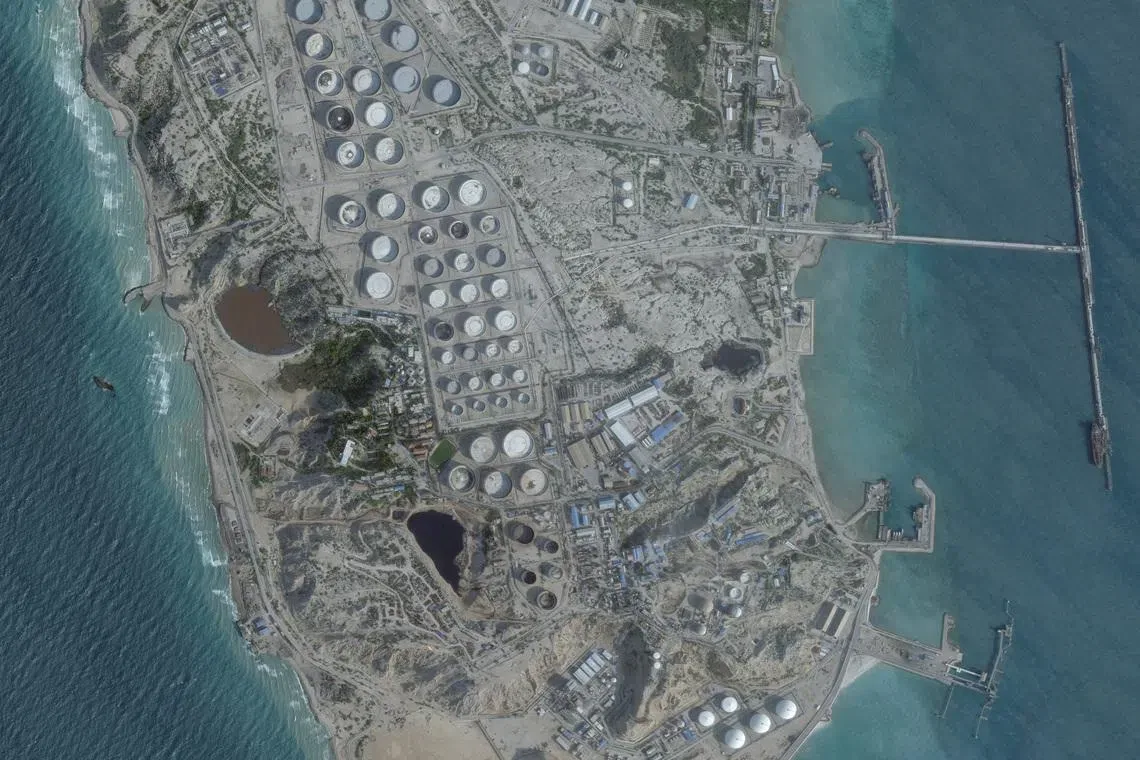
The US Treasury on June 22 issued a 60-day waiver allowing some US refiners to purchase Iranian crude oil for the first time in nearly 40 years, signaling a brief easing of sanctions related to Tehran's oil exports [1, 2]. The waiver aims to support ongoing peace talks and to reduce oil supply disruptions caused by heightened tensions in the Strait of Hormuz, a strategic oil shipping lane [1, 3, 4, 5, 2].
As of June 22, approximately 68 million barrels of Iranian crude and condensate were sitting on tankers at sea, with at least 80% of these cargoes lacking a confirmed buyer and thus available under the new waiver conditions [3, 4, 5, 2]. Iranian sellers and intermediaries immediately began reaching out on June 23 to key Asian oil importers, including India, Japan, South Korea, and China, to offer crude oil under the short-term waiver [3, 4, 5, 2].
Despite this outreach, Asian refiners outside China remain cautious. Many have secured alternative crude supplies and worry about the uncertainty surrounding ongoing US sanctions and additional EU and UK restrictions. Sumit Ritolia, lead analyst at Kpler, said, "Asia is unlikely to commit to Iranian crude imports while US policy on sanctions continues to flip-flop and the geopolitical situation remains highly fluid. Most importantly, refiners in Asia ex-China have already lined up increasing volumes of crude to secure their energy needs" [3].
Indian refiners, given their geographic proximity to Iran, may find it easier to take advantage of the waiver despite typically avoiding sanctioned crude. Ritolia noted that "Indian refiners – major oil importers – had secured crude arrivals until August," which aligns with the waiver's short 60-day duration [3].
Historically, US refineries imported medium sour Iranian crude before sanctions were imposed in 1995, with peak exports reaching 850,000 barrels per day in 1977 [1]. The current waiver marks a notable shift, allowing limited imports after nearly four decades of a near-total embargo.
The waiver is set to expire on August 21 unless the US government opts to extend it, leaving the future of Iranian crude sales to the US and some Asian buyers uncertain beyond that date [2].