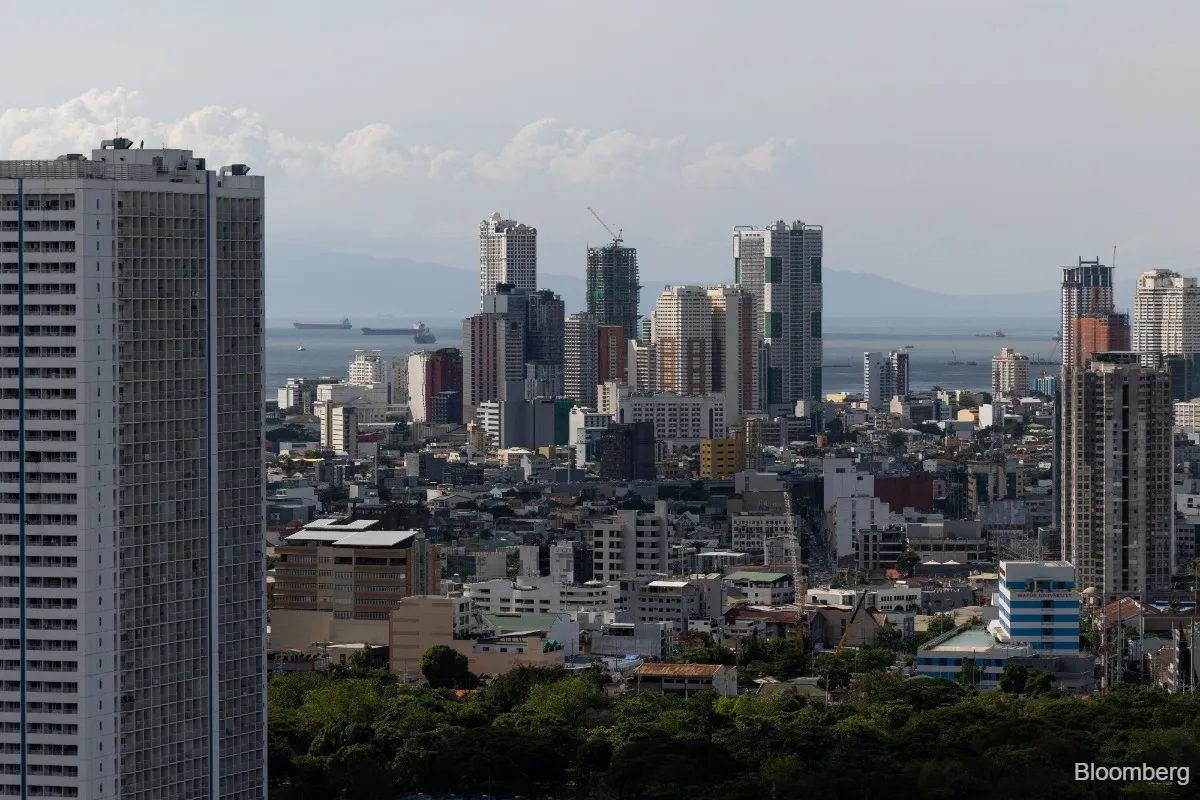
Vietnam and the Philippines were elevated by the World Bank from lower-middle income to upper-middle income status in 2025 due to strong economic growth and rising gross national income (GNI) per capita [1, 2, 3, 4, 5, 6].
Vietnam's GNI per capita reached US$4,970, surpassing the World Bank threshold of US$4,636 for the upper-middle category. The Philippines also exceeded the threshold, with a GNI per capita of US$4,850 in 2025 [1, 2, 3, 4, 5, 6]. Vietnam had been classified as lower-middle income since 2009, while the Philippines held that status since the late 1980s [1, 2, 3, 4, 5, 6].
Vietnam's export-led growth model helped fuel over 15% export growth from 2024 to 2025 and an average annual GNI growth of 10% from 2021 to 2025. The country targets double-digit GDP growth for 2026 with plans for business reforms and infrastructure investments [1, 2, 3, 4, 5, 6]. Meanwhile, the Philippines experienced broad economic expansion across multiple industries and reported an average GDP growth of 5.8% over the past five years [5, 6]. However, the Philippines lowered its growth targets for 2026-2030 due to Middle East tensions and the impact of a strong El Niño, revising 2026 growth to 3.5%-4.5% and 2027-30 to 5%-6% [1, 2, 3, 4, 5, 6].
According to World Bank data, Vietnam outperforms the Philippines in health, education, and employment indicators, resulting in a higher Human Capital Index. World Bank estimates suggest the Philippines could boost future income by about 43.6% by improving development measures to Vietnam's level [5, 6].
Philippine Economic Planning Secretary Arsenio Balisacan said, "Despite global and domestic shocks, we have relentlessly pursued inclusive growth, strengthened fundamentals, and remained on track with our development agenda" [1]. Ruben Carlo Asuncion, chief economist at Union Bank of the Philippines, noted that advancing income status reflects greater national self-sufficiency, including fiscal independence [2].
All major Southeast Asian economies—Vietnam, the Philippines, Singapore, Malaysia, and Thailand—are now classified as upper-middle income or higher. The share of low-income countries globally has dropped to 11% from 30% in 1987 [1, 2, 3, 4]. Recent similar upgrades include Jordan, Micronesia, and Sri Lanka, while Togo was reclassified downward [1, 2, 3, 4].
Upgrading to upper-middle income may reduce access for Vietnam and the Philippines to concessional funding and loans with favorable terms [1, 2, 3, 4]. Vietnam aims for 11.9% economic growth in the second half of 2026 as part of its continued expansion [1, 2, 3, 4, 5, 6].