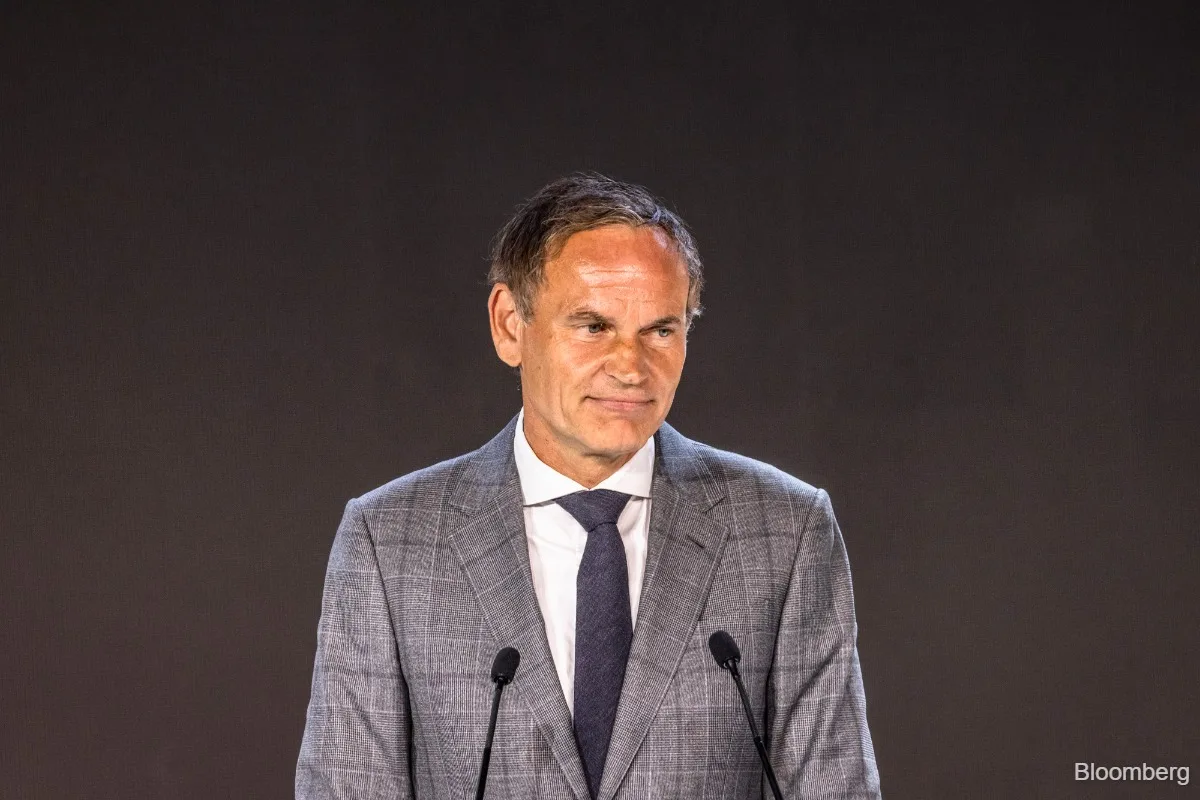
Volkswagen CEO Oliver Blume proposed a sweeping restructuring plan in early July 2026 that would have included up to 100,000 job cuts across the group, the potential closure of four German plants, and possibly spinning off the VW brand. The plan also aimed to reduce production capacity to around 9 million vehicles annually and cut the number of car models by up to 50% to focus on more profitable segments. However, the proposal was decisively rejected by the company’s supervisory board on July 9, with 12 votes against and 7 in favor. Opposition came primarily from labour representatives and the Lower Saxony state government, both influential given the board’s equal labor-management composition [1, 2, 3, 4].
Labour unions hold about half the seats on Volkswagen’s supervisory board and have previously negotiated gradual cuts of 35,000 jobs by 2030, reached in a 2024 agreement. The new plan’s sharper cuts met strong resistance, reflecting concern over the impact on workers and local economies [2, 5]. CEO Blume said the plan was intended to make Volkswagen “faster, more resilient and more competitive” as it faces stiff competition from Chinese EV makers and cost challenges, especially with German manufacturing costs about two-thirds higher than in Portugal or Spain [5, 1].
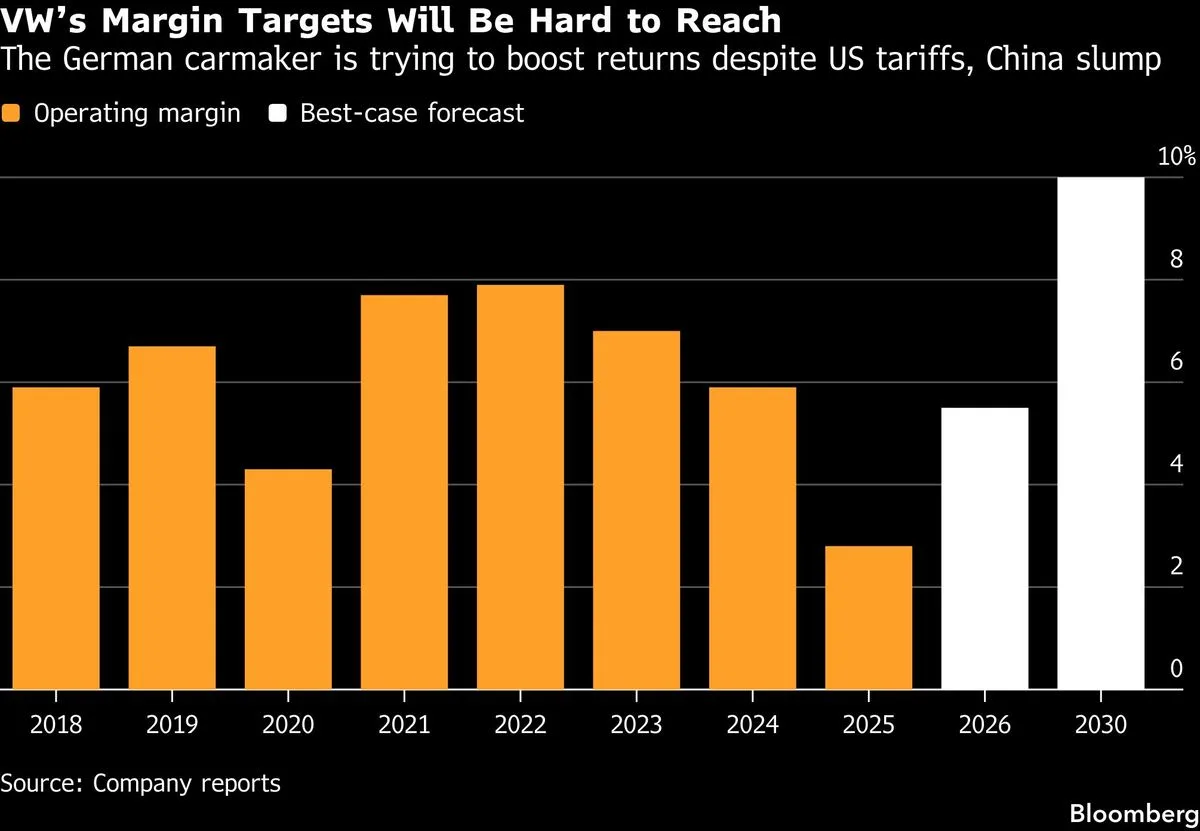
Volkswagen’s shares remained largely unchanged after the announcement and board vote [1, 6, 5]. The company is under pressure from eroding profits and a market valuation near €38.6 billion ($44.1 billion), close to its net cash level. It also faces rising US import tariffs and shifting market demands amid evolving auto industry dynamics [1, 3].
Following the vote, Volkswagen management issued a statement emphasizing efforts to reduce product complexity and streamline the vehicle lineup without mentioning layoffs or plant closures. This contrasts with reports that the rejected plan included significant workforce and site reductions, illustrating internal tensions over the company’s restructuring path [6, 3, 4].
Lower Saxony premier Olaf Lies said the state is working with Volkswagen management to address challenges and acknowledged the critical industry environment. “Everyone involved is fully aware that Volkswagen and the automotive industry as a whole are currently facing a critical situation, with an extremely challenging international competitive environment,” he said [6].
Volkswagen’s supervisory board vote on July 9 marks a major setback for Blume’s restructuring vision. The company will continue negotiating with unions and stakeholders as it seeks a viable strategy to adapt and stabilize amid ongoing market pressures.