The World Bank approved $1.1 billion in emergency financing to Bangladesh to address fertilizer market volatility and maintain food security amid rising global prices, sources confirmed today [1, 2, 3].
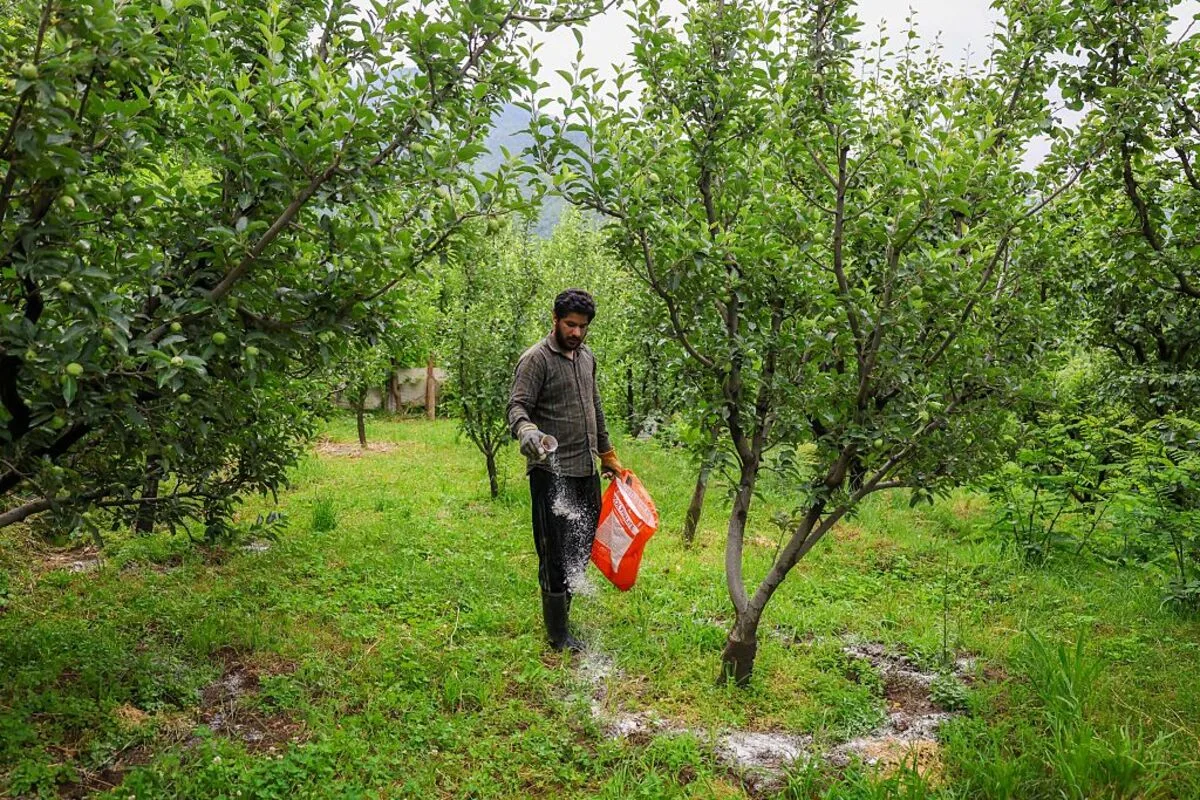
Of the total, $300 million will fund the import of 600,000 metric tons of fertilizer for Bangladesh’s Aman and Boro rice seasons, running from July 2026 to April 2027 [1, 2, 3]. These seasons produce roughly 90% of the country’s rice output, covering around 1.4 million hectares of farmland [1, 2].
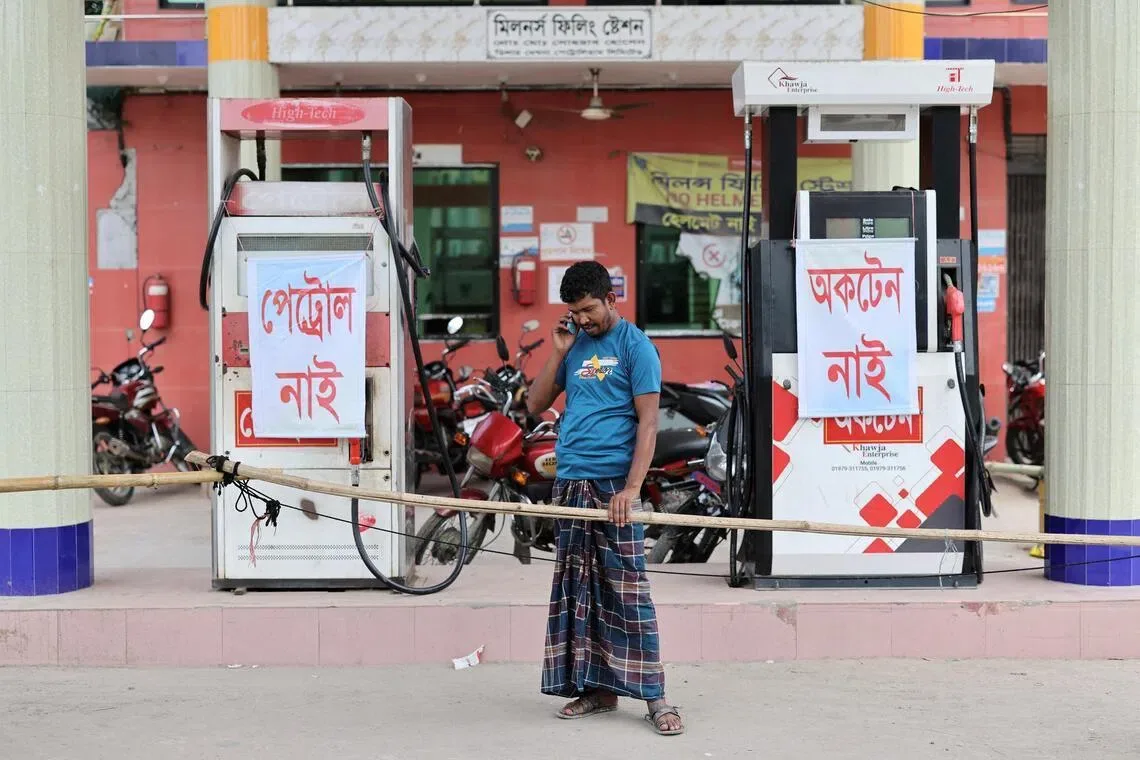
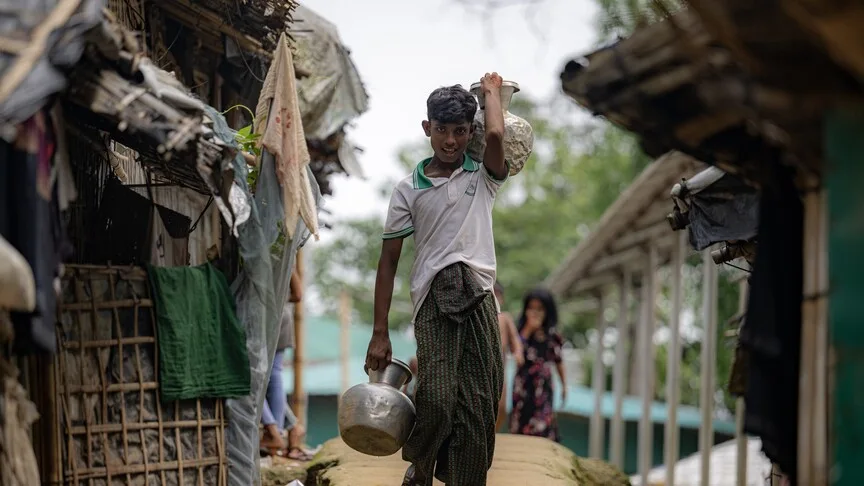
The remaining approximately $713 million is designated under a Contingent Emergency Response Project. These funds will finance emergency expenditures such as cash transfers, livelihood support, and imports of fuel and energy to sustain critical services including healthcare, food distribution, electricity, and water supply [2, 3]. The funds are expected to be disbursed by June 30, 2027 [3].
Bangladesh imports over 85% of its fertilizer, leaving the country vulnerable to global supply chain disruptions amid geopolitical tensions, especially the ongoing Middle East conflict [2]. "Rising food, fertilizer and fuel prices stemming from the Middle East conflict, coupled with tighter fiscal space, have deeply affected Bangladesh’s economy, particularly smallholder farmers and poor and vulnerable households," said Jean Pesme, World Bank division director for Bangladesh and Bhutan [2, 3].
The financial support aims to help Bangladesh respond quickly to economic shocks while protecting jobs, livelihoods, and essential public services amid tighter fiscal constraints [2, 3]. Bangladesh has also sought additional external financing from partners, including the IMF, to shore up foreign exchange reserves and ease fiscal pressures [2].
In parallel, the Bangladesh government proposed a record national budget of 9.02 trillion taka (about $74 billion) for the 2026-27 fiscal year, with a projected deficit of $18.5 billion [3].
The World Bank’s approval on June 27 marks a timely measure to secure fertilizer supply and bolster emergency response mechanisms as rice cultivation seasons begin in July 2026 [1, 3].