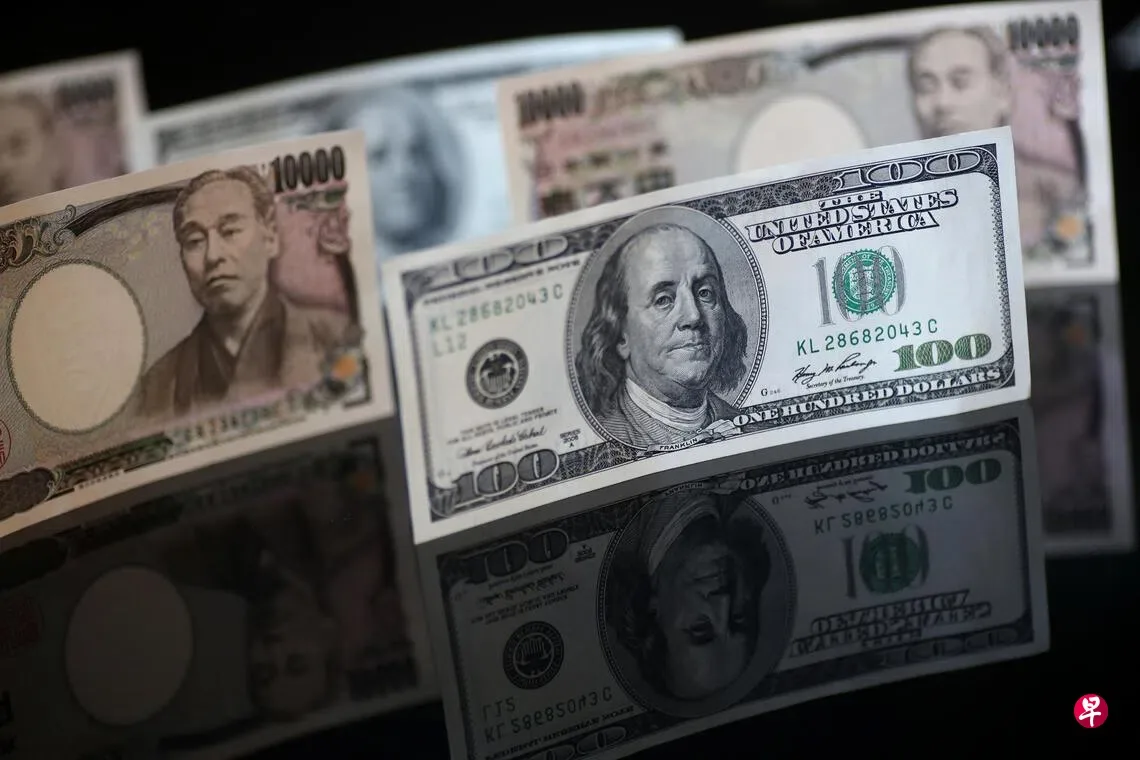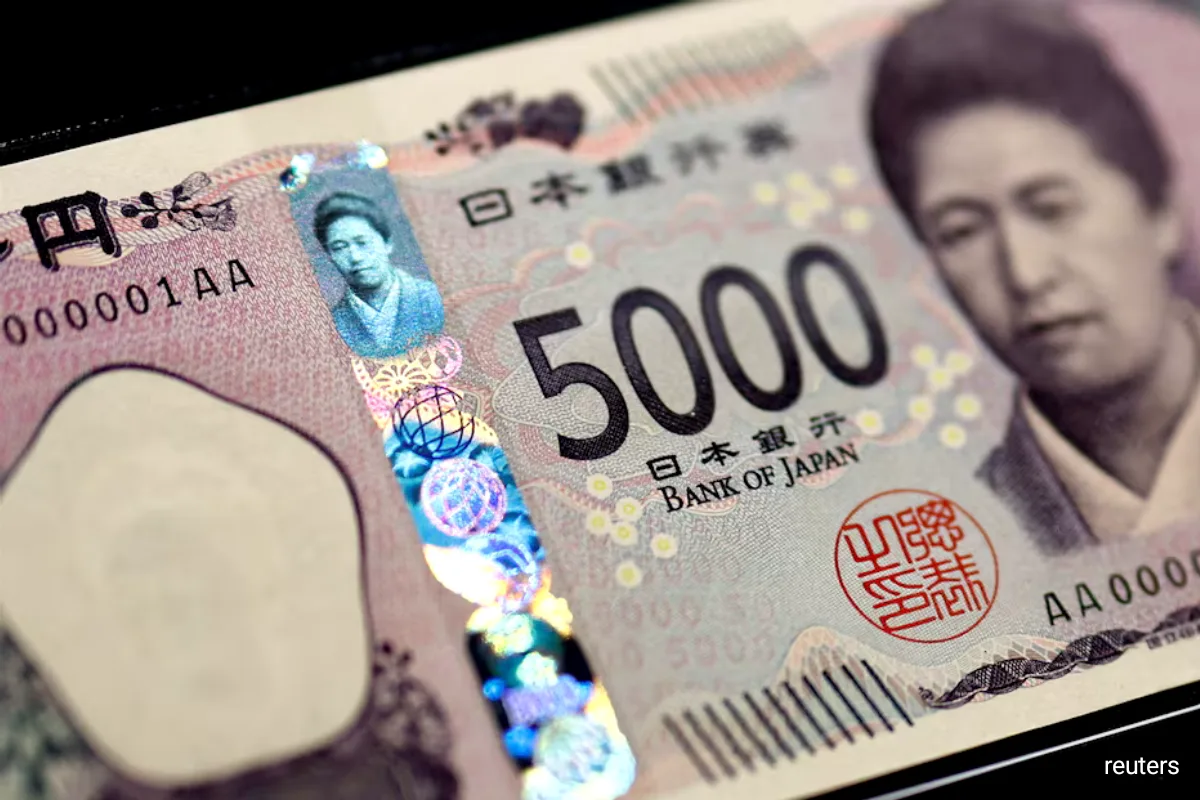
The Japanese yen hit a 40-year low near 164 per US dollar at the end of July 2026 before coordinated US-Japan intervention pushed it up to about 155, according to multiple sources [1, 2, 3, 4]. On July 31, US Treasury Secretary Scott Bessent announced the first joint currency intervention since 1998 [2, 5, 6]. Japanese authorities sold an estimated 12-13 trillion yen (US$76 billion to US$82 billion) of US Treasury bonds in late July and early August to support the yen [2].
The US Federal Reserve conducted yen purchases on behalf of the Treasury but did not directly commit its own funds, limiting the overall firepower of the intervention [5]. The US Treasury's Exchange Stabilization Fund holds less than US$220 billion, constraining the Treasury’s ability to match Japan’s spending in this operation [5]. Bessent pledged a "whatever it takes" approach to help Japan and stabilize the global economy, saying, "we will do whatever it takes to support them in a way that helps the American economy, the American taxpayer, stabilizes the global economy" [5, 6].
Despite the initial rebound, the yen weakened to near 159-160 per dollar by August 11 and 12, erasing about half the intervention gains [1, 7, 3, 4]. Market participants expressed concern over the yen approaching the psychologically important 160 level. Masayuki Nakajima, a senior strategist at Mizuho, said, "If USD/JPY were to break decisively above the psychologically important 160 level, concerns about intervention could intensify further" [4]. Strategist Lee Ferridge of State Street commented, "Without fresh intervention, it will continue to drift lower. It seems that the market is disappointed that we didn’t see more intervention" [7].
There is disagreement between Japanese Prime Minister Sanae Takaichi and US Treasury Secretary Bessent over the Bank of Japan’s monetary policy. Takaichi favors cautious rate hikes to preserve Japan's economic rebound, while Bessent supports tighter monetary policy to strengthen the yen [8]. The US Federal Reserve’s limited role also highlights constraints in how much the US can contribute to supporting the currency [2, 5].
Lower liquidity during Japan’s mid-August Obon holiday is likely to increase volatility in the USD/JPY exchange rate over the coming days [1, 3, 4]. Meanwhile, the Australian Reserve Bank held interest rates steady at 4.35% in early August, with the Australian dollar near an eight-week high against the US dollar [1, 3].
The yen’s level around 159-160 per dollar as of August 12 remains a key threshold for market attention, with authorities and investors awaiting further developments or renewed intervention.