A total or partial solar eclipse is expected on August 12, 2026, visible across Europe and the UK, with over 90% coverage in some locations [1, 2, 3]. Ahead of the event, demand for certified solar eclipse protective glasses has surged, leading to widespread shortages.
In Spain, including major cities like Barcelona and Madrid, pharmacies, opticians, and museums have run out of eclipse glasses. The Spanish government has distributed two million free pairs to try to meet the high demand. Optical shop owner Carles Sisquella in Barcelona said, "There are now a lot of people who obviously won’t be able to get glasses" [1].
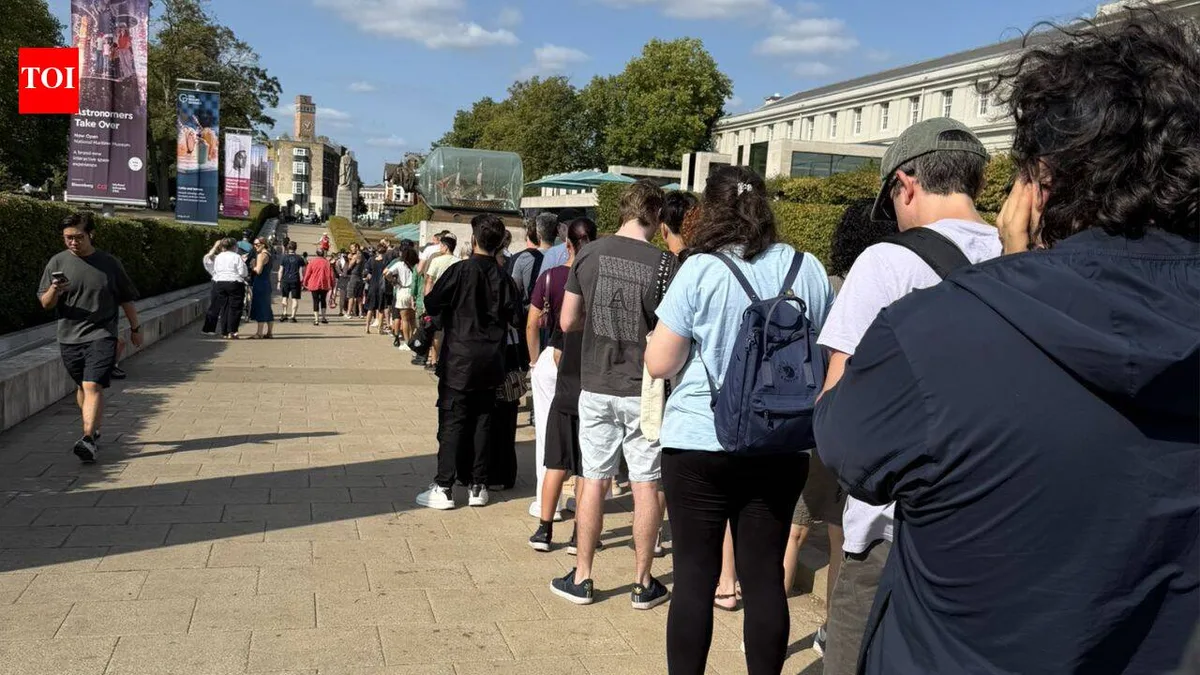
In London, long queues formed outside shops such as the AM2PM Convenience Store in Aldgate. Many stores and online retailers sold out days before the eclipse. Barber shop owner Ali K told shoppers, "There are no more glasses! You're wasting your time, go and enjoy the sunshine!" Customer Alexander Searle said he queued 10 to 15 minutes to buy a pack of three for £17.97 [2, 3]. Temperatures during the London queue reached 91 degrees Fahrenheit [2]. Some secondary market sales of glasses appeared outside official stores [2].
Last-minute shipments of glasses arrived in Brussels on August 10 but sold out within 30 minutes [1]. Some pharmacies in Madrid still had glasses for €3 to €4 on August 11 [1]. Certified eclipse glasses typically cost between €3-4 in Spain and about £17.97 for three in London [1, 2].
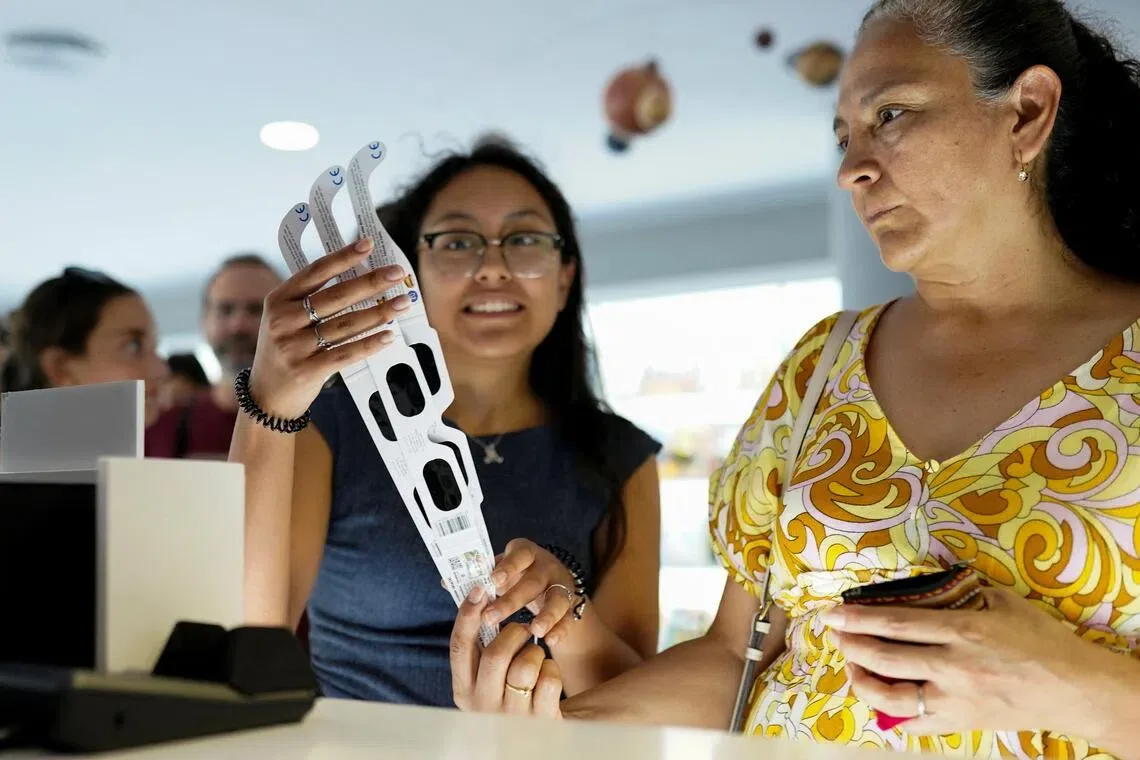
Health experts warn against looking directly at the sun without certified glasses, as it can cause irreparable retinal damage [1, 3]. They advise using only glasses meeting ISO 12312-2 safety standards and warn that ordinary sunglasses or unverified glasses do not provide adequate protection [3]. Pastry chef Arno Dossogne in Brussels said, "It was this or nothing. You can’t mess around, or you’ll burn your eyes" [1].
The Royal Observatory Greenwich is hosting a sold-out eclipse event on August 12 [3]. The partial eclipse will begin being visible in the UK at 18:15 local time on August 12, with maximum coverage occurring between 19:05 and 19:15, reaching over 90% in some areas [2, 3].