Europe is undergoing its fifth major heatwave since May 2026, with temperatures soaring up to 43°C in parts of Spain as of August 12 [1]. The heatwave is driven by a persistent high-pressure heat dome affecting multiple countries including France, Spain, Italy, Germany, Poland, and the Czech Republic [2, 3].
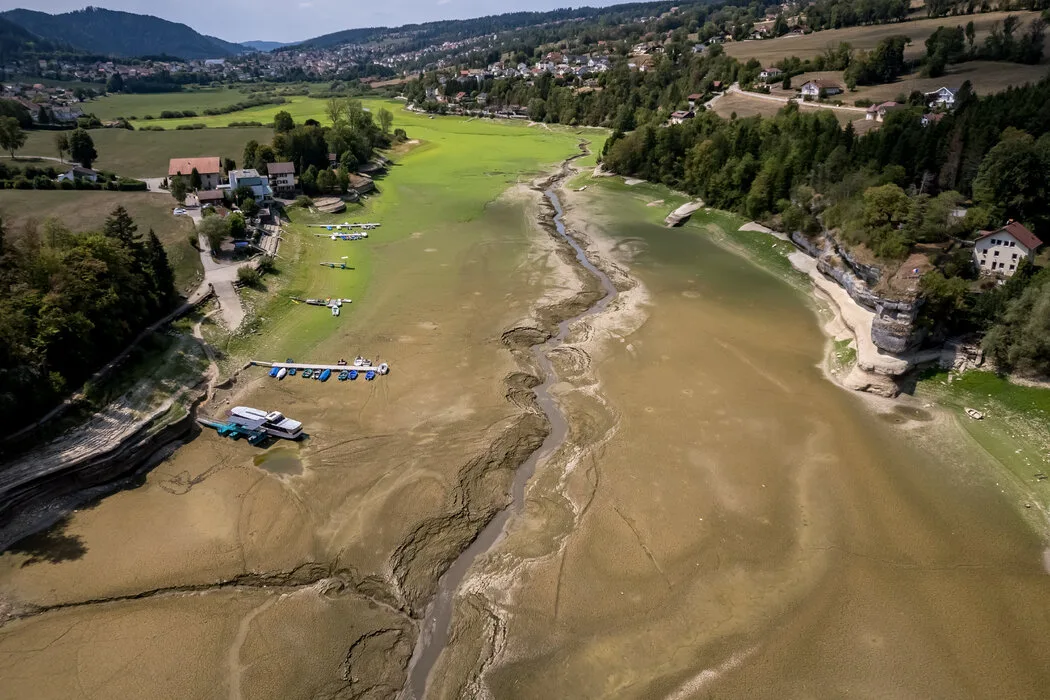
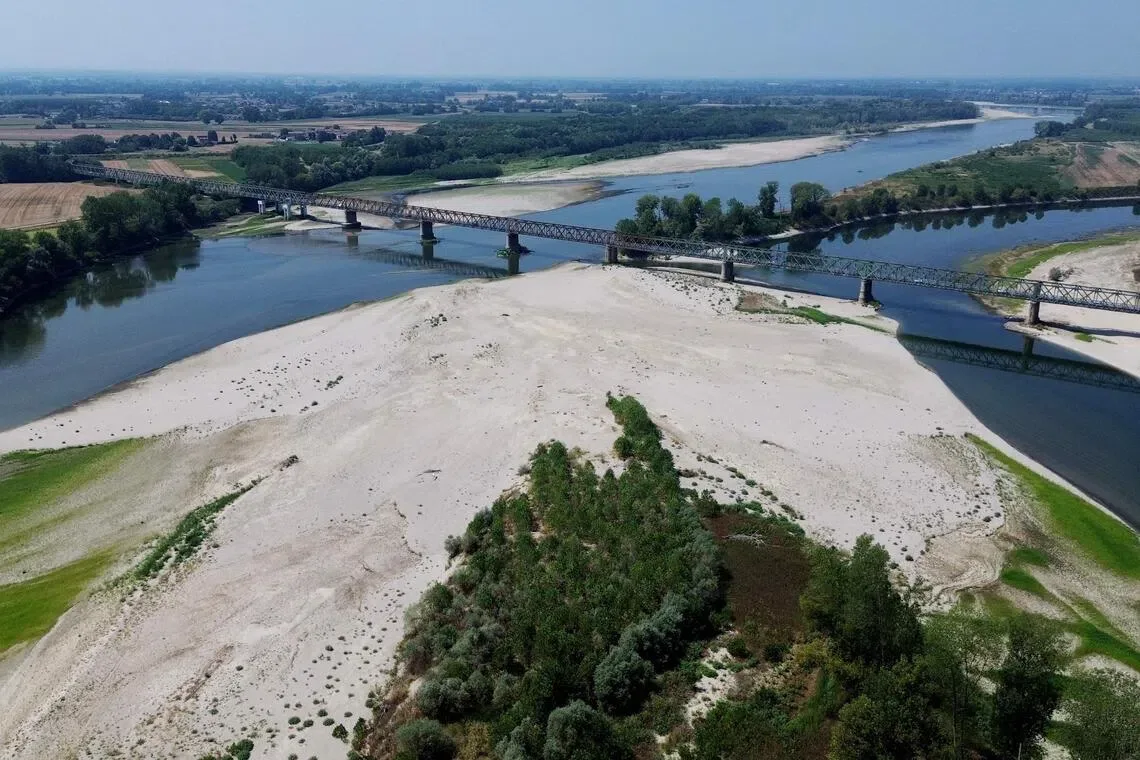
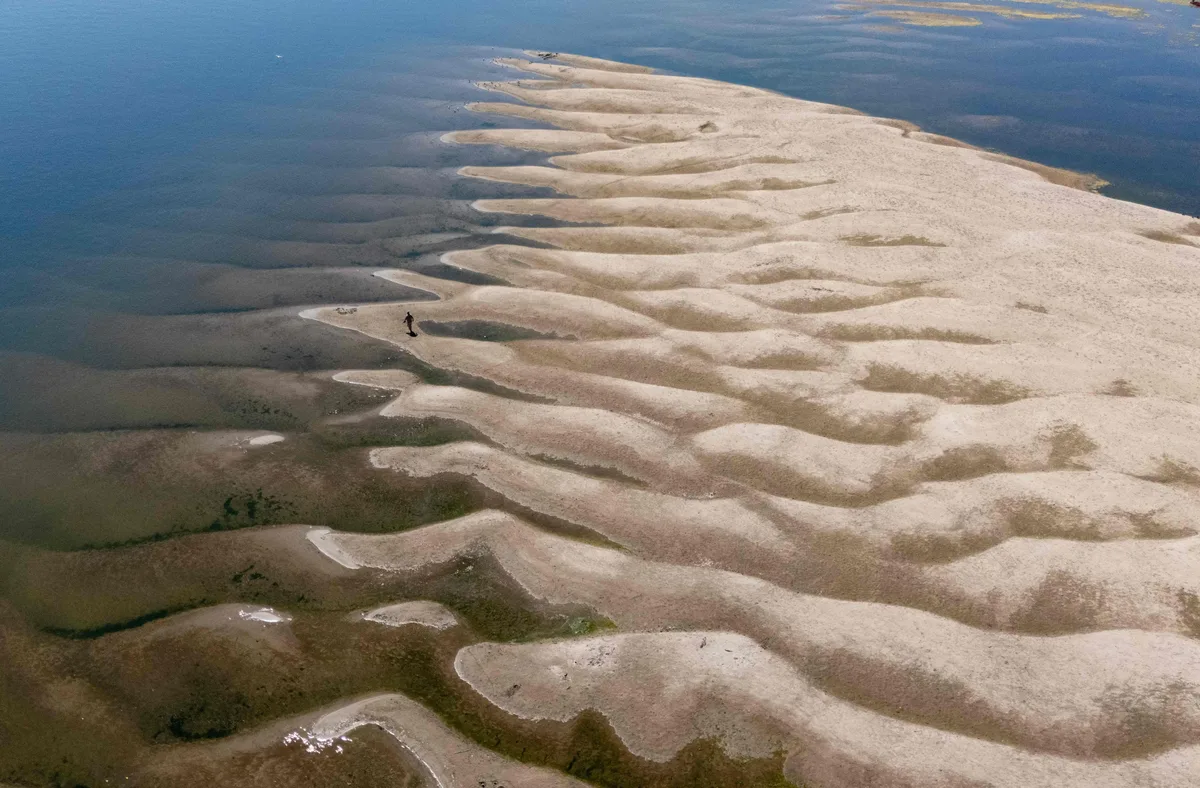
Several key rivers — the Rhine, Po, Danube, and Seine — have fallen to historically low water levels. The Rhine river at Kaub dropped to 16 cm on August 10, the lowest since records began in 1880, and forecasts indicated a further drop to 4 cm by August 12 due to heat and drought [2, 4]. Oliver Rakau, chief Germany economist at Oxford Economics, said low Rhine levels have disrupted chemical, metal, and construction firms reliant on river transport [4].
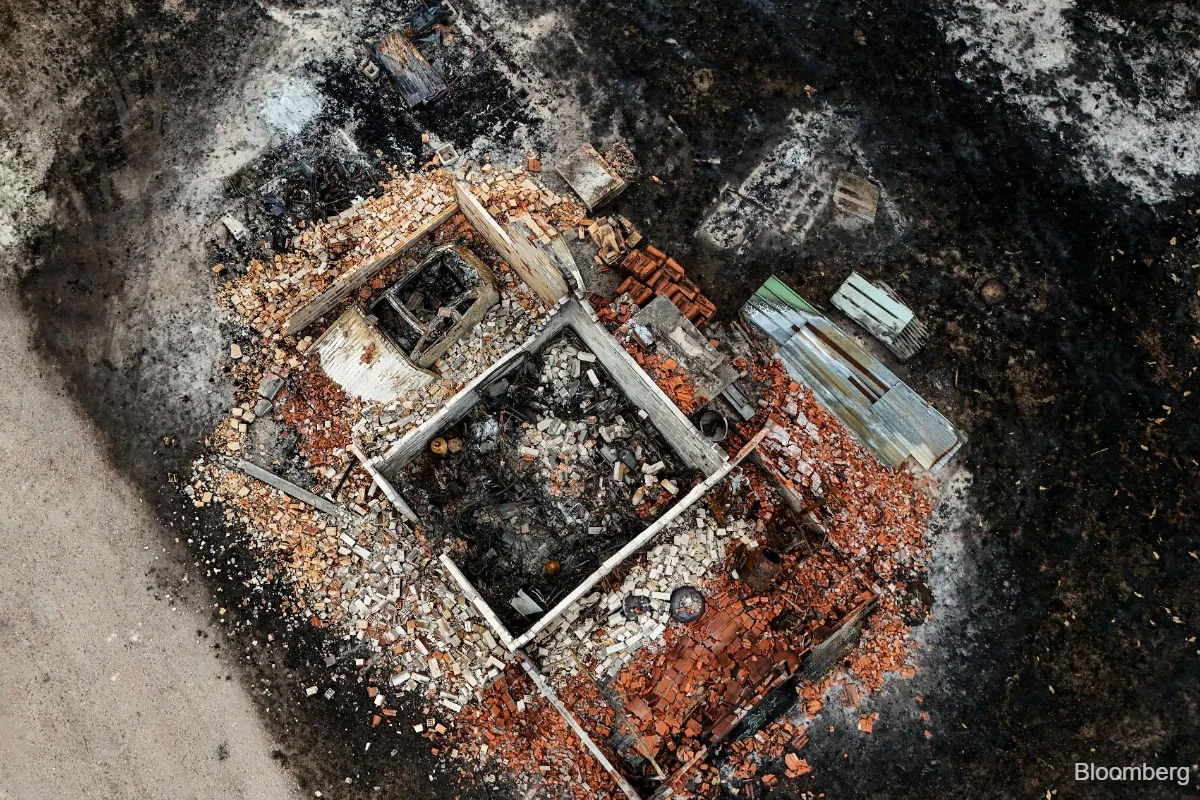
The heat and drought have severely damaged crops, with July harvests down 6-7% across Europe. Italy alone has suffered agricultural losses exceeding 3 billion euros [3, 1]. Wildfire risks have increased, prompting red heat warnings in Italy and Croatia and amber alerts across France, Switzerland, Poland, Southeast Europe, the UK, Spain, France, Germany, and Greece [2, 3, 4]. The economic losses from wildfires alone could exceed 19 billion euros [4]. Allianz estimates a 0.3 percentage point hit to regional GDP in June 2026 caused by wildfires and heat [3, 4].
Overheating rivers are also reducing nuclear and hydroelectric power generation, driving up power prices and increasing reliance on natural gas [2, 4]. Despite the escalating heat, only about 20% of European households have air conditioning compared to 76% in North America, leaving many vulnerable to dangerous conditions [4].
Residents report severe discomfort with some changing lifestyle habits. Sarah Weyenberg remarked that "repeated showers bring temporary relief but ultimately leave her feeling hotter," and Lorenzo Bazzana said, "It is clear we must equip ourselves and prepare, including mentally, to live with this climate" [1]. Irina Nedelcu said, "I used to like heat and hate cold, but starting this year, basta" [1].
July average temperatures in Western Europe hit a record 21.62°C, 2.79°C above normal for the month, as confirmed by the European Commission's Copernicus Climate Change Service [3]. On August 11, temperatures near 40°C were forecast in northern France, with mid-30s in southern England as the Swiss Re Institute issued heat risk warnings [2, 4].
The UK government held a special ministerial meeting on August 13 to address the record 43°C heat in Spain and unbearable local conditions reported by residents and tourists [1].
The heatwave, drought, and wildfire situations remain ongoing across the continent, with critical river levels expected to persist and risks of new wildfires high as the summer progresses [2, 4].