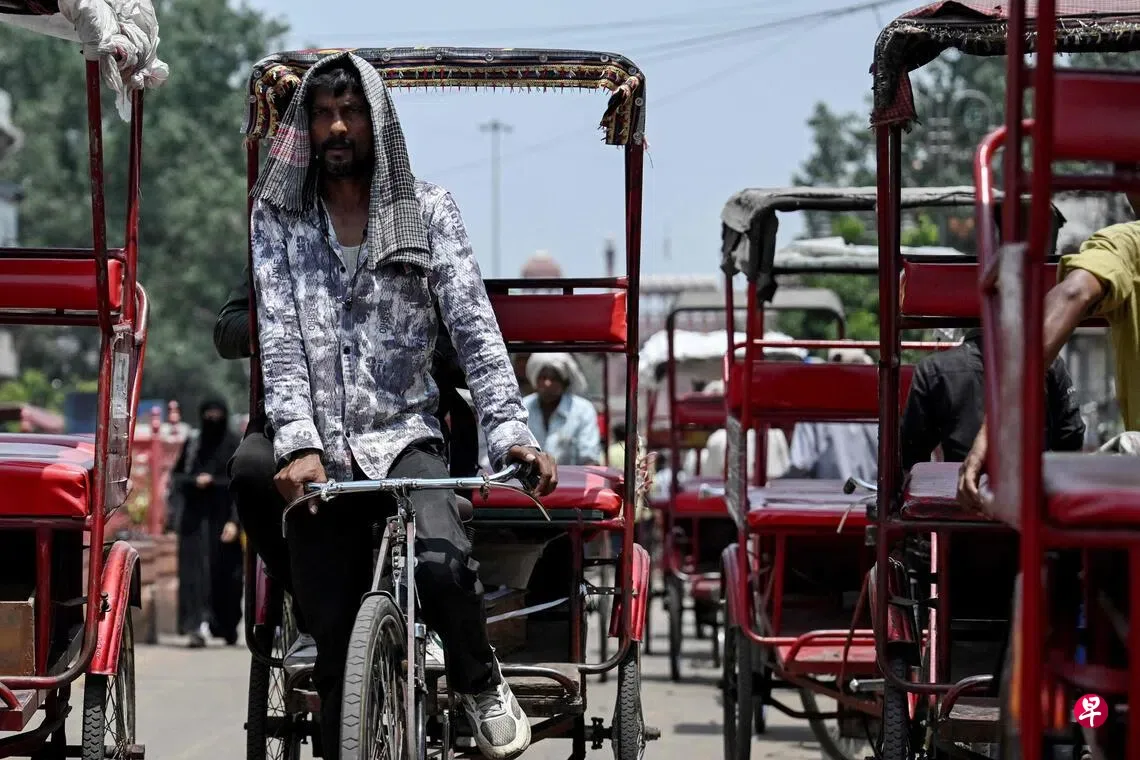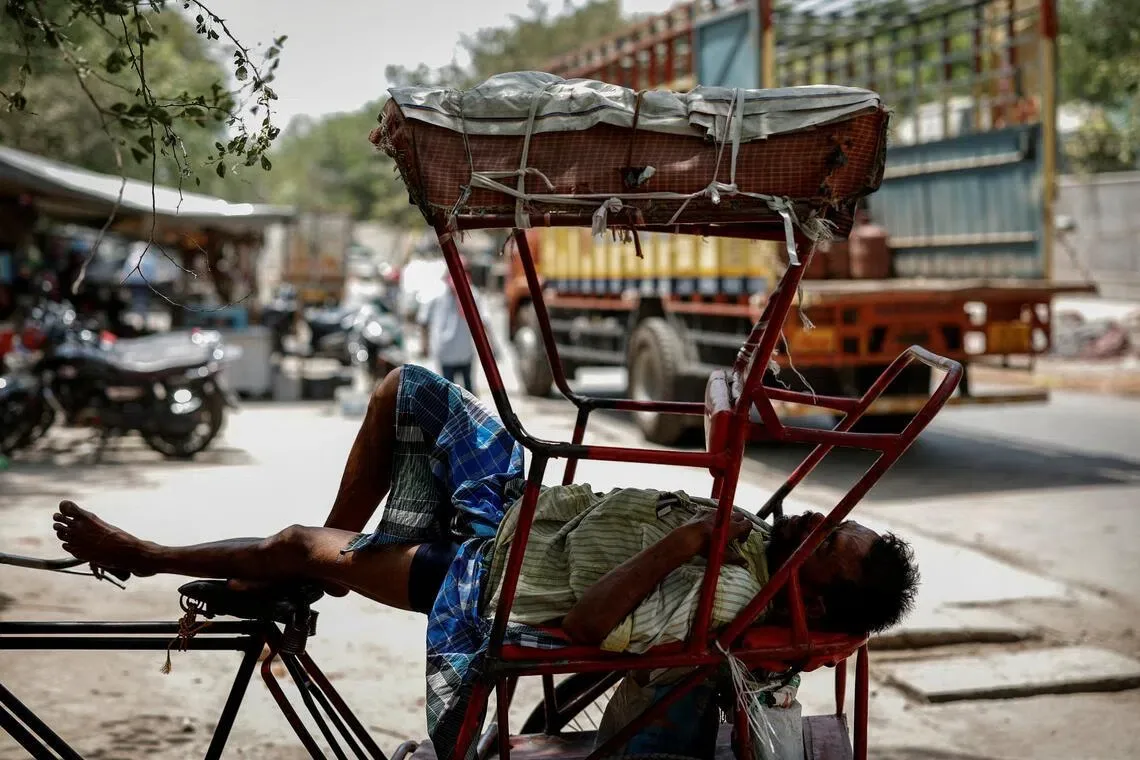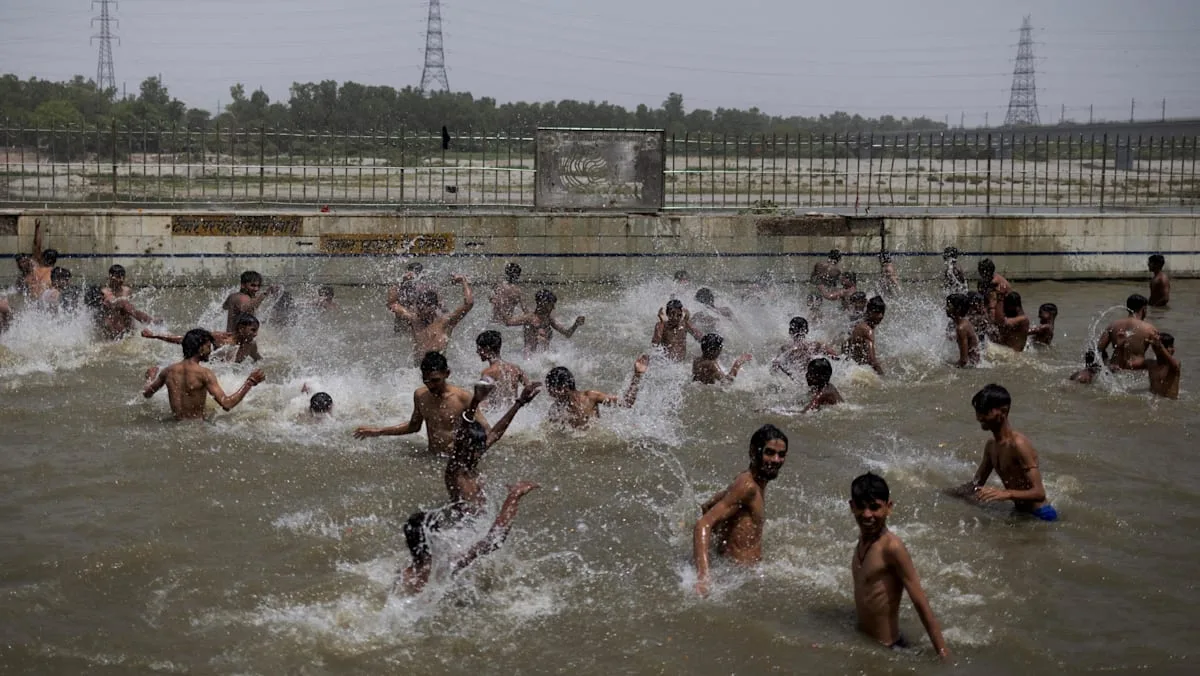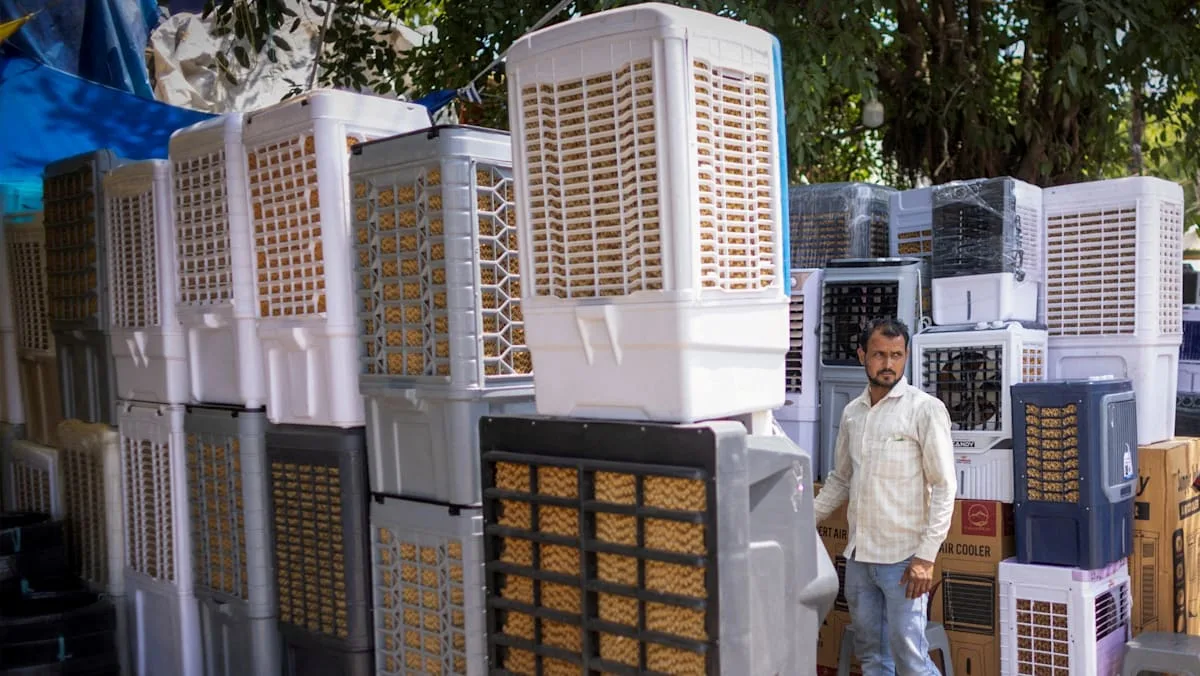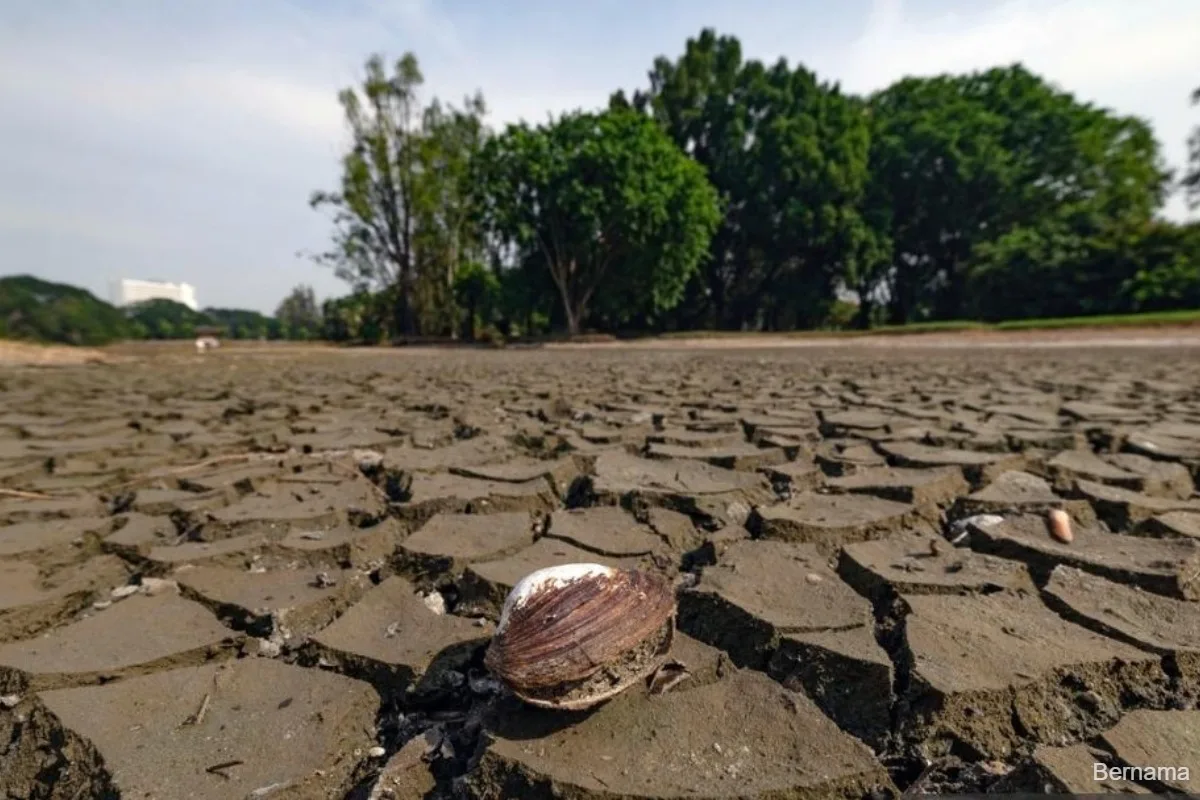
At least 16 people have died of heatstroke in the southern Indian state of Telangana during a severe heatwave this summer, local authorities confirmed on May 24. Telangana Revenue Minister Ponguleti Srinivasa Reddy described the heat as having "reached unprecedented levels," and urged officials to issue advance warnings and precautions for vulnerable groups including the elderly, children, and pregnant women [1, 2].
Across India, temperatures have recently soared above 45°C in multiple cities, with northern and central regions seeing peaks of up to 47.6°C. The India Meteorological Department (IMD) forecast above-normal temperatures and intense heatwave conditions earlier this week, affecting broad areas including New Delhi where temperatures consistently topped 40°C [3, 1, 4, 5]. On May 27, the city of Banda in northern India recorded 47.4°C, nearly 4°C above its normal highs [6].
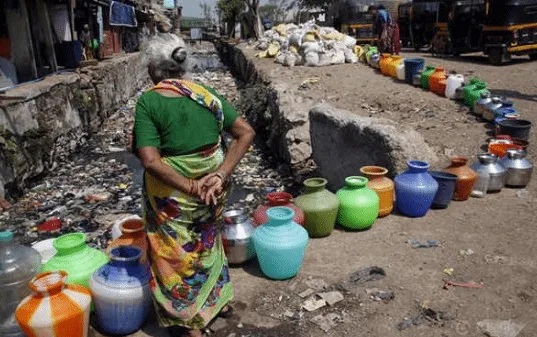
Nighttime temperatures remain high, around 34 to 35°C, offering little relief from the daytime heat. The extreme heat increases risks of dehydration, blood thickening, and organ failure [7, 6]. These conditions have worsened water shortages in some regions, forcing residents to walk long distances for drinking water [5, 8]. Record power demand has also strained India's aging electricity grid, leading to outages and dangerous measures such as workers pouring water on overheated transformers to prevent blackouts [3, 9].
Agriculture has seen considerable damage, with wheat yields down by 40% in some areas. Rising food prices and economic stress have followed; estimates put the GDP loss related to the heatwave at 5.4% [8, 10]. Livestock deaths and reduced labor productivity have added to the impact [8].
India’s highest recorded temperature remains 51°C, measured in Phalodi, Rajasthan, in 2016 [3]. As the world’s most populous country and third-largest greenhouse gas emitter, India relies heavily on coal power and has committed to reaching net-zero emissions by 2070 [3]. Climate experts link the current heatwave to both climate change and the El Niño phenomenon, causing longer, hotter heatwaves [3, 11, 8].
Prime Minister Narendra Modi addressed the nation with a warning: "This extreme heat is a test for all of us. I urge everyone to take all necessary preventive measures" [6]. Telangana authorities have advised at-risk groups to avoid going outdoors during the hottest parts of the day [1].
The India Meteorological Department will continue to monitor temperatures and issue alerts as the heatwave persists in multiple regions.