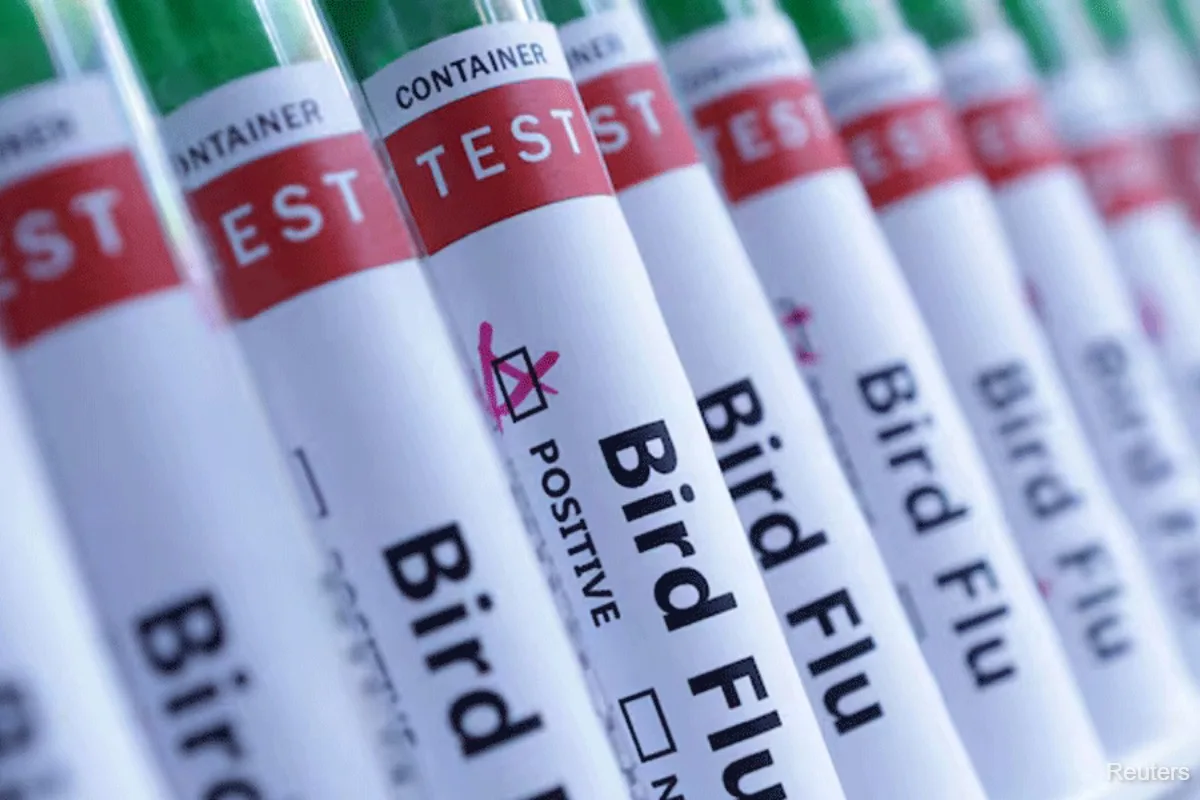
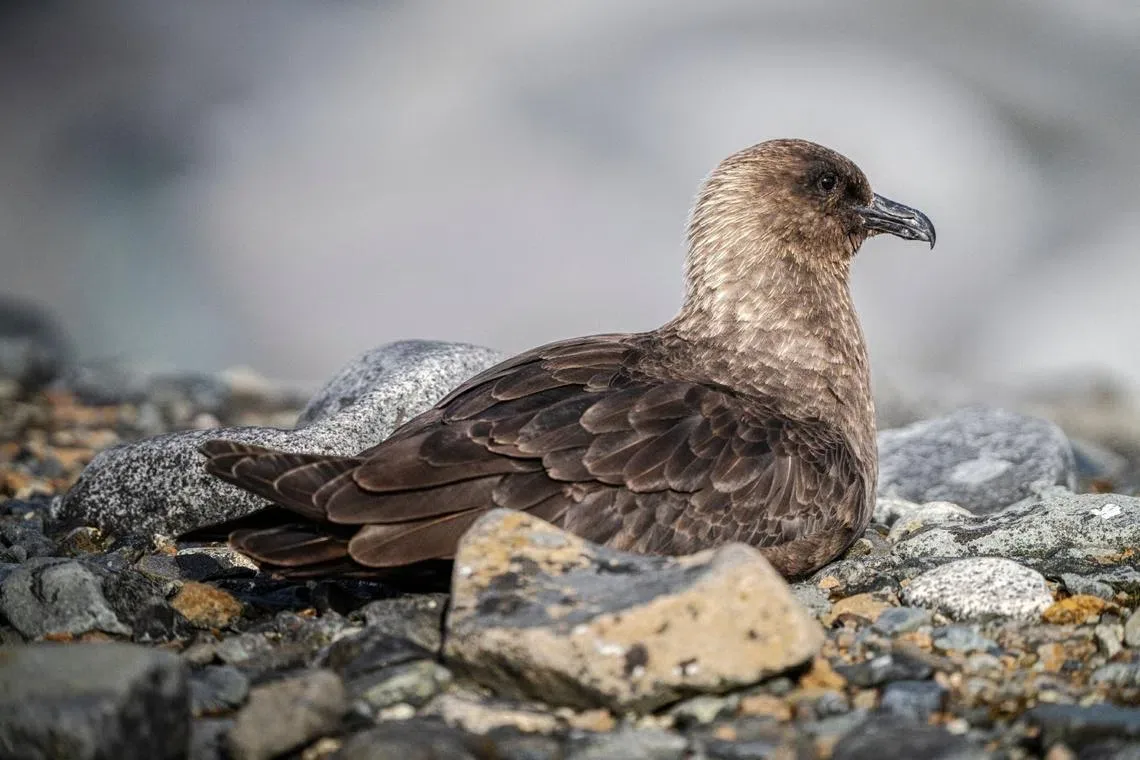
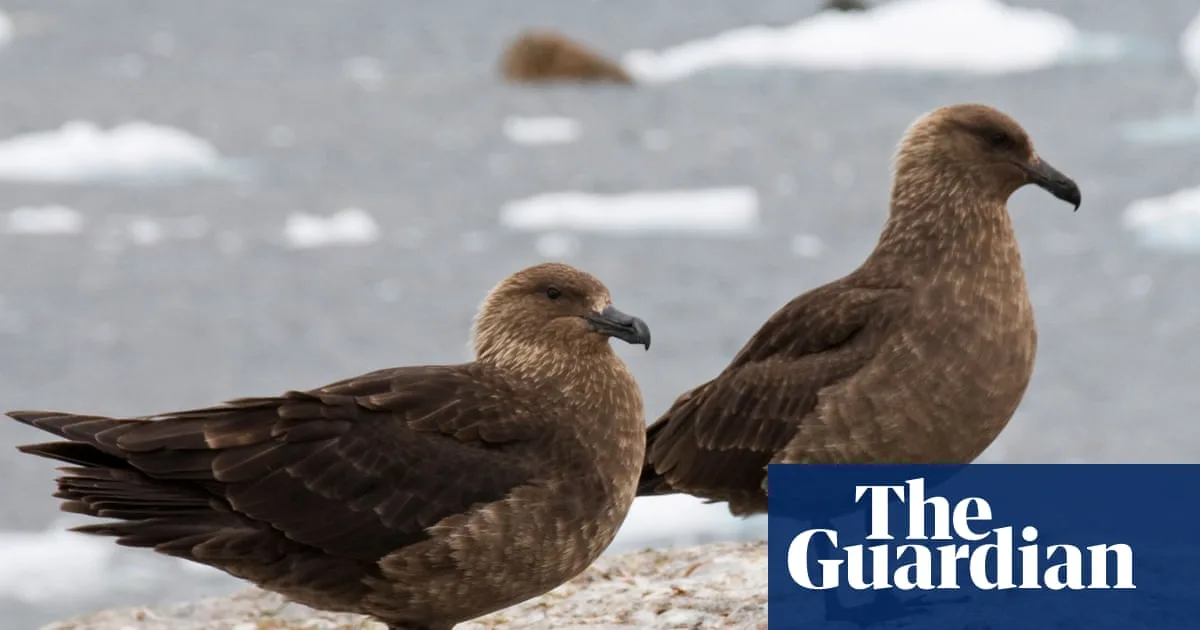
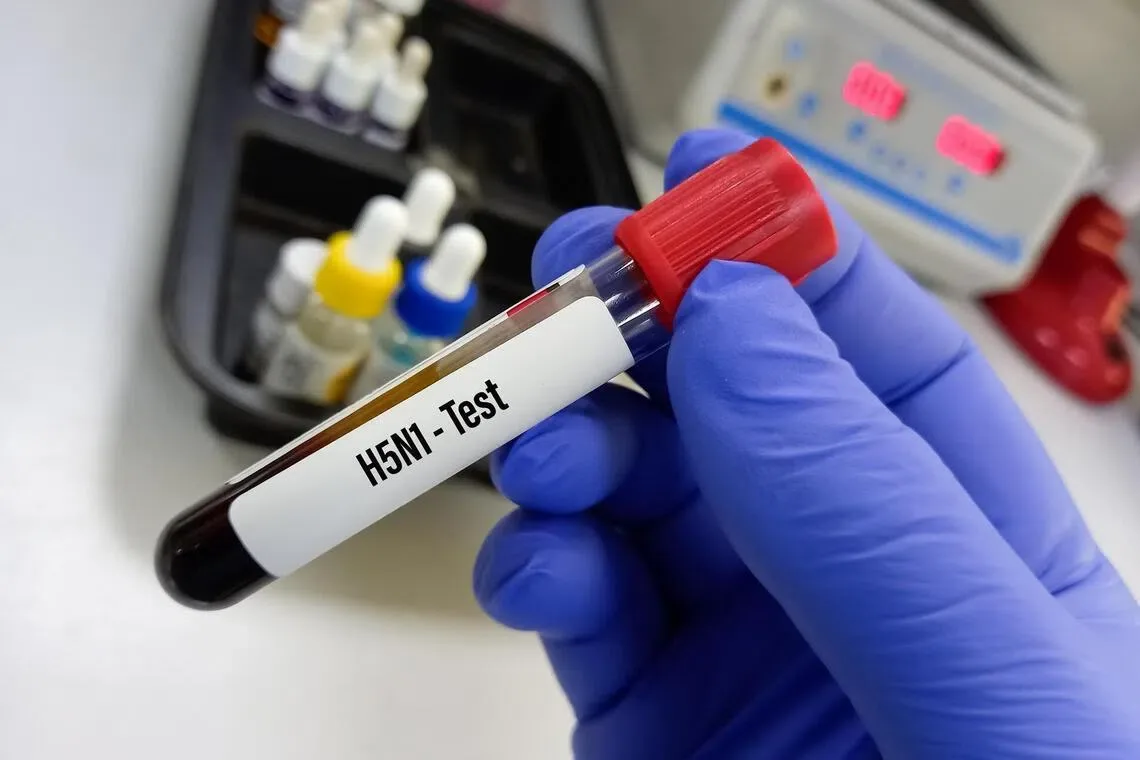
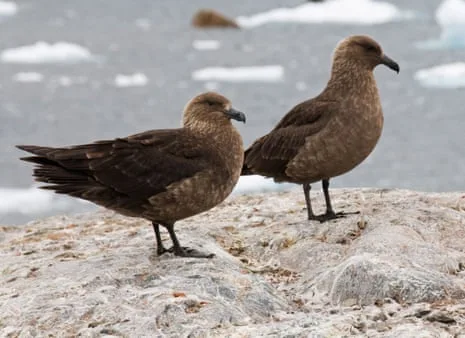
New Zealand confirmed its first case of the deadly H5N1 bird flu in a migratory brown skua found near Wellington on July 10 and confirmed between July 13 and 15, marking the virus's detection in the country’s wild birds [1, 2, 3, 4, 5].
Shortly after, a native swamp harrier hawk tested positive for H5N1 on July 17 in the Wairarapa region, representing the first native bird infection recorded [6]. Biosecurity Minister Andrew Hoggard said, "There is no evidence of any mass mortality in wildlife or transmission between wild birds in New Zealand. There has been no detection in poultry," reassuring the public on the current containment [1].
New Zealand’s bird populations are especially vulnerable because many species evolved without predators and some are flightless and endangered. Professor James Russell of the University of Auckland warned, "Bird flu is an unwelcome threat to our bird species who are already under more extreme and multiple pressures than ever before," while Massey University’s Brett Gartrell said, "If it spreads quickly in New Zealand, we could be in trouble ... those core group of birds that (officials) want to protect with the vaccination won't be fully immune if it spreads too quickly" [2, 3].
Following the detections, authorities started vaccinating 300 core breeding birds from five of New Zealand’s most endangered species, including the kākāpō and takahē, aiming to protect them from the threat [1, 2, 3, 6, 4, 5].
The virus appeared in Australia in June and early July 2026, the last continent to confirm H5N1, with 14 confirmed or presumed cases reported by mid-July [1, 2, 6]. Andrew Hoggard noted that the swamp harrier hawk can contract bird flu by hunting or scavenging infected birds, highlighting transmission risks in the wild [6].
Health officials emphasize that the public health risk remains low. Hoggard said, "H5 bird flu poses a low risk to public health because it rarely infects humans unless there is direct, close, and prolonged contact with large numbers of sick birds" [5]. Authorities urge the public not to touch sick or dead birds and to report sightings of three or more sick or dead birds to the pest and disease hotline [3, 4, 5]. Poultry products remain safe to consume if cooked thoroughly [4, 5].
The vaccination program for the endangered birds is ongoing as officials monitor any changes in the virus’s spread among wild populations in New Zealand.