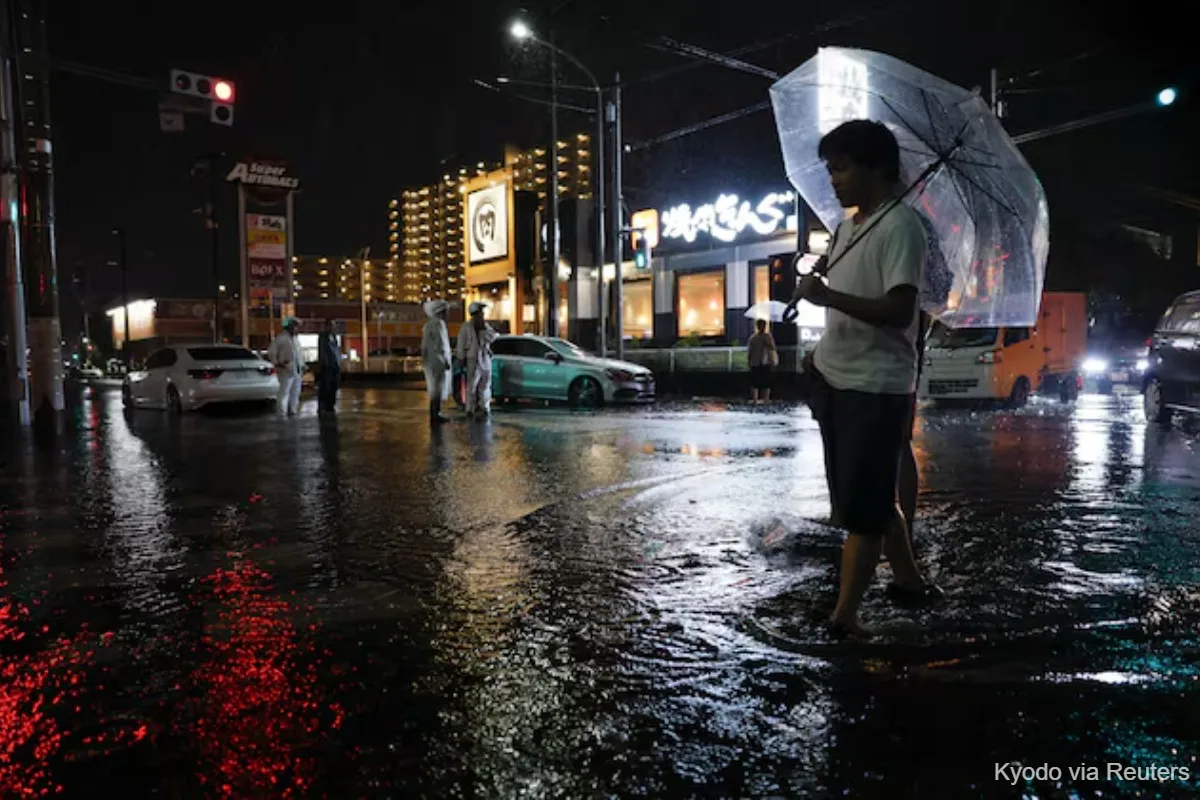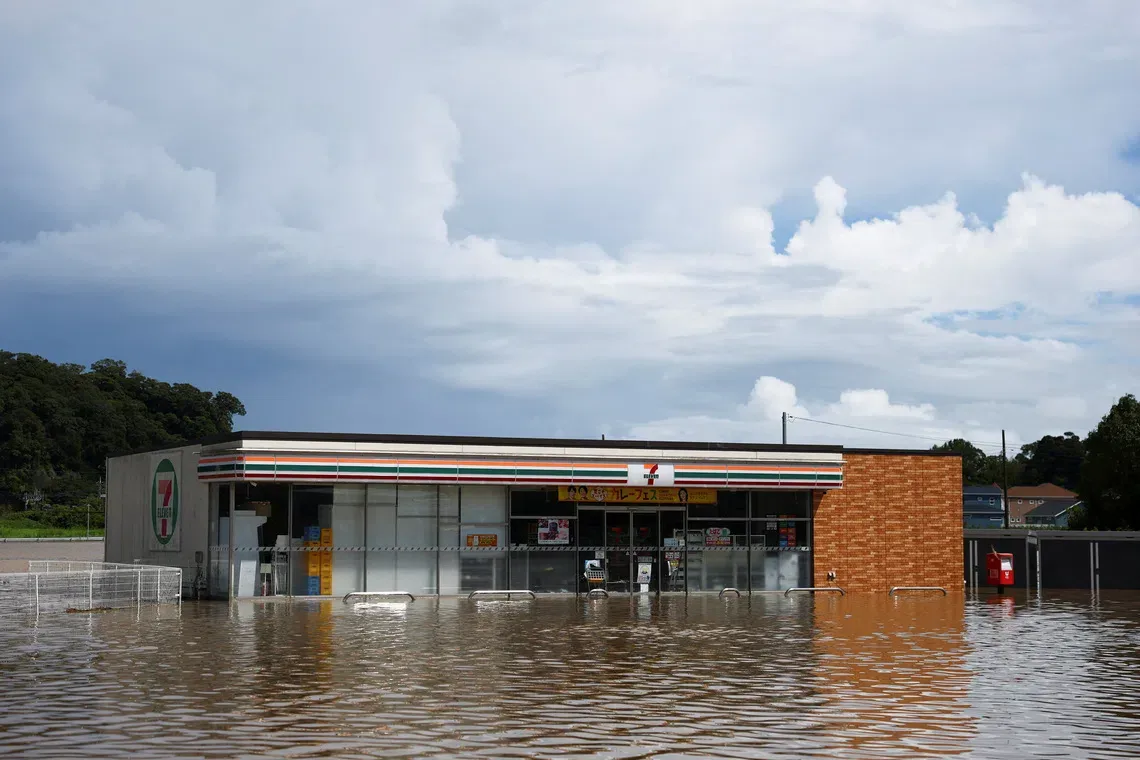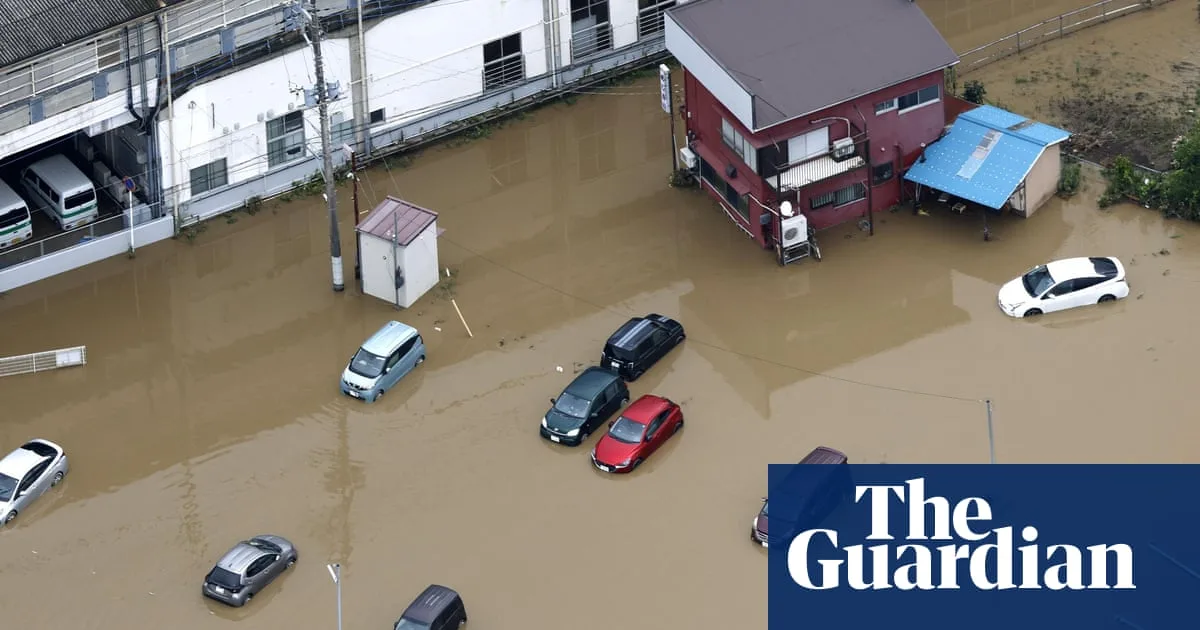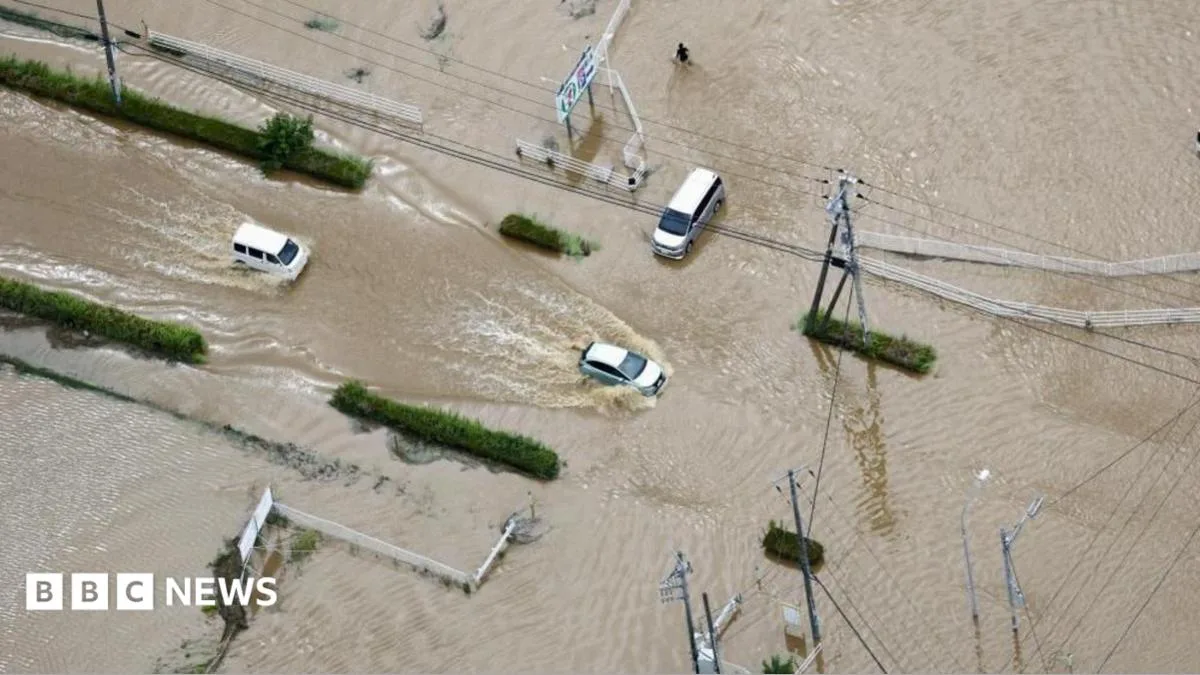
At least nine people have died in eastern Japan due to unprecedented record rainfall and flooding, officials said on August 16, 2026 [1, 2, 3]. The worst-hit area was Chiba prefecture, which borders Tokyo, where over 360 millimeters of rain fell within 24 hours [4, 5, 6, 7]. The Japan Meteorological Agency issued its highest Level 5 emergency warning for heavy rain and landslides in Chiba [8, 9, 2, 3, 10].
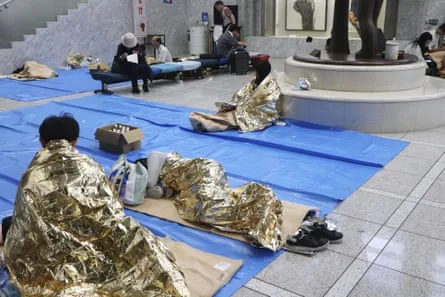
More than 20,000 to 26,000 households lost power across Chiba amid flooding and landslides that disrupted roads and suspended rail services [8, 7, 10]. Evacuation orders were issued for over 400,000 people in Chiba and surrounding areas, with thousands taking shelter at government buildings including about 1,700 at the Chiba prefectural government building [9, 7, 11, 3]. Chiba Governor Toshihito Kumagai said, "This case was an extremely unusual situation, even by Japan’s historical weather standards. I have responded to many disasters in the past, but I have never experienced a case like this" [8, 4, 12].
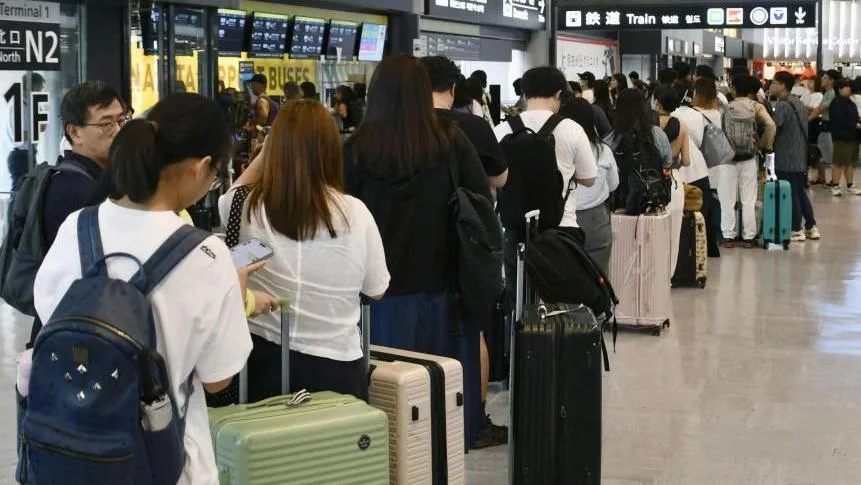
About 7,000 travelers were stranded overnight at Tokyo's Narita airport due to flooding-related transport disruptions, although flights operated normally on August 14 and 15 with some delays but no cancellations expected [8, 4, 5, 6, 9, 12, 2, 3]. One stranded passenger said, "I never thought I’d spend the night at the airport but it is what it is and we are learning. We’re never going to forget this trip." [10]
Among the fatalities were a woman trapped in her submerged car and a man found floating on a flooded road [8, 9, 12, 7, 10]. The highest hourly rainfall recorded in Chiba was between 100 to 115 millimeters [8, 9]. More than 1,000 houses were flooded or partially destroyed in the region, and power outages combined with landslides severely disrupted transport networks [1, 8, 6, 7].
The rain resulted from a convergence of warm humid air and cold air creating unstable atmospheric conditions, according to meteorological officials [8]. The heavy rains struck during Japan’s busy Bon Buddhist holiday week, exacerbating the impact on travel and evacuation efforts [4, 6, 7, 11, 10].
Kazuhito Shimamoto from the Ministry of Land, Infrastructure, Transport and Tourism urged residents to act early to protect their lives near rivers with high flood risk, "Please check the evacuation advisories issued by your local municipalities and evacuate early" [9].
Authorities continue rescue and relief operations as evacuation orders remain in place for more than 400,000 residents in and around Chiba [9, 7, 2, 3]. Disaster management offices released updated damage and casualty statistics on August 16, confirming the death toll and the extent of flooding damage [1, 2, 3].