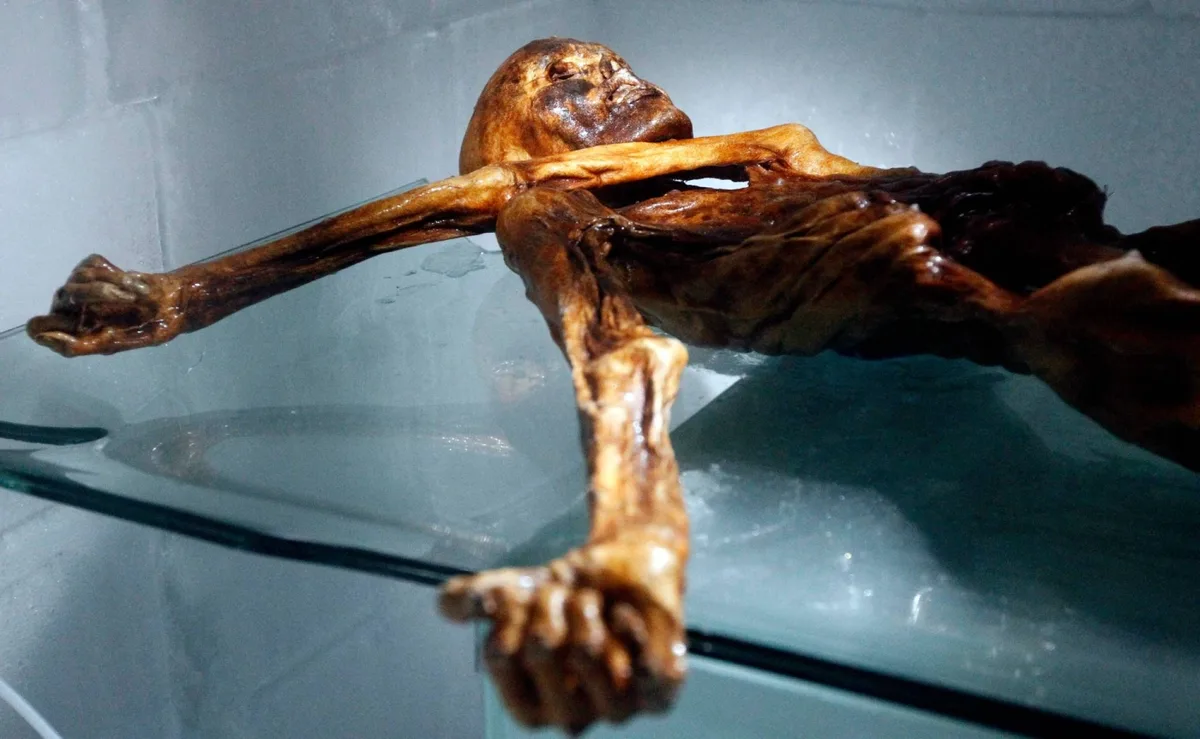
Scientists have identified yeast that has survived for more than 5,300 years inside the gut of Oetzi the Iceman, a frozen mummy discovered in the Alps on the Austria-Italy border [1, 2, 3]. Oetzi lived over five millennia ago and was killed by an arrow near 3300 BCE, according to researchers [1, 2, 3]. His mummified remains were found in 1991 by two German hikers in South Tyrol, northern Italy, and have been preserved at a constant -6°C since then to allow detailed study [1, 2, 3].
Italian scientists discovered four distinct types of yeast in Oetzi’s gut, his skin, and the water that melted from his body. These yeasts are able to endure sub-zero temperatures, a rare trait that likely helped them survive the millennia intact [1, 3]. Genetic tests indicate the yeast entered the Iceman’s body shortly after his death, surviving frozen until modern analysis [1, 3].
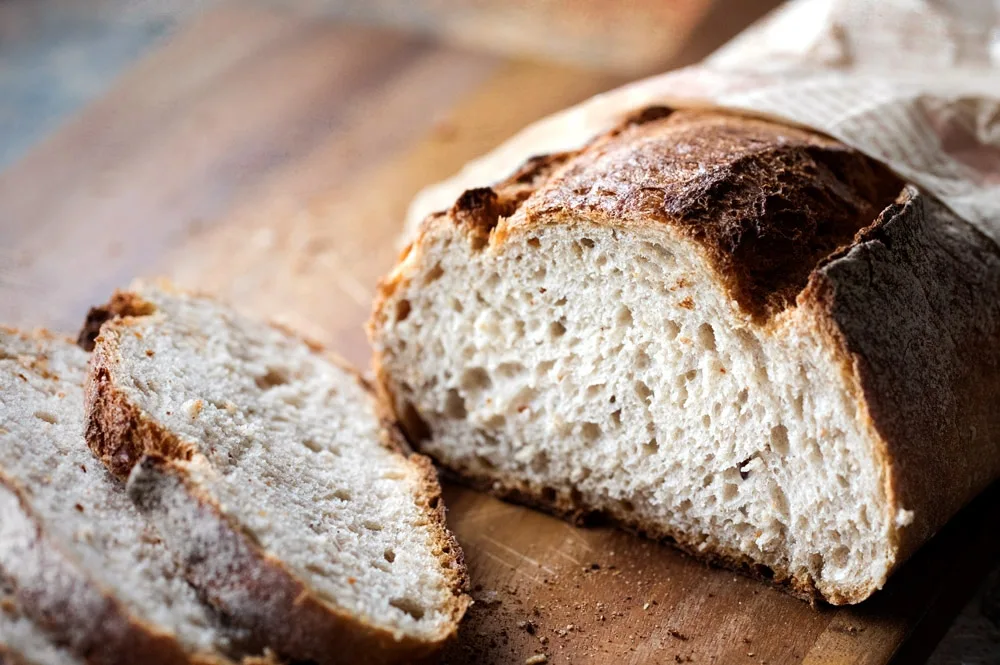
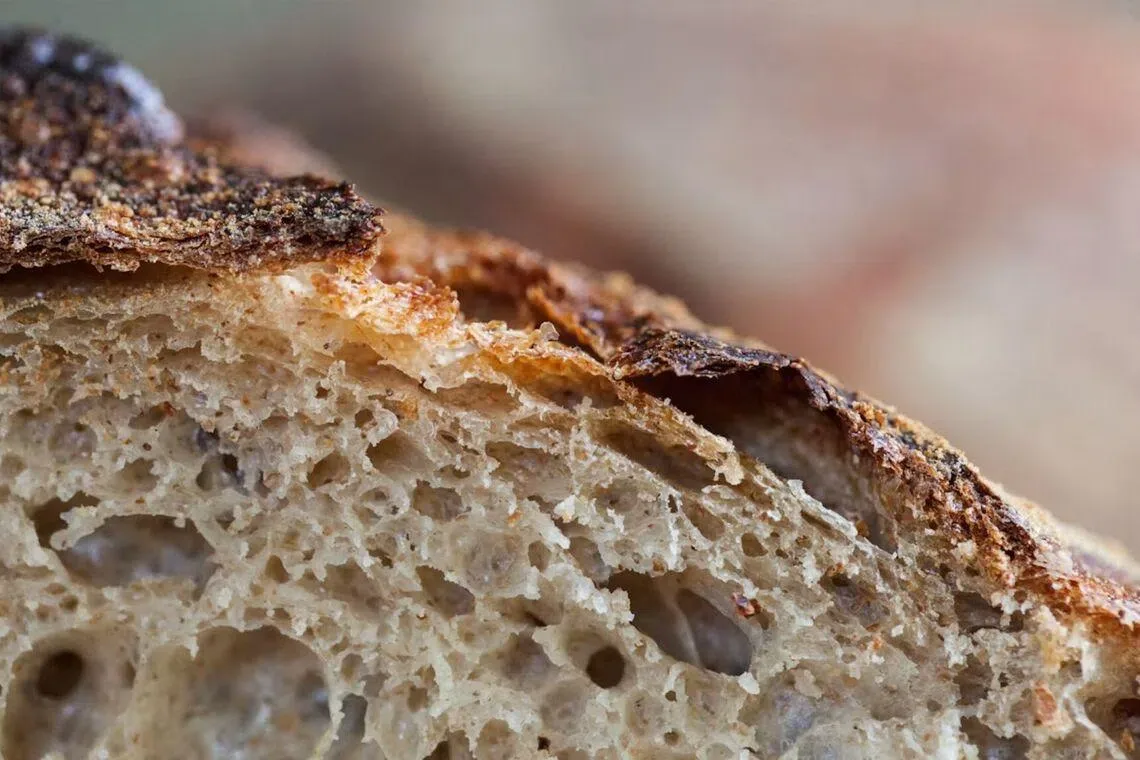
After isolating the yeast, researchers cultured it in a refrigerator environment. Mohamed Sarhan, a lead author, said, "If you tell anyone you have yeast, they immediately ask: Can we use it for bread?" Initially, attempts were unsuccessful, but after about three months, the team produced a "very, very good sourdough" using the ancient yeast [1]. Sarhan added the yeast’s potential for brewing beer is "on the list" for future experiments [1].
Frank Maixner, another lead scientist, remarked, "These yeasts have accompanied Oetzi on his long journey through the millennia" [1]. The findings demonstrate a rare instance of microorganisms preserved for thousands of years in a frozen state.
The study was published today, June 3, 2026, in the journal Microbiome [1, 3]. The research opens new avenues for exploring ancient microbes and their possible applications in food and beverage production.