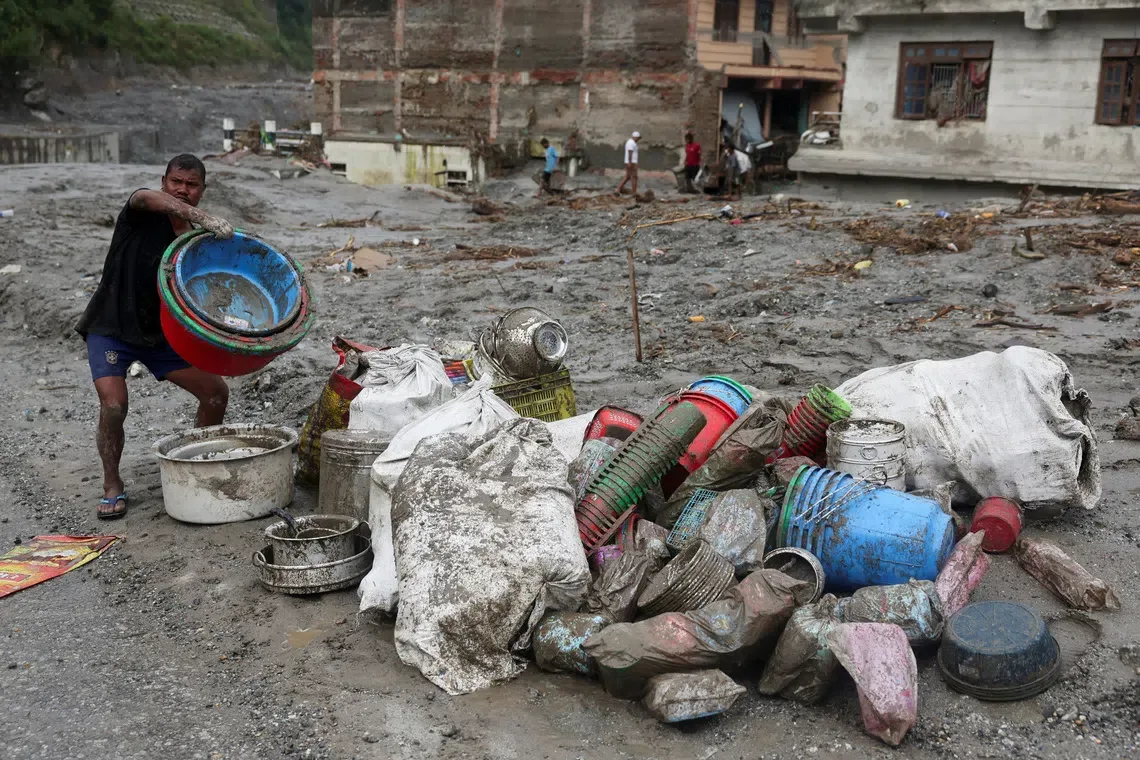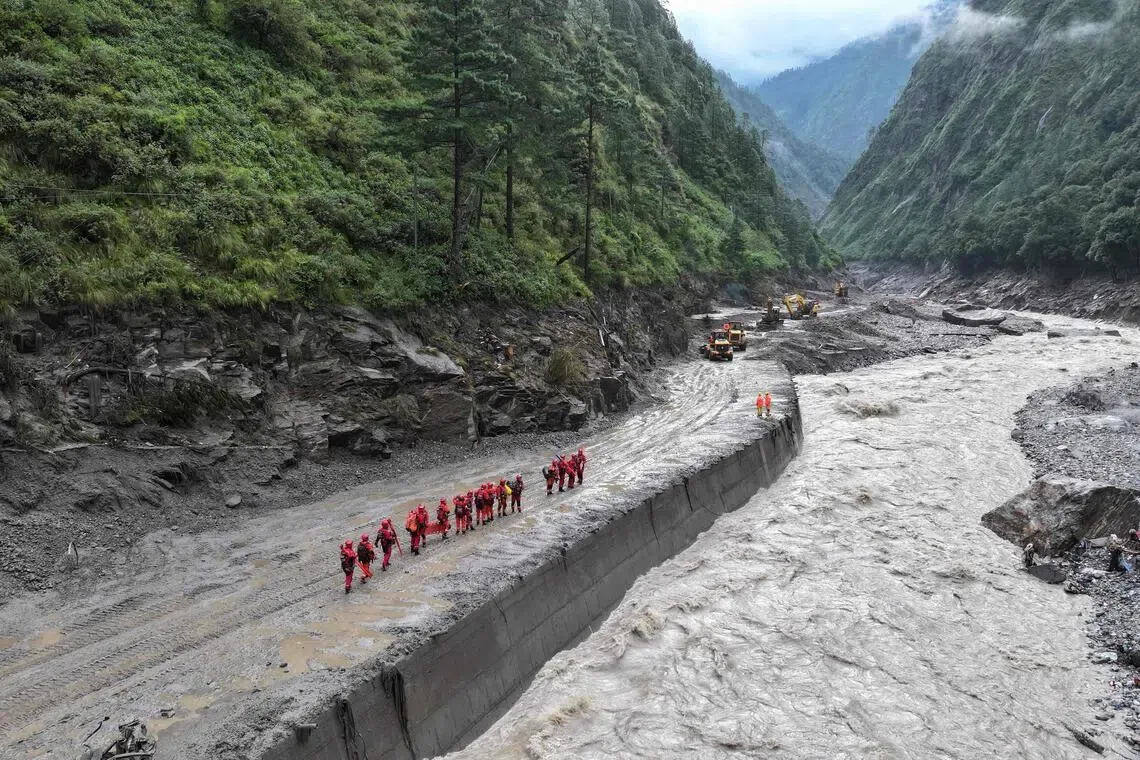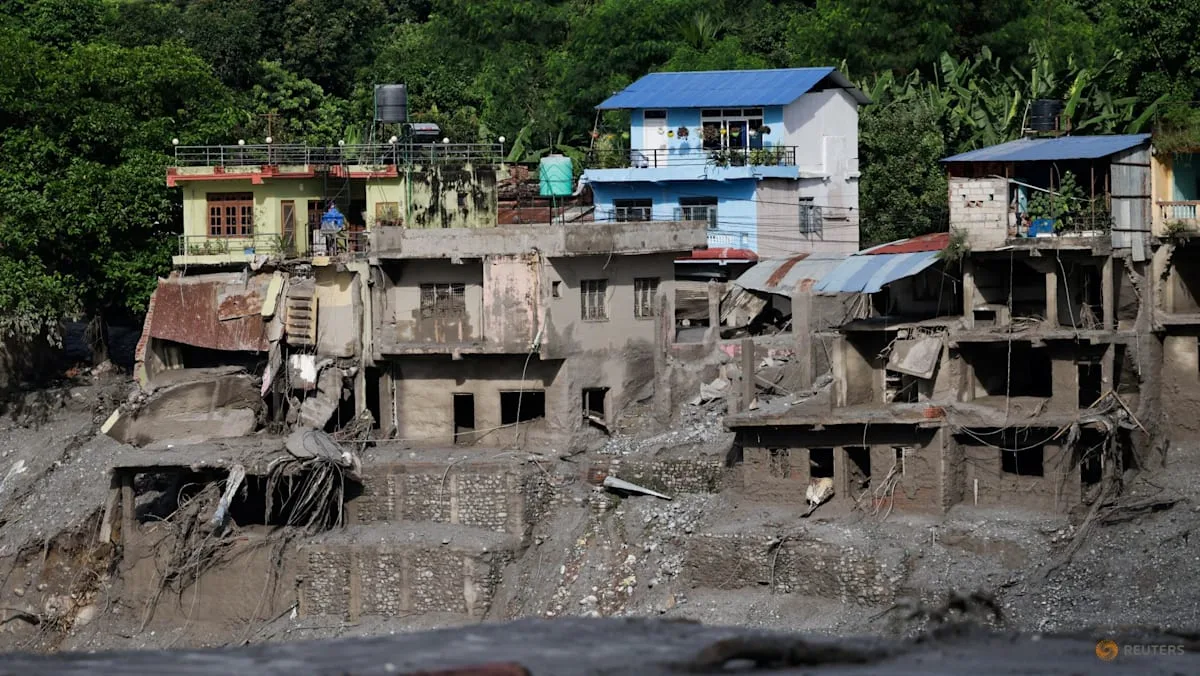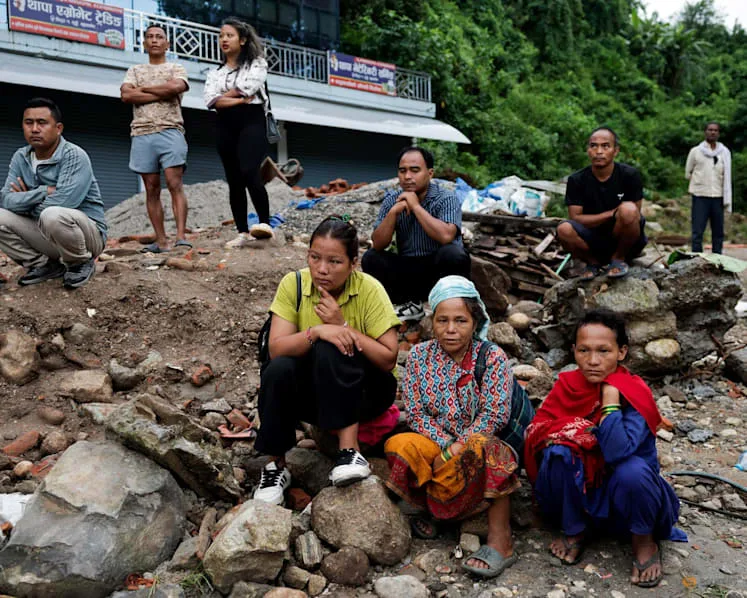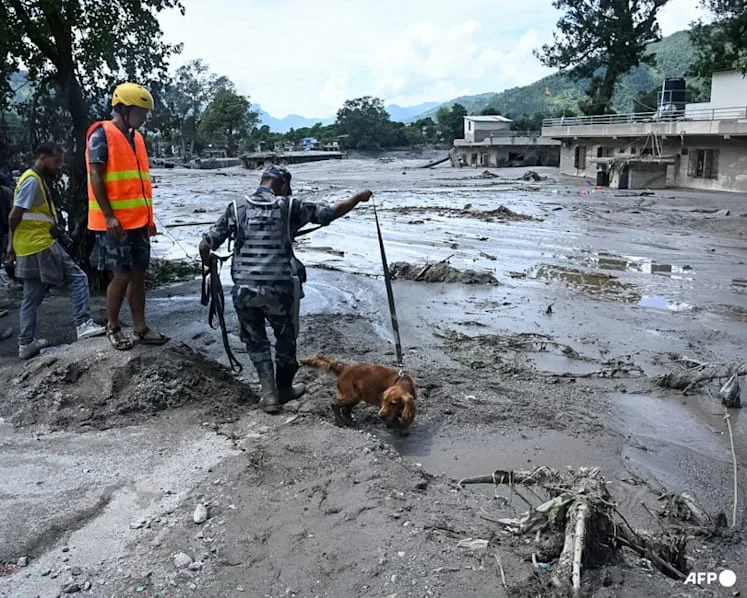
The Singapore Red Cross (SRC) pledged S$50,000 (US$39,000) to support humanitarian relief for the devastating floods near the Nepal-China border that began after a glacier collapse on August 26, 2026 [1, 2]. The SRC launched a public fundraising appeal on August 28, open until November 30, backed by an initial US$100,000 (S$127,000) from the Singapore government as seed money [1, 3, 2].
The floods have caused widespread destruction, with the confirmed death toll rising to 475 as of August 28, and close to 1,000 reported missing according to SRC and government sources; Mercy Relief reported nearly 3,000 missing and at least 600 deaths as of August 29, highlighting the difficulty in assessing the full impact amid ongoing rescue efforts [3, 4]. Nine Singaporeans are among those still missing [1, 3].
Benjamin William, SRC secretary-general and chief executive, said, "The devastating situation continues to unfold - over a thousand people are missing, many thousands of families are affected, and livelihoods have been severely disrupted. Critical infrastructure has been severely damaged, making it hard to reach the remaining communities. There are warnings of further flooding, and the extent of the devastation might still grow" [1].
SRC has activated its Restoring Family Links service to help reconnect those displaced or separated by the disaster in Nepal and Tibet [1, 2]. Meanwhile, Mercy Relief is preparing to deliver emergency aid including food packs, shelter kits, and WASH (water, sanitation, and hygiene) kits to flood-affected communities in Nepal [4]. Leon Yip, Mercy Relief chief executive, highlighted the challenges of multiple disasters in a short span, saying, "With the support of our ground partners and the Singapore public, we hope to deliver the emergency aid during our humanitarian missions to the Philippines and Nepal" [4].
Vidas Varma, Mercy Relief international programmes manager, emphasized the importance of ground coordination: "They know which households have been missed, and help us continue our work with the vulnerable communities. This ensures that aid is always delivered to where it is actually needed" [4].
Access to affected areas remains difficult due to severe damage to critical infrastructure, hampering aid delivery and rescue operations [1, 2]. Authorities have warned of the possibility of additional flooding.
The SRC fundraising campaign will remain open until November 30, 2026, to collect public donations to support ongoing humanitarian needs in flood-affected communities in Nepal and Tibet [1, 3, 2].