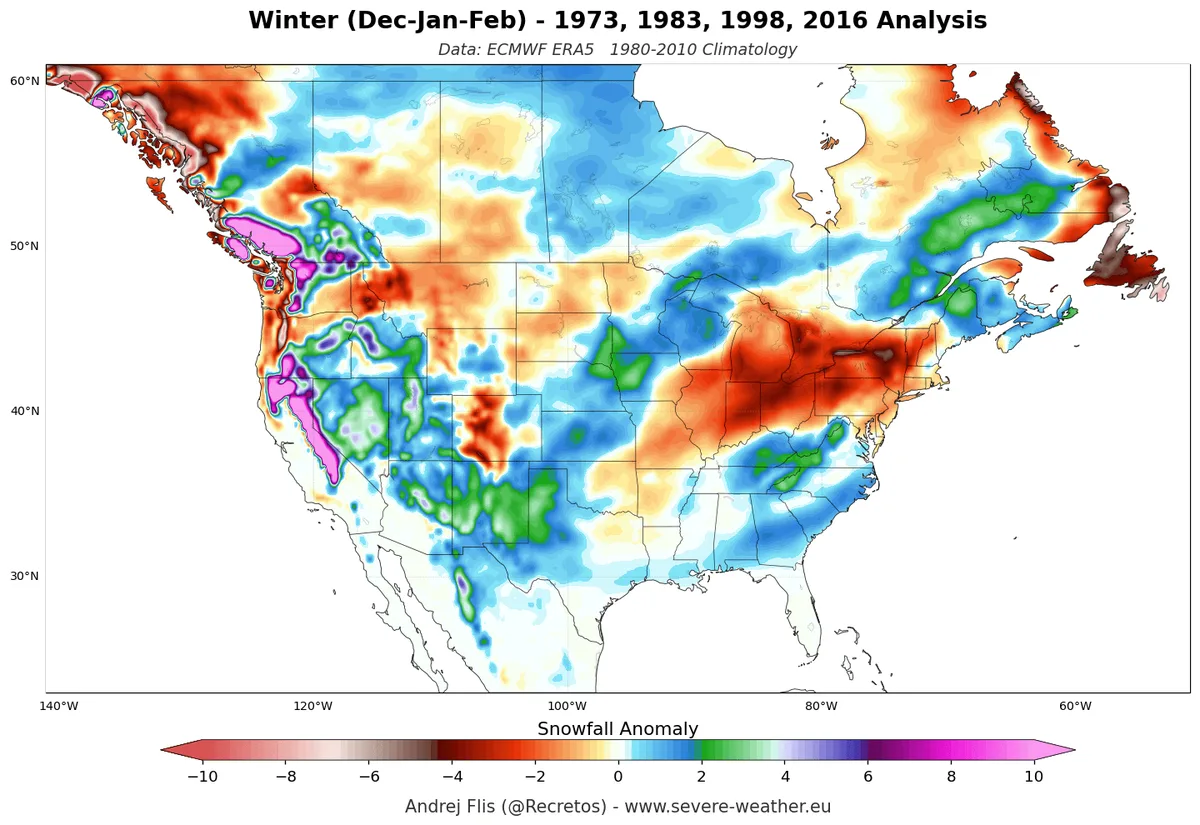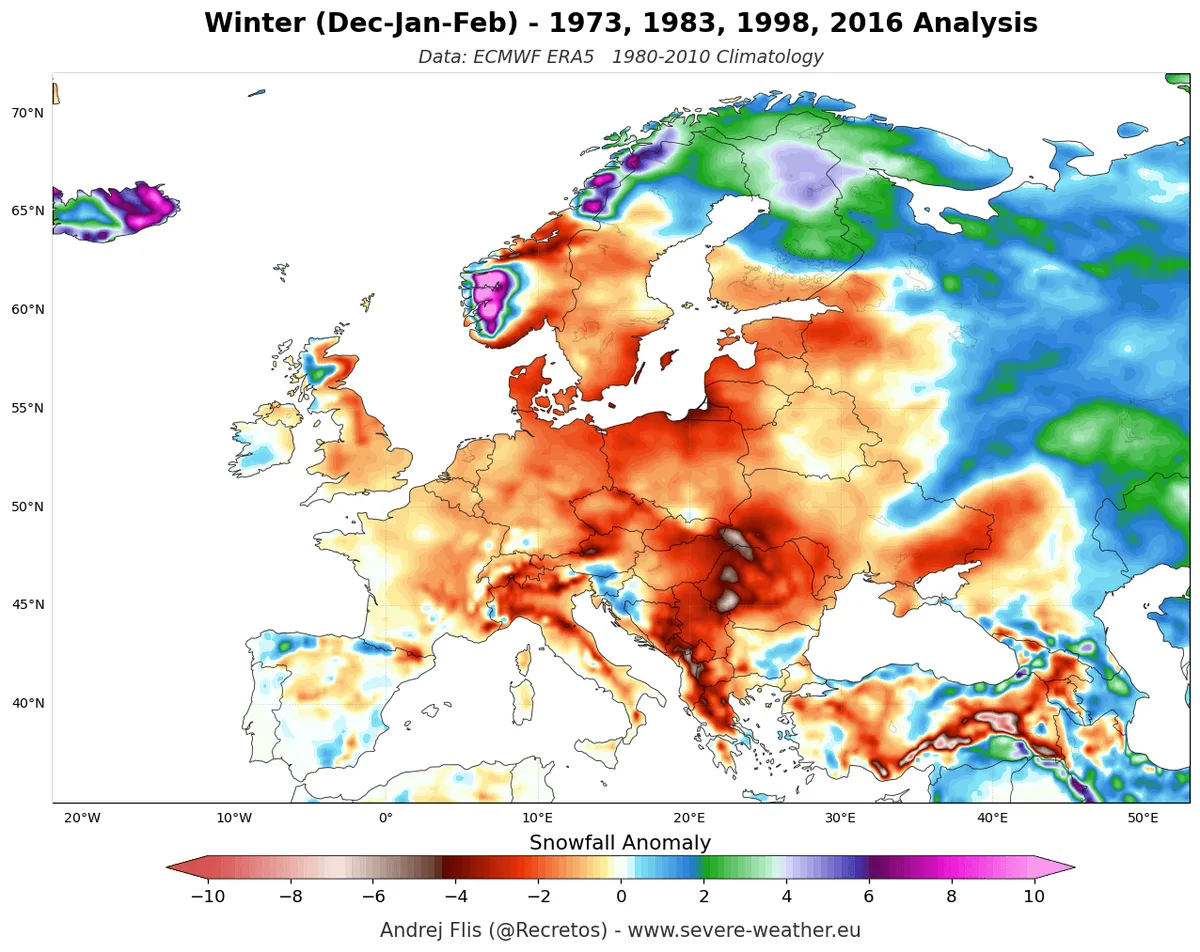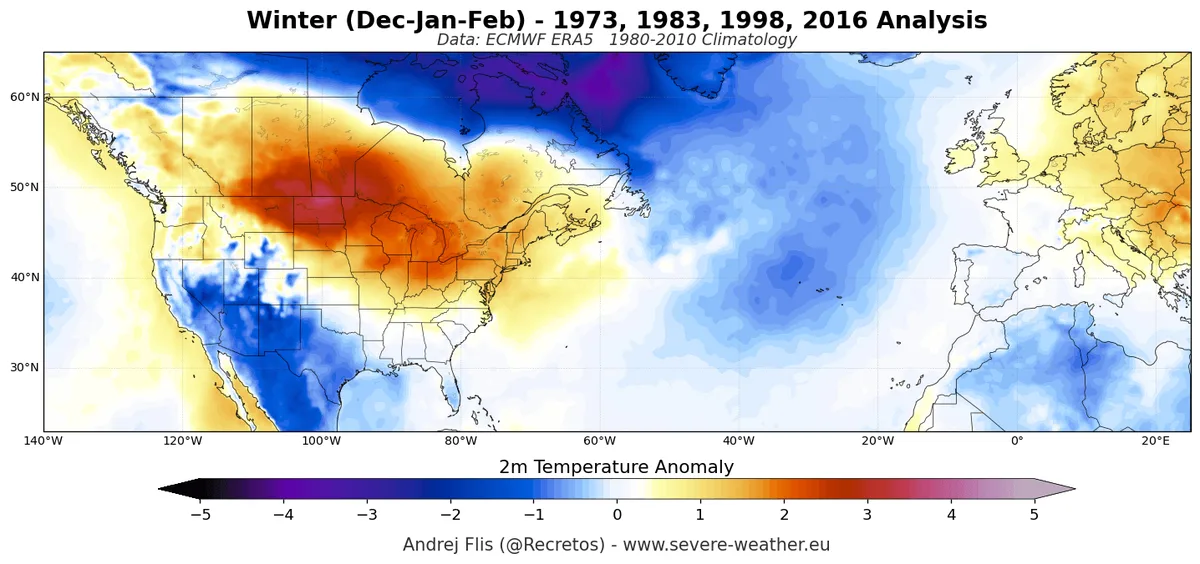
The United Nations World Meteorological Organization (WMO) officially announced today that a very strong or super El Niño event is underway and expected to peak toward the end of 2026, persisting until around February 2027 with near 100% likelihood [1, 2, 3, 4, 5, 6, 7, 8, 9]. UN Secretary-General António Guterres said, "El Niño is being supersized before our eyes. The science leaves no room for doubt: the planet is in uncharted waters, and those waters are heating up," highlighting the risks of extreme weather as sea surface temperatures climb [1].
El Niño is a natural climate phenomenon occurring every 2 to 7 years that features unusually warm sea surface temperatures in the central and eastern tropical Pacific Ocean lasting 9 to 12 months. This year's event is exceptional, with surface temperature anomalies in the Niño 3.4 region reaching +2.2 to +2.6 degrees Celsius above average from late July to mid-August 2026. Subsurface ocean temperatures exceeded 8 degrees Celsius above normal in some areas during July and August, indicating a massive heat buildup fueling the event [1, 2, 3, 5, 6, 7, 9].
WMO Chief Celeste Saulo said, "This exceptional El Niño has the potential to deliver a massive blow to communities and economies across the world. We are already seeing disruption and devastation from droughts and floods, and we expect these impacts to increase as El Niño intensifies" [1]. She added the event may be stronger than any since monitoring began four decades ago [8]. The WMO has coordinated an unprecedented global effort with national meteorological services and humanitarian partners to improve early warnings and disaster preparedness [5, 9].
The impacts of this supersized El Niño are projected to disrupt agriculture, water resources, energy systems, health, and economies worldwide. Severe droughts are expected in Central America, while wildfires threaten Indonesia and other regions [3, 7, 8, 10]. WWF lead climate scientist Stephanie Roe noted that human-caused warming amplifies El Niño's effects by raising baseline temperatures and increasing energy for extreme weather, pushing communities and ecosystems beyond historic thresholds [10].
Ocean heat released slowly into the atmosphere means global temperature rises tied to El Niño could extend into 2027. The previous El Niño helped make 2024 the hottest year on record [1, 2, 8, 9].
The WMO's announcement today emphasizes the need for global preparedness as El Niño's peak effects approach. Officials expect the event to gradually weaken after February 2027 [1, 2, 3, 4, 7, 8, 9].