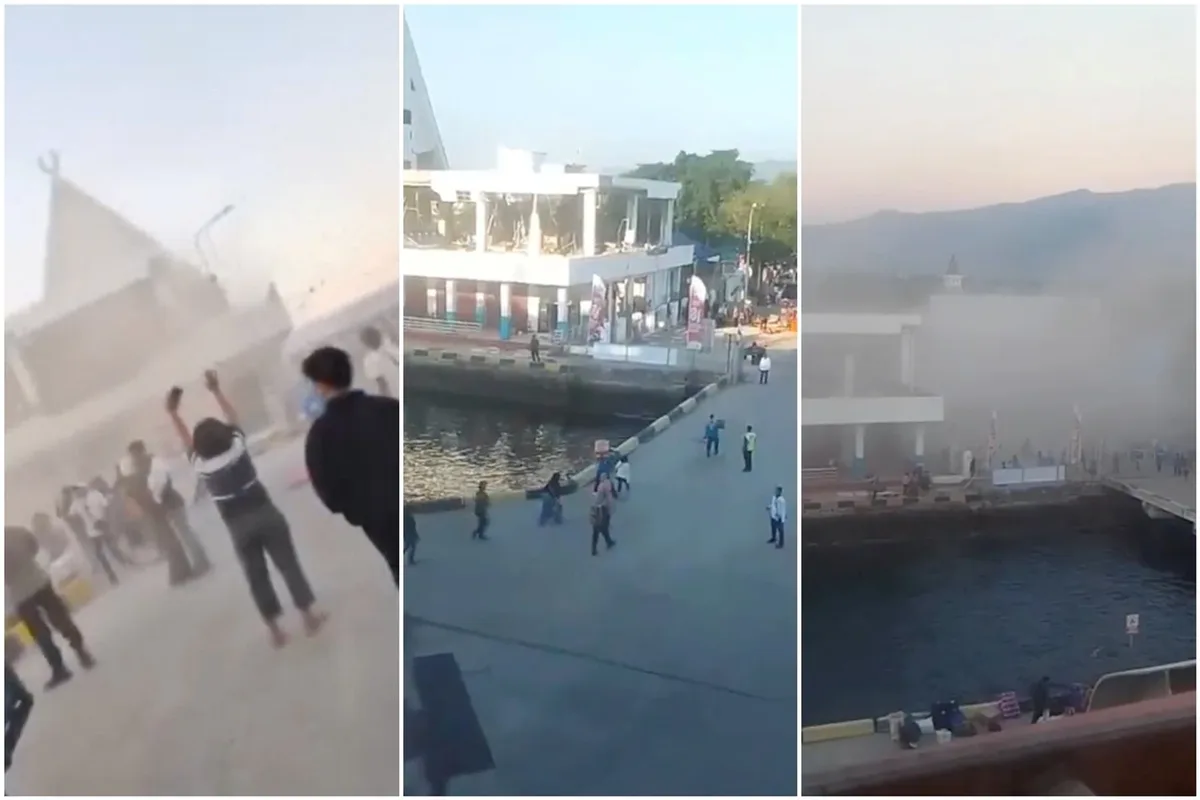
A powerful 7.7-magnitude earthquake shook the north coast of Flores Island in eastern Indonesia early on August 15 at around 5:30-6:00 a.m. local time. The epicenter was near Nagekeo district at a depth of about 15 kilometers [1, 2, 3, 4, 5, 6]. The quake triggered a tsunami warning that was later lifted without incident [1, 2, 7, 6].
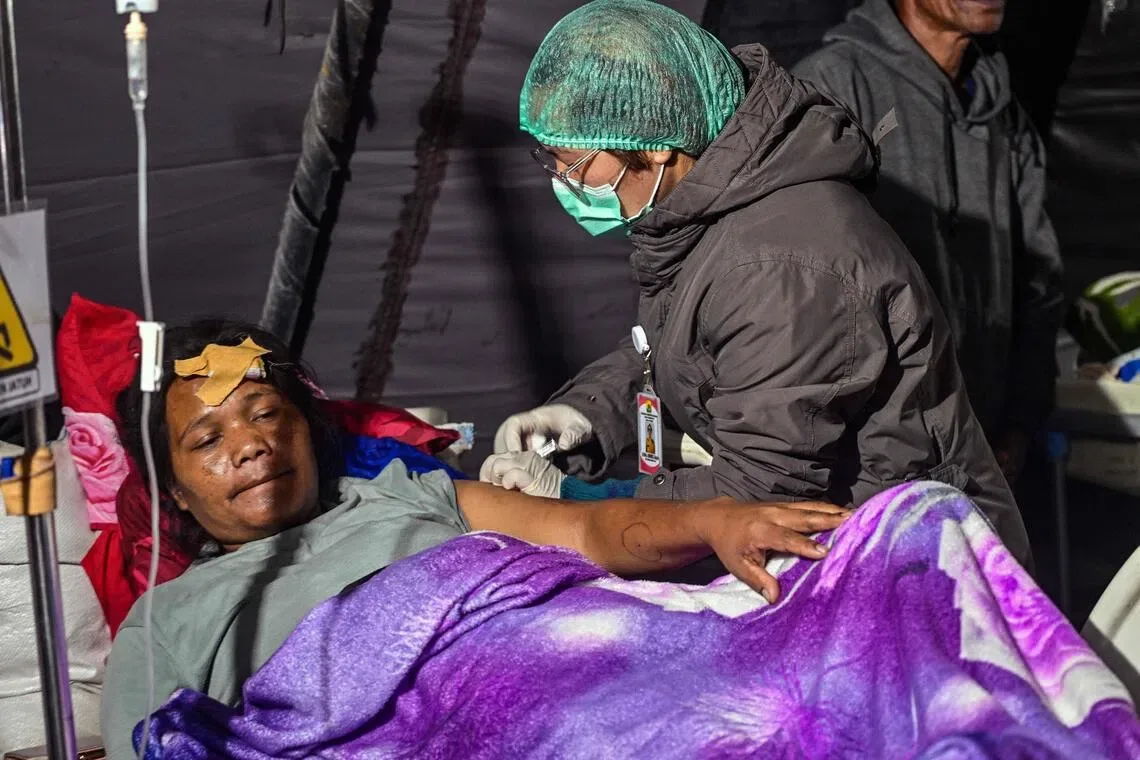
The earthquake caused widespread devastation. By August 17, the death toll had risen to 53, with early reports citing 48 fatalities on August 16 morning [3, 4, 5, 8, 9, 6]. At least 135 people were injured, including 36 seriously, with dozens more sustaining minor injuries [4, 5, 8, 9, 6]. There are no reported missing persons following the disaster, according to the National Search and Rescue Agency's deputy Abdul Muhari, who said all affected regencies currently have no missing lists [6].
The seismic event triggered nearly 995 aftershocks as of August 17, with 341 recorded during the first hours following the main quake [3, 4, 5, 6]. The tremors forced thousands to evacuate, with about 5,000 fleeing their homes immediately after the quake [3, 4, 5].
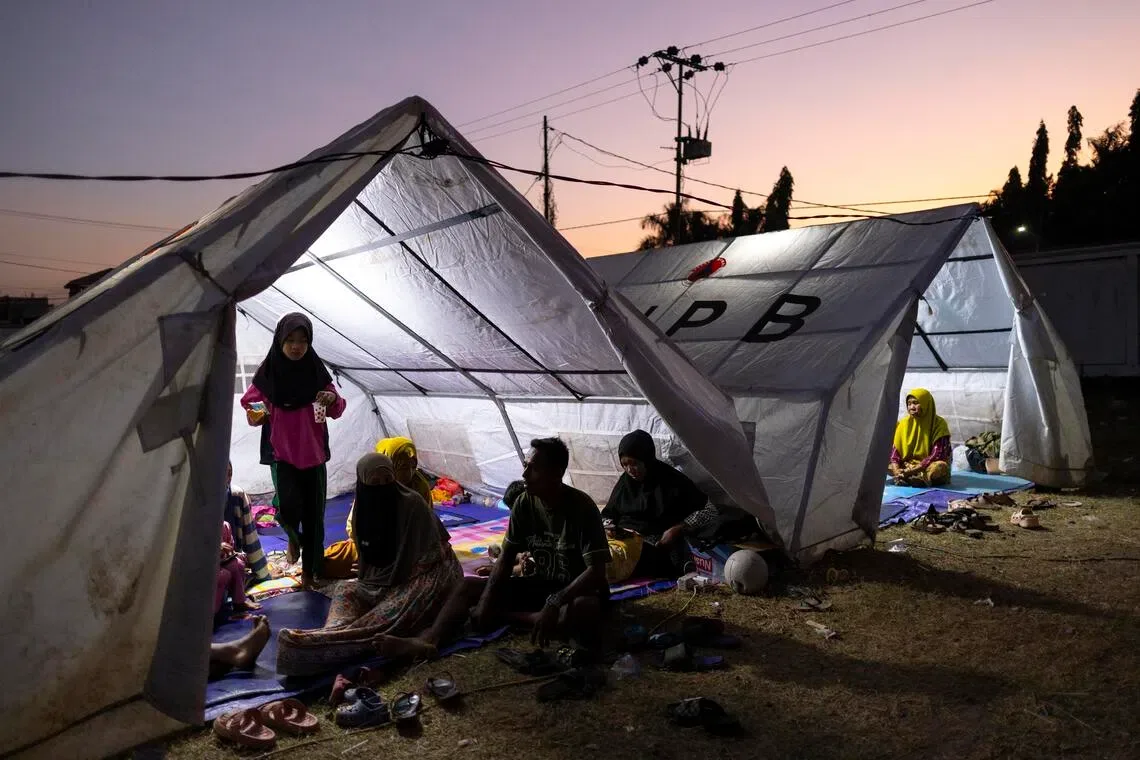
At least 12,800 people remain displaced across several towns on Flores Island. Many are sheltering in schools, police stations, government offices, and temporary tents [8, 9, 6]. Junaidin, a Mbay resident, said, "Our houses are no longer liveable, because many have collapsed and are full of cracks, so we can’t go inside anymore. We only go back home to get water, clothes, pillows, and then we... spend the nights here" [8].
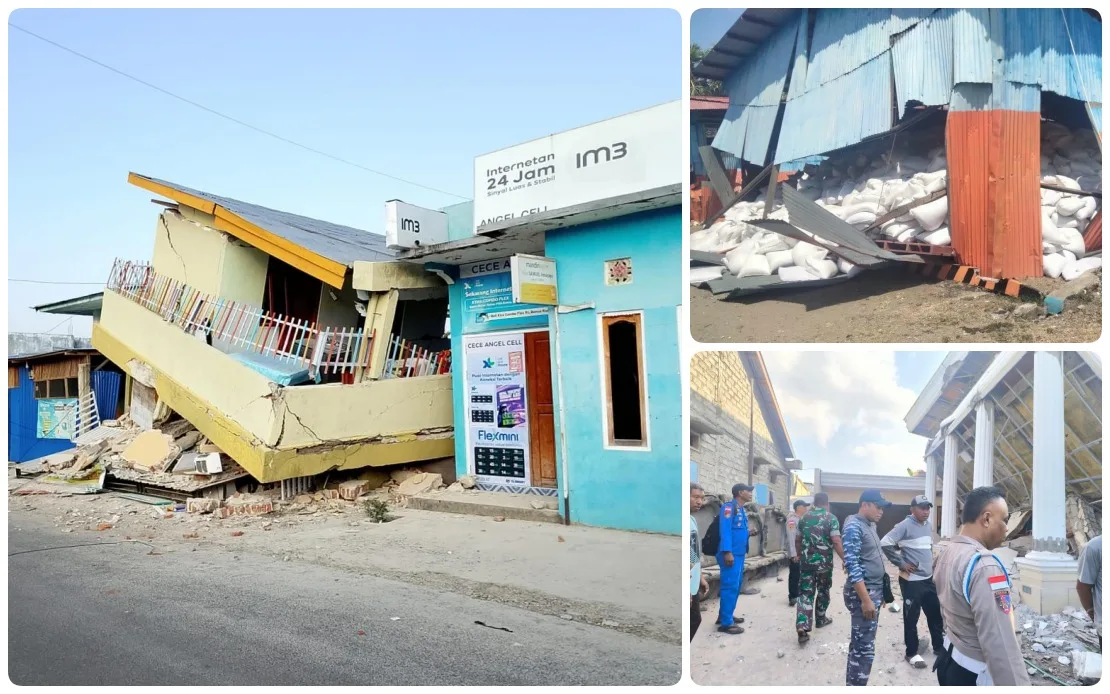
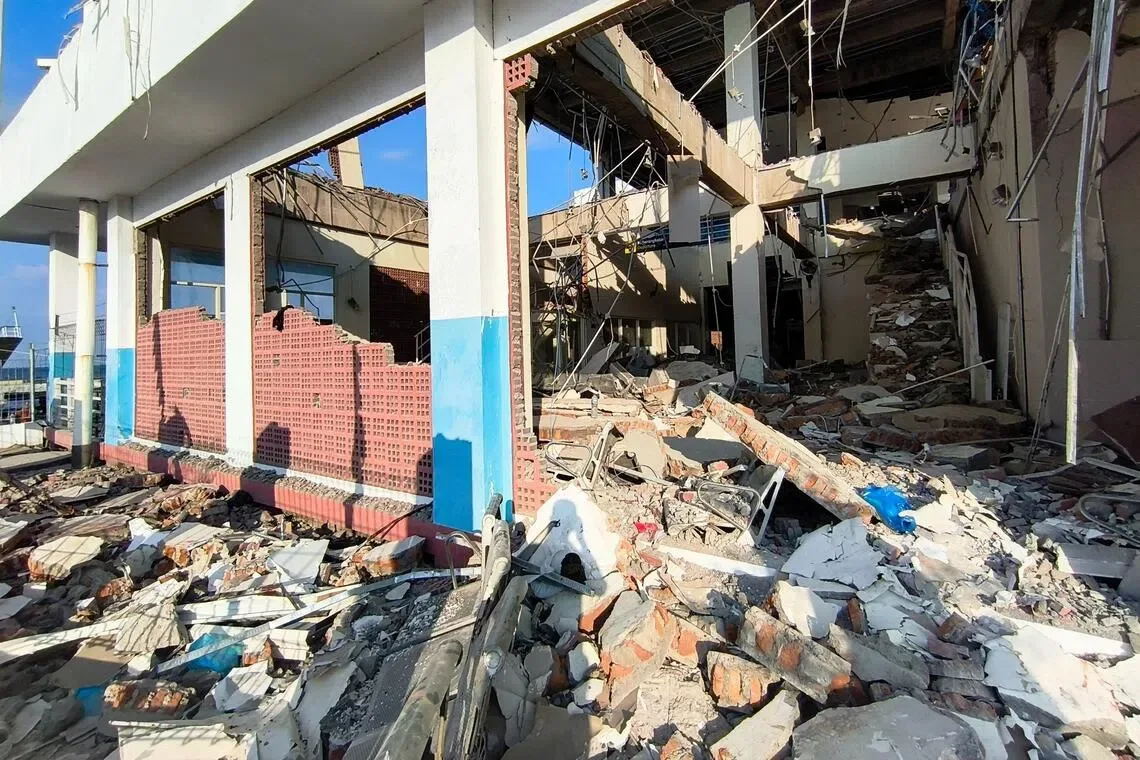
Damage assessment shows 914 houses were severely damaged, and hundreds more partially affected. Public infrastructure also suffered, with 93 educational buildings, 36 health centres, and 38 government offices impacted [3, 4, 5]. Electricity and telecommunications were disrupted in parts, and some emergency roads were initially inaccessible [3, 4, 5, 6].
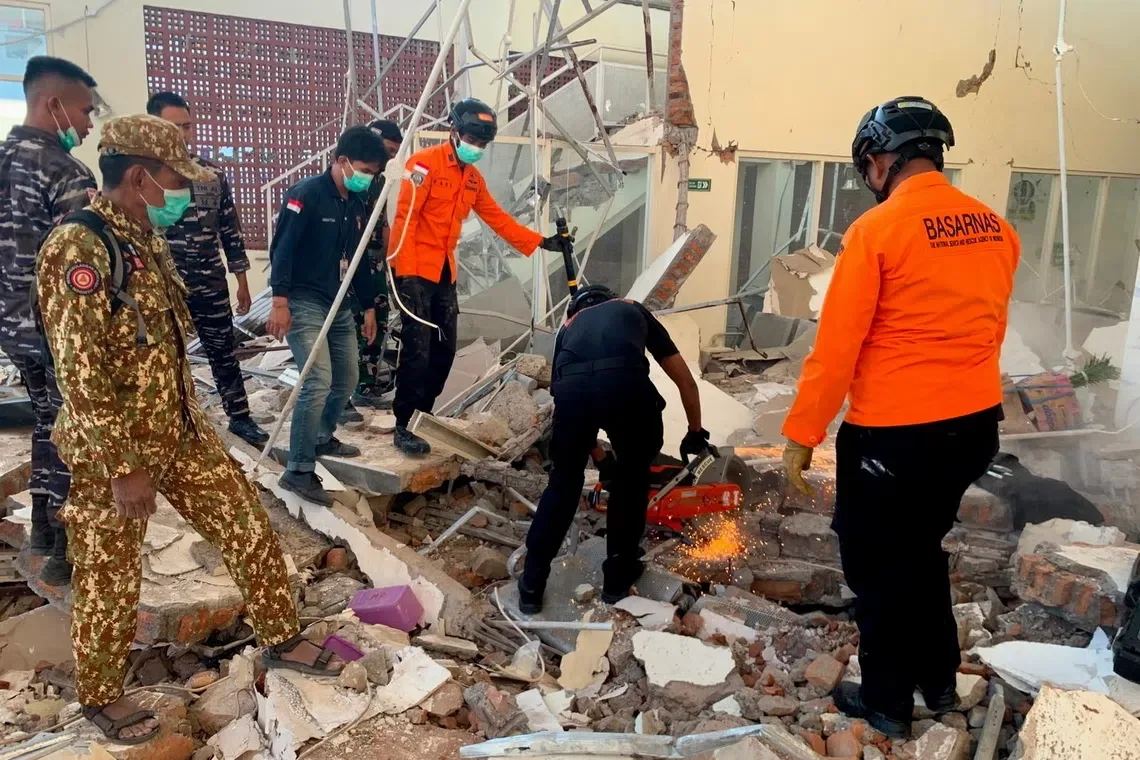
Emergency aid is urgently needed. Residents like Umri from Nangahale village requested food, medicine, and diapers for children after the quake [3]. The Indonesian Air Force and military deployed helicopters, planes, naval vessels, and personnel to deliver relief supplies and assist distribution efforts [4, 5, 8, 9, 6]. Authorities established response posts in Labuan Bajo and Maumere cities to coordinate ongoing rescue and relief operations, keeping helicopters on standby [6].
At Ruteng hospital, staff and patients evacuated amid falling debris and aftershocks. Tonsianus Sambang, a medical worker, described the chaos: "Things were falling everywhere, so our main priority at that moment was how to evacuate the patients and get them out of that room. The walls were collapsing, debris was falling, and objects were scattered across the floor" [2].
Local residents remain fearful and traumatised, recalling the deadly 1992 Flores earthquake and tsunami that killed about 2,500 people. Nurhidayati, a local woman, said, "I’m still terrified; my heart is pounding hard remembering yesterday’s tremor... We just ran up here yesterday. I’m very scared now, still traumatised by the quake in 1992. I don’t dare to go home" [4].
Rescue and aid operations will continue as crews reach more affected areas and assess further needs.