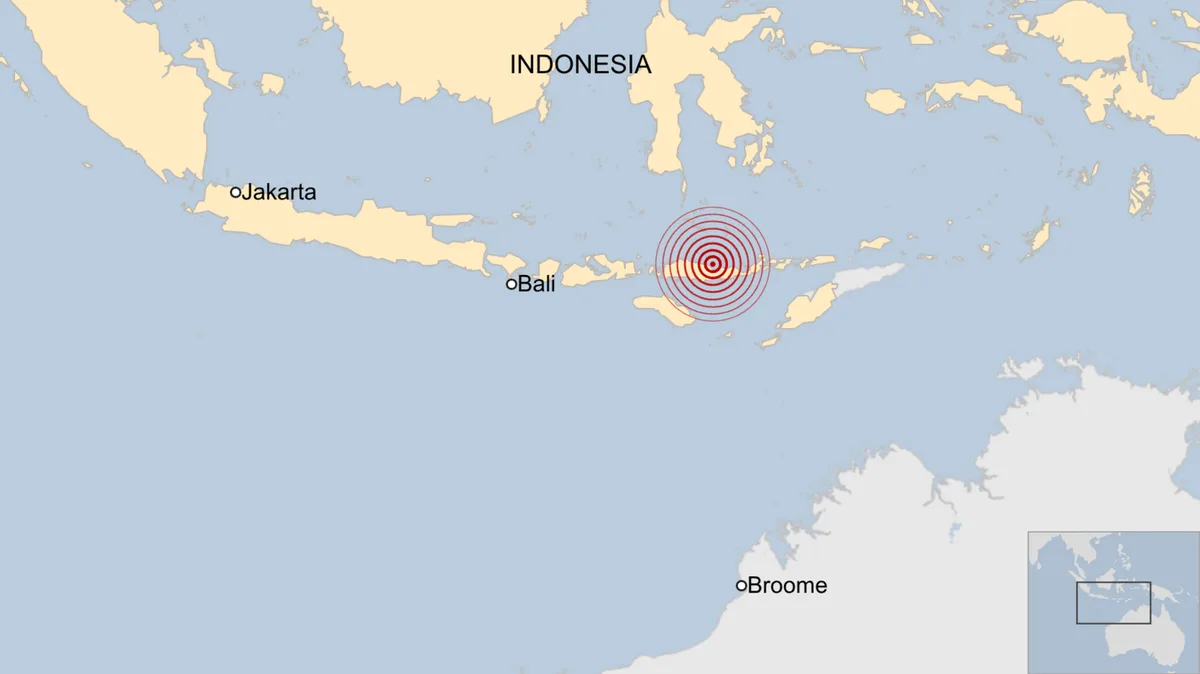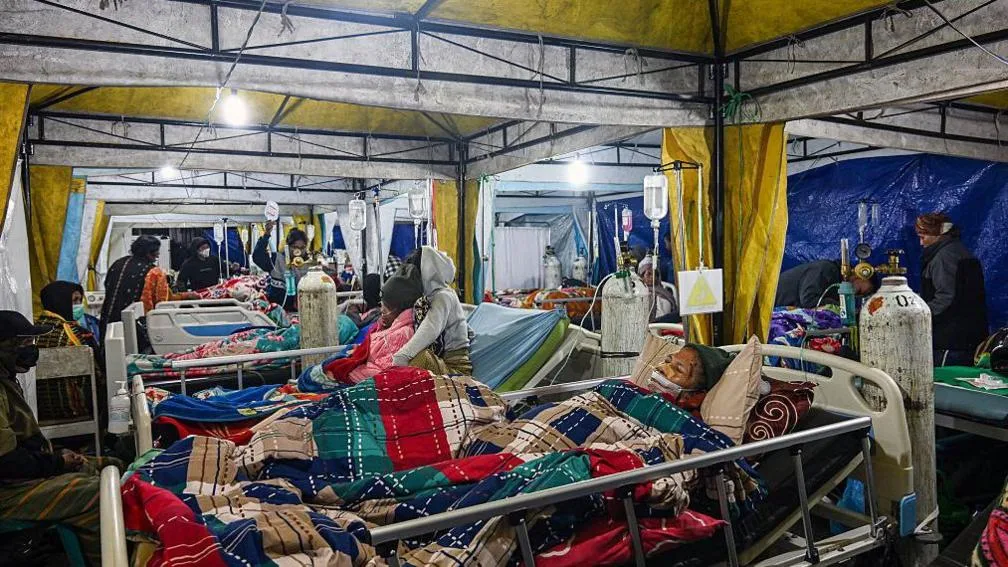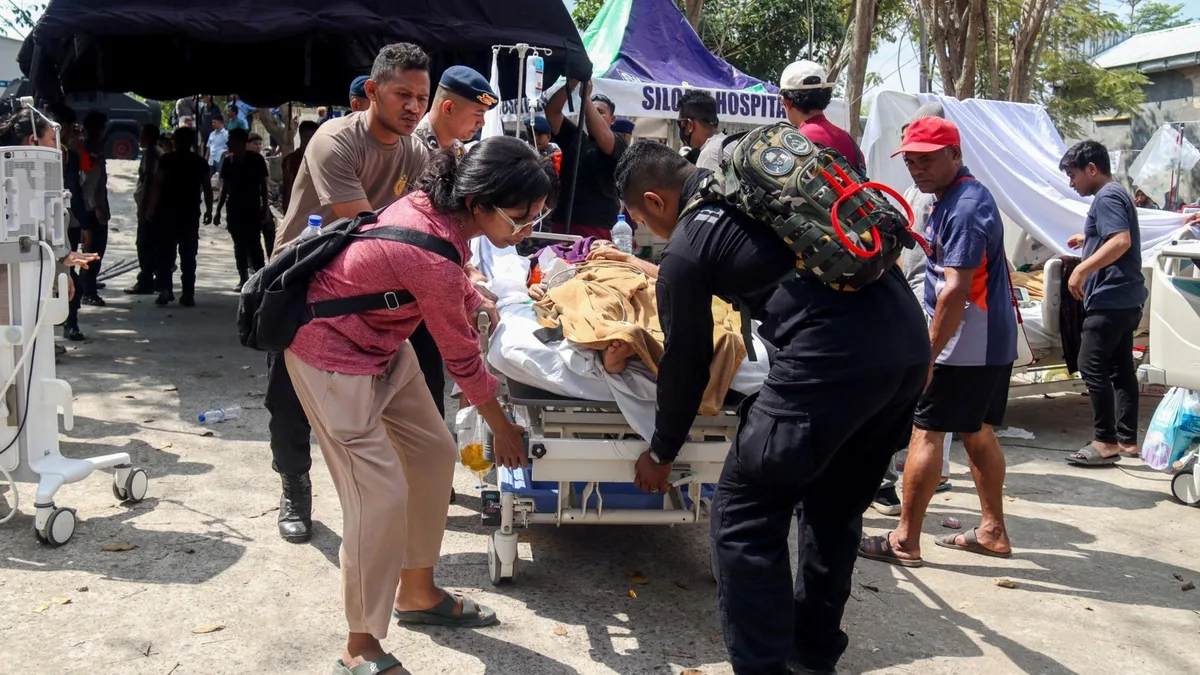
A powerful magnitude 7.7 earthquake struck off the north coast of Indonesia’s Flores Island early on August 15, with the epicenter about 68 kilometers northwest of Ende [1, 2, 3]. The quake occurred at a shallow depth estimated between 10 and 15 kilometers, according to USGS and Indonesia’s BMKG [1, 2, 3, 4, 5, 6, 7].
The earthquake caused the deaths of at least 47 people across multiple provinces in eastern Indonesia, including Sikka, Manggarai, East Manggarai, Ngada, Ende, and West Manggarai [2, 8, 9]. Initial reports ranged from 5 to 38 fatalities before officials confirmed the higher toll. Emanuel Melkiades Laka Lena, Governor of East Nusa Tenggara, said victims "were killed in their sleep by collapsing rubble" [1].
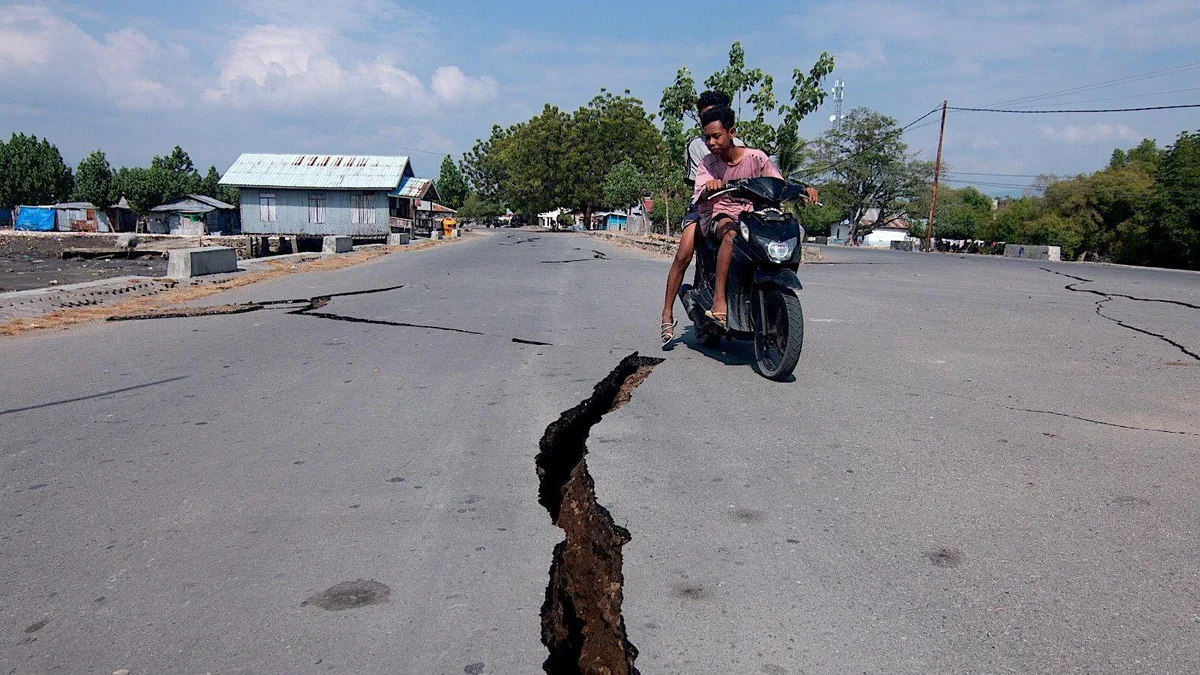
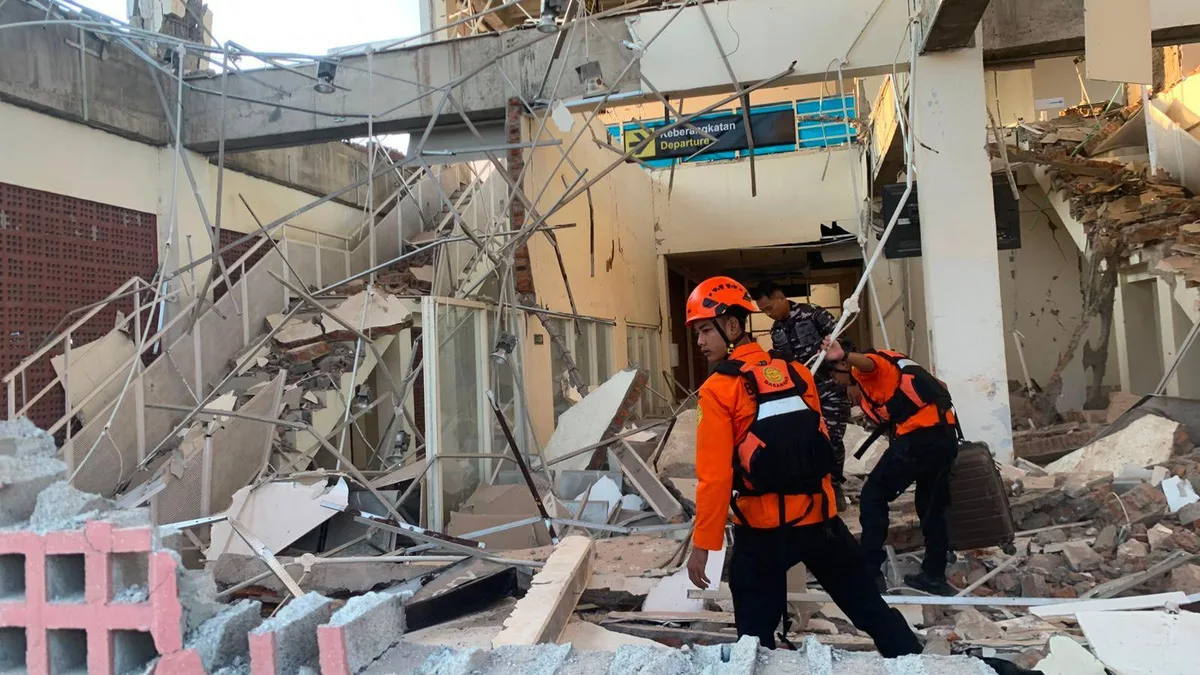
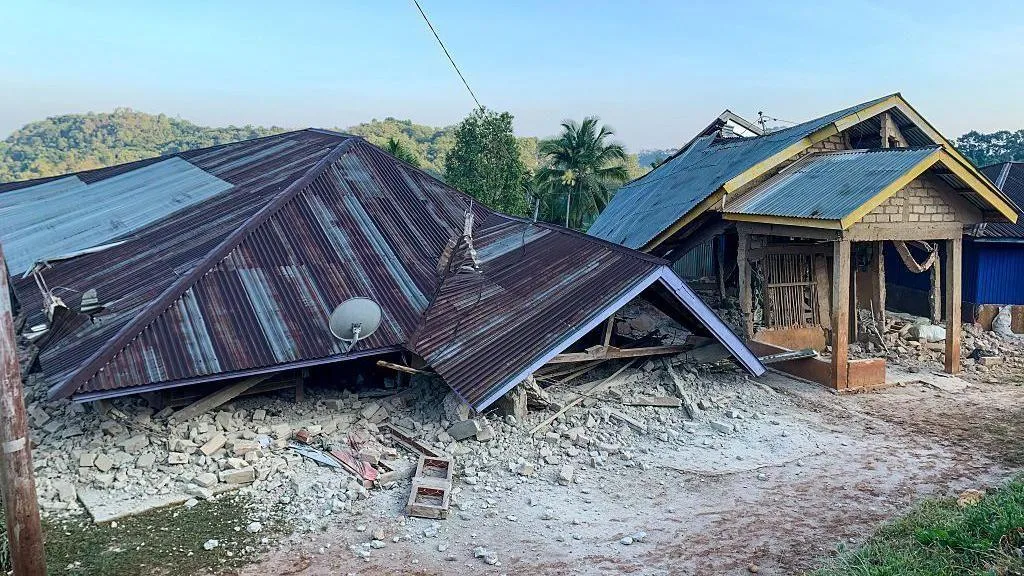
Hundreds of buildings sustained severe damage. Houses, hospitals, schools, places of worship, offices, and public facilities collapsed or were heavily cracked [2, 8, 10, 9]. Videos from Maumere showed concrete breaking away and boarding gangways collapsing, with several people falling into the sea amid the chaos [1, 2, 8, 9]. Lukas Lotar, a hospital official, said patients fled as the quake rattled the building, cracking some walls [6].
About 2,000 people fled or were evacuated from their homes after a tsunami warning was issued shortly after the quake [1, 2, 11, 8]. The warning was lifted after about 2.5 to 3 hours when monitoring detected no significant tsunami wave [1, 2, 4, 5, 6, 7, 8, 9]. Tsunami waves under one meter — reportedly 19 to 30 centimeters high — were recorded but caused no destruction [6, 7, 8, 9].
More than 230 aftershocks followed, with at least four above magnitude 5.0 and the strongest reaching magnitude 6.1 [1, 2, 6, 8, 9]. The quake triggered landslides blocking roads and disrupted five regional airports, complicating rescue and relief efforts [8, 9]. Electricity and communications were also cut off; responders deployed Starlink satellite internet to restore connections [8, 9].
Suharyanto, head of Indonesia’s National Disaster Mitigation Agency, said rescue operations were underway with helicopters and planes ready to assist trapped victims [8]. Residents described the quake’s intensity: Yulian Juita Ekalia from Ruteng city said, "I have never felt an earthquake this big. It felt like we were on a trampoline. It was really scary" [10]. Arnold Welianto from Talibura village recalled being awakened and rushing his child outside as some saw the sea recede [2].
BMKG official Nelly Florida Riama said the earthquake resulted from back-arc thrust activity in the Flores Sea [8]. On the same day, a separate 6.4 magnitude earthquake struck North Sumatra Province but caused no damage or tsunami threat [12].
The immediate focus remains on search and rescue as aftershocks continue. Authorities continue assessing damage and supporting displaced families across affected regions [1, 2, 8].