Access Singapore announced it will launch a National Social Capital and Opportunity Index in early 2027 to measure gaps in social mobility and guide policy decisions [1, 2, 3]. The index, developed with research firm Milieu Insight, will be publicly available and shared with policymakers to help identify areas needing intervention [1, 2, 3].
In February 2026, Singapore’s Ministry of Finance published its first report on wealth inequality and social mobility, showing that while absolute intergenerational mobility remains relatively strong—with many children from lower- and middle-income families earning more than their fathers—relative mobility has slowed as the economy matures [1, 2, 3]. More children from the poorest households are struggling to move up the socioeconomic ladder [1, 2, 3].
Access Singapore’s 2023 survey found about half of Singaporeans believe society has become more unequal over the past decade [1, 2, 3]. The new index aims to survey more than 2,000 respondents from different social segments to provide comprehensive data on social capital and opportunity [1, 2, 3].
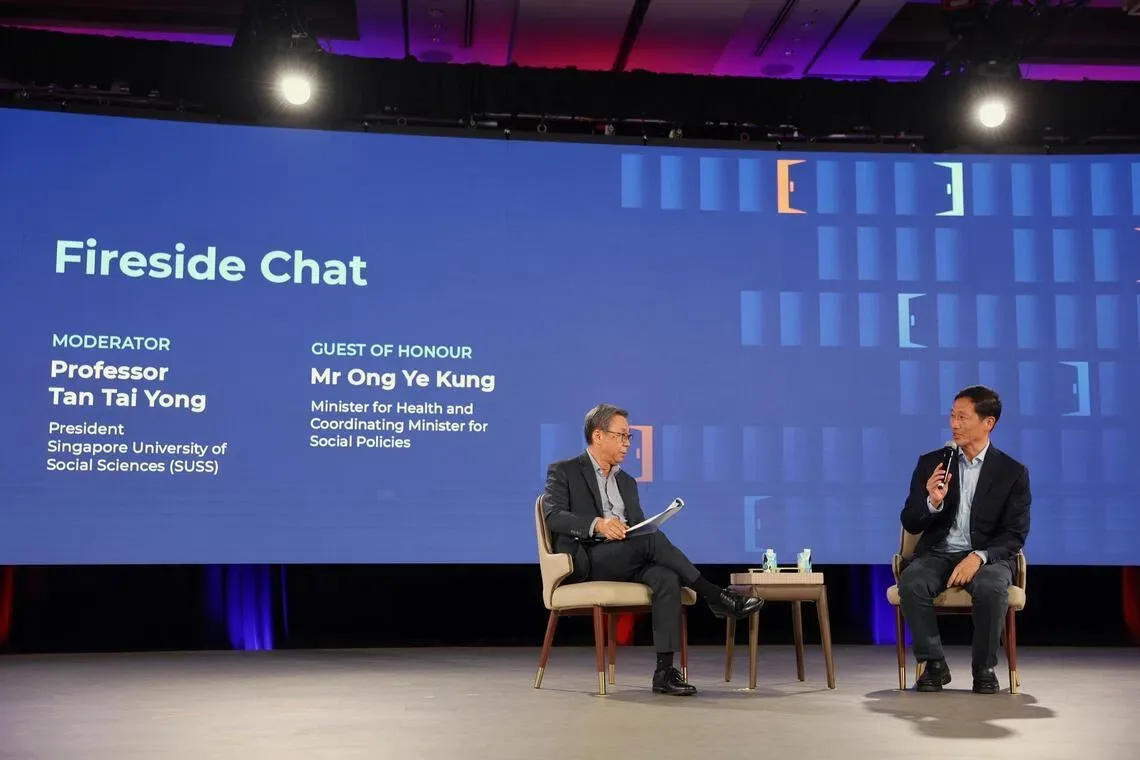
At the Access Social Mobility Summit held in May 2026 at Marina Bay Sands, leaders discussed possible solutions to address mobility challenges. Recommendations included youth mentorship programs, offering second chances, and improvements in data collection [3]. Morgan Stanley has funded a youth development program linked to these efforts [1, 2, 3].
MP Shawn Loh called for measures to prevent class entrenchment, proposing free basic after-school care and a review of policies such as school admissions and inheritance taxes [1, 2, 3]. Clarence Ching, executive director of Access Singapore, said, "People want to make sense of the data, they want to know what they can do more of, and what the big issue at hand is" [1].
Access Singapore plans to release the National Social Capital and Opportunity Index in early 2027, providing detailed insights to support social mobility policy discussions [1, 2, 3].