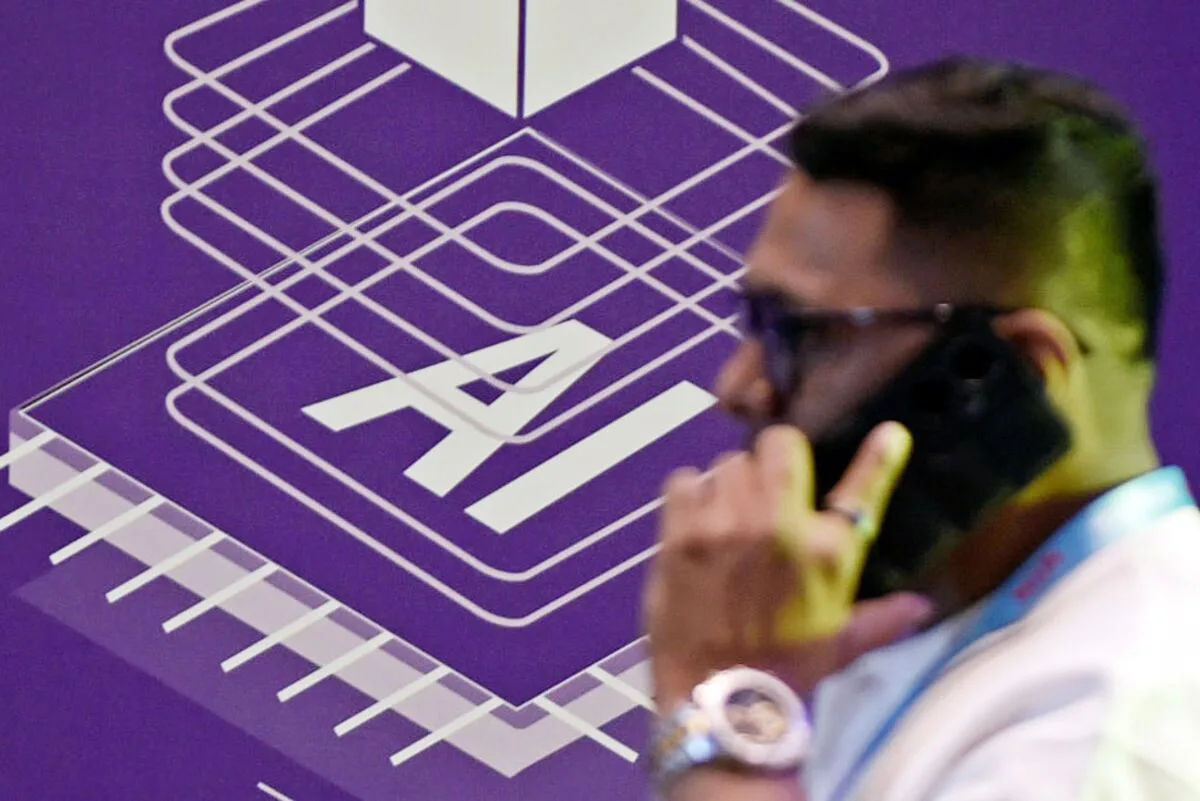
The dangers of artificial intelligence surpassed concerns about nuclear weapons during a panel discussion on strategic stability in Singapore on May 30, 2026 [1, 2].
Lieutenant General Nauman Zakria, commander of Pakistan's 1 Corps and Army Rocket Force Command, highlighted how AI could so drastically shorten decision times that "a human can’t evaluate the situation fast enough," leading to rash and extreme actions. He said, "People will act irrationally, and the actions will be extreme," pointing to the collapse of the OODA loop—observe, orient, decide, act—as a key risk factor [1, 2].
Mirjana Spoljaric, president of the International Committee of the Red Cross, noted that although AI holds potential to protect civilians, it substantially increases the risk of war. She said, "We don't know where the trigger is pulled. It could be thousands of kilometres away. So while there are potentials of AI for protecting civilians, what we see at the moment is only the negative side" [2].
Despite elevated concern over AI, nuclear weapons remain a central focus as a strategic deterrent. China’s People's Liberation Army Major General Meng Xiangqing reaffirmed Beijing's no-first-use nuclear policy, stating: "If we can do so, we can reduce the risk and we can further enhance strategic stability" [2].
General Onno Eichelsheim, chief of defense for the Netherlands, acknowledged the reality and risks of AI use on the battlefield. "AI is a huge risk in escalation. I think that's clear. But I'm not naive. It'll be used in the domain. It is already being used," he said, citing its current deployment by Ukrainian and American forces [2].
The forum underscored that while nuclear deterrence remains vital, AI introduces new challenges by compressing decision windows and amplifying risks of miscalculation.
Panelists’ evaluations came over several days, with Lieutenant General Zakria and others emphasizing these risks prior to the May 30 session [2]. Further discussions on AI’s role in military strategy and stability are expected at upcoming global security events.