A powerful earthquake hit southern Japan, including Kumamoto, on July 28, 2026, causing 36 deaths and widespread utility outages [1, 2, 3]. Many evacuees sought shelter in official evacuation centers. However, these centers often do not allow pets, creating hardship for pet owners.
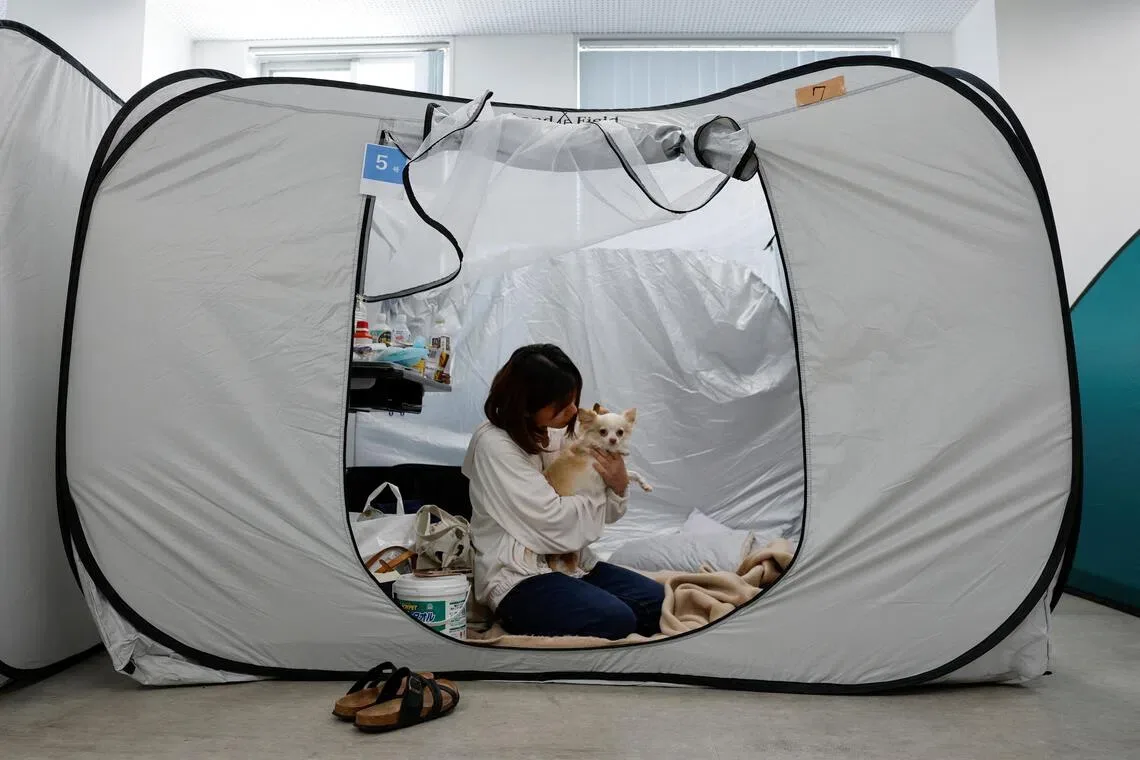
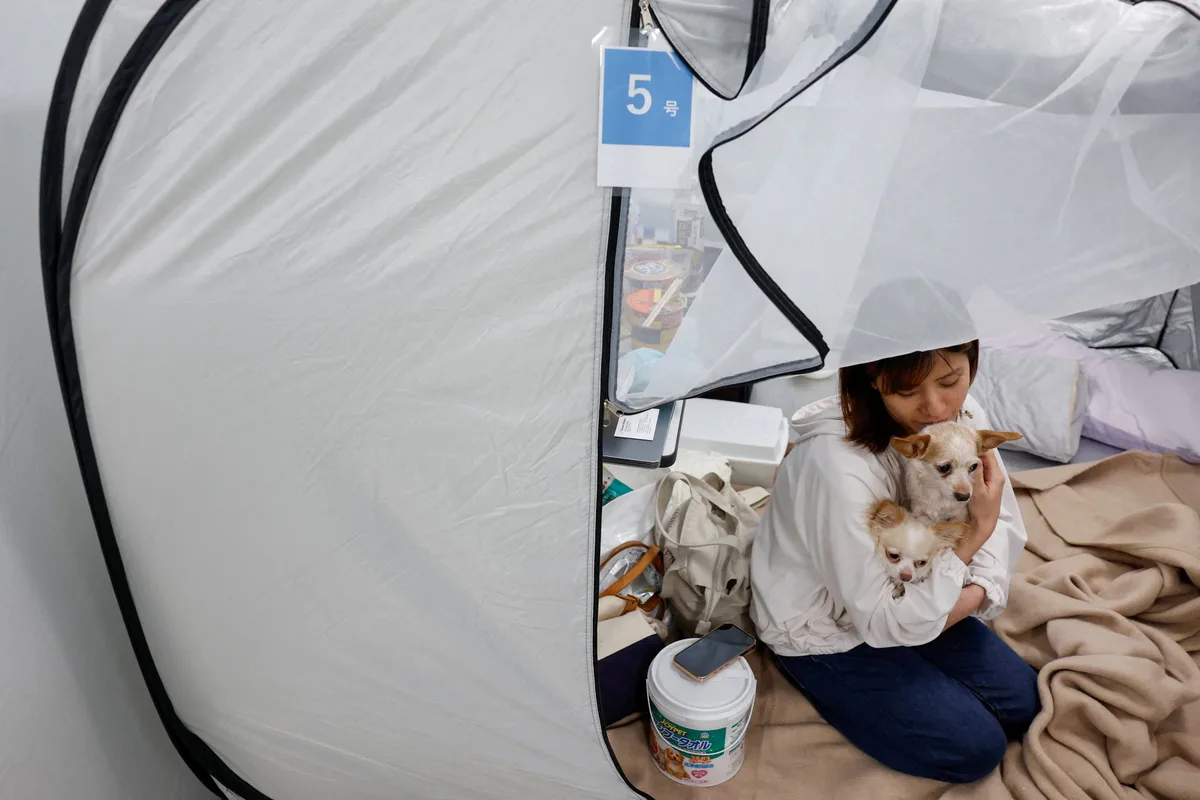
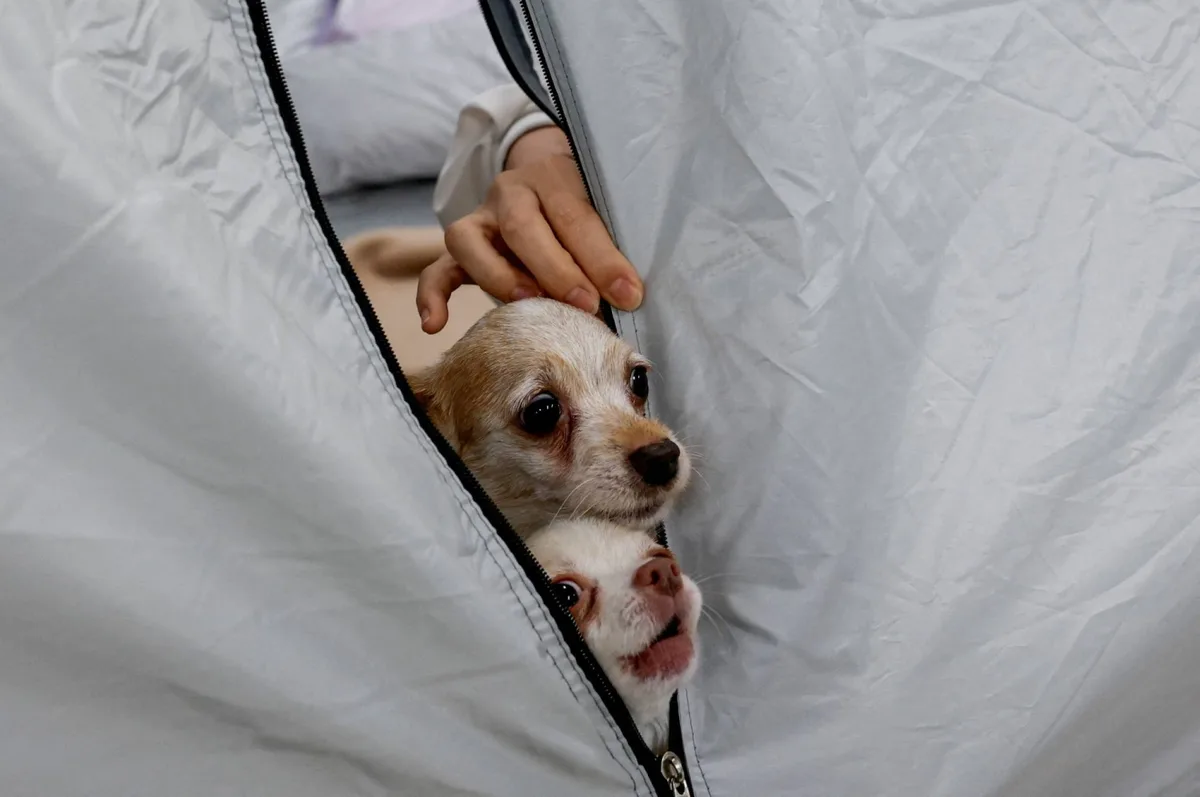
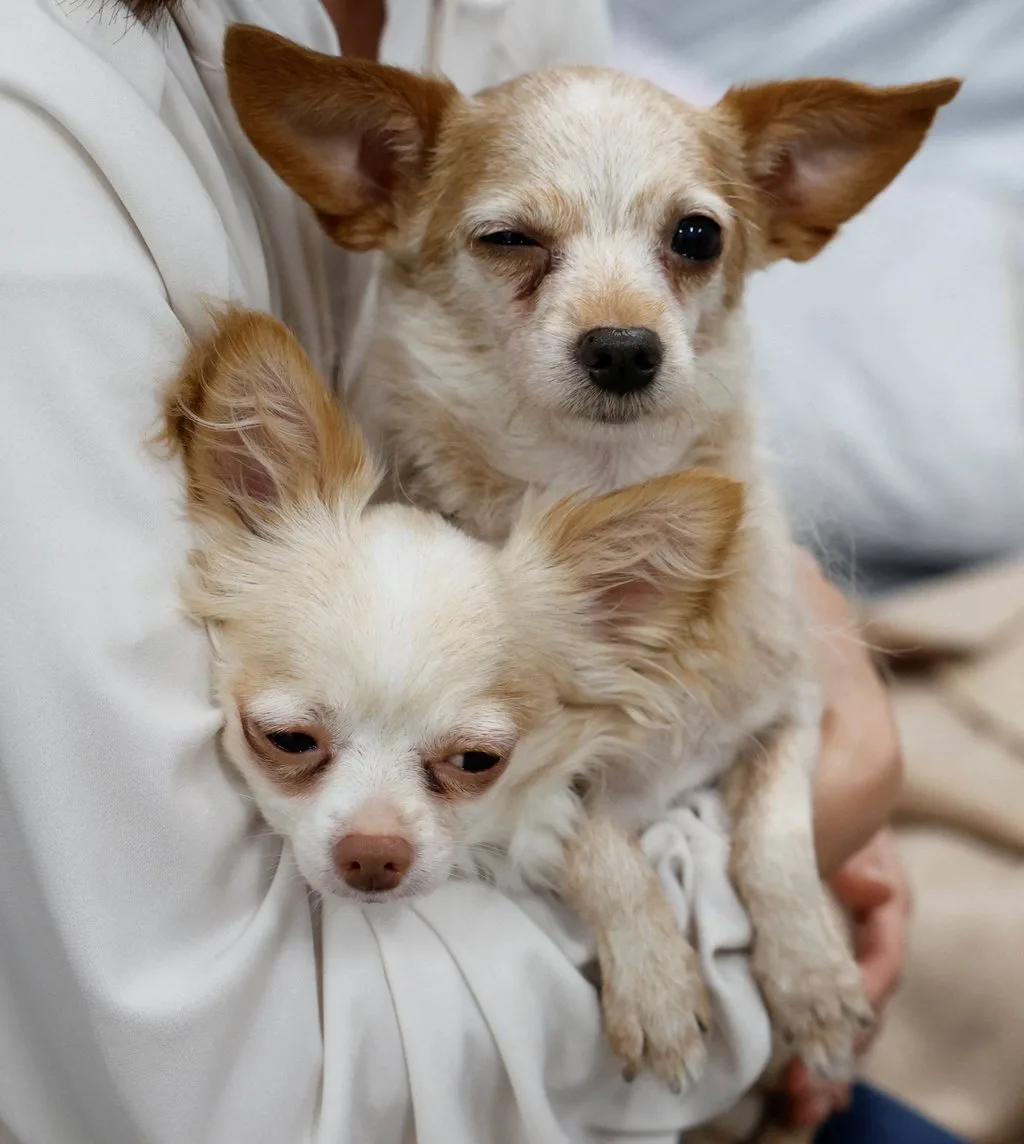
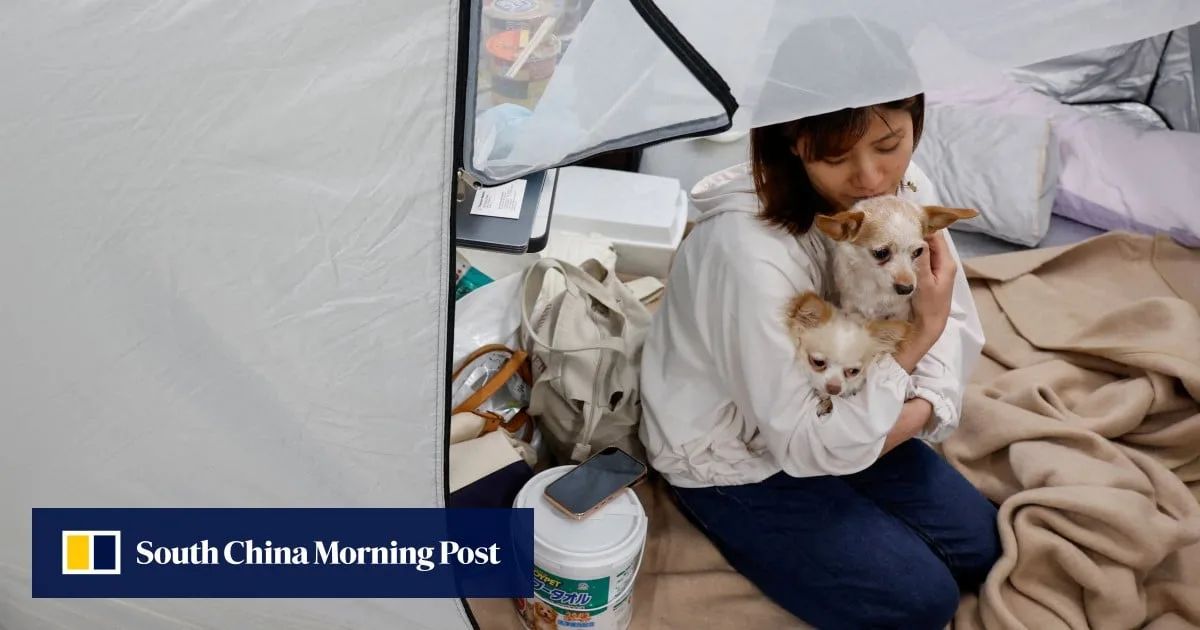
Tomoko Takaoka, a 31-year-old factory worker, was unable to reach her parents after the quake. She went to an evacuation center but was not permitted to bring her two dogs, a chihuahua named Ku and a chihuahua-poodle mix named Sheri [1, 2, 4, 3]. "They're just like family to me. I'd like to stay with them as much as possible," she said [1]. Rather than separate from her pets, Takaoka chose to stay overnight in her car with them [1, 2, 4, 3].
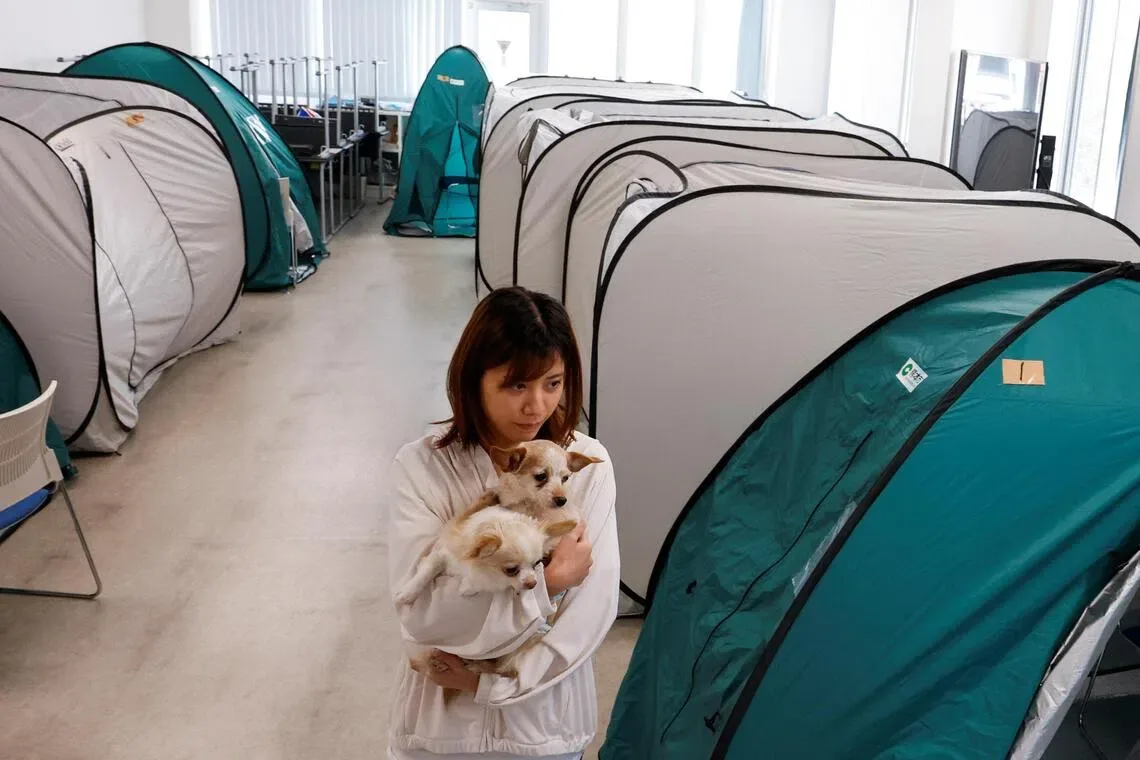
In response, Ryunosuke Animal Hospital in Kumamoto converted classrooms in its veterinary nurse training school into temporary housing for evacuees with pets [1, 2, 4, 3]. The hospital provides separate rooms where owners can stay with their cats or dogs [1, 2, 3]. When Reuters visited, about 26 evacuees and their pets were sheltering at the hospital [1, 2, 3].
Hospital director Ryunosuke Tokuda explained why pets are often banned at evacuation centers: "During disasters it's only natural for dogs and cats to stay together with their families. But people who don't own pets don't necessarily want to be with them. They worry about fleas, odors, allergies, and noise. Pets are often viewed negatively, which is why many evacuation shelters often don't allow people and pets to stay together." [1]
The hospital drew on lessons from the 2016 Kumamoto earthquake to open its facilities for evacuees with pets this time [1, 2, 3]. The quake struck on July 28, and evacuees including Takaoka began sheltering at the animal hospital during the first week of August [1, 2, 3].