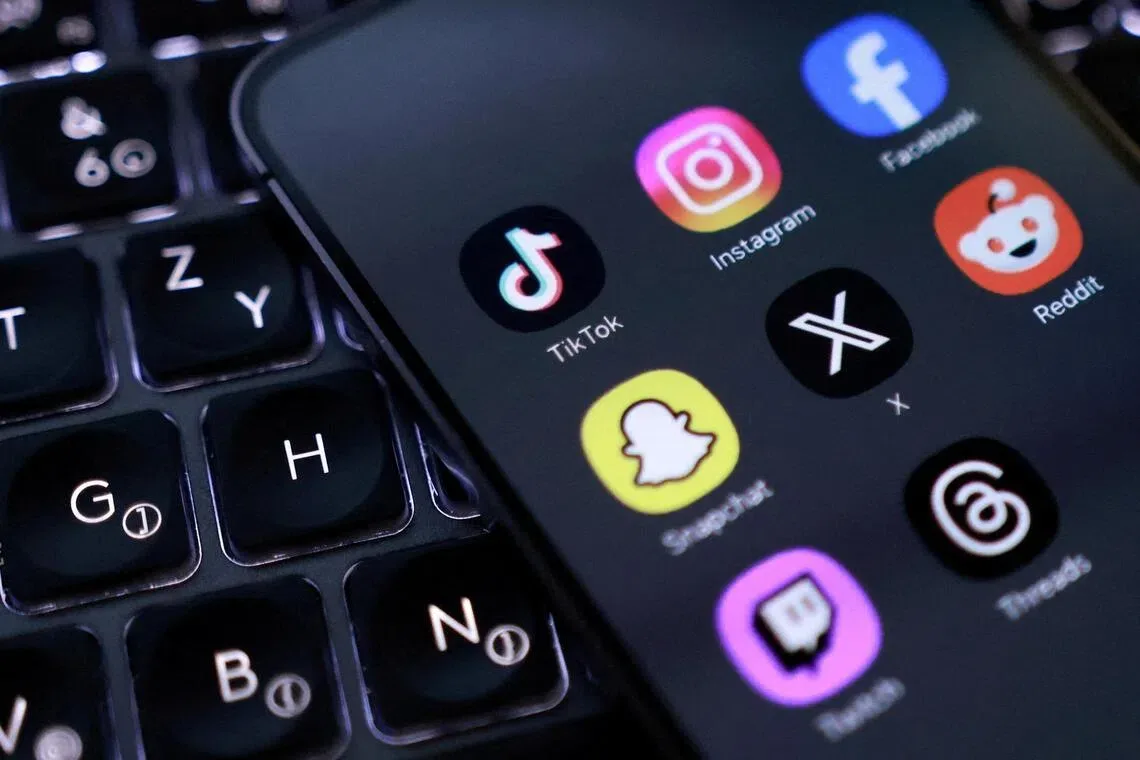
Australia implemented the world’s first nationwide ban on children under 16 having social media accounts in December 2025 [1, 2]. The ban covers platforms including Facebook, Instagram, Snapchat, Threads, TikTok, X, YouTube, Reddit, Twitch, and Kick but excludes WhatsApp and YouTube Kids [2]. Companies must use multiple robust age verification methods beyond user-entered ages or face penalties up to 49.5 million AUD (~34.4 million USD) [2].
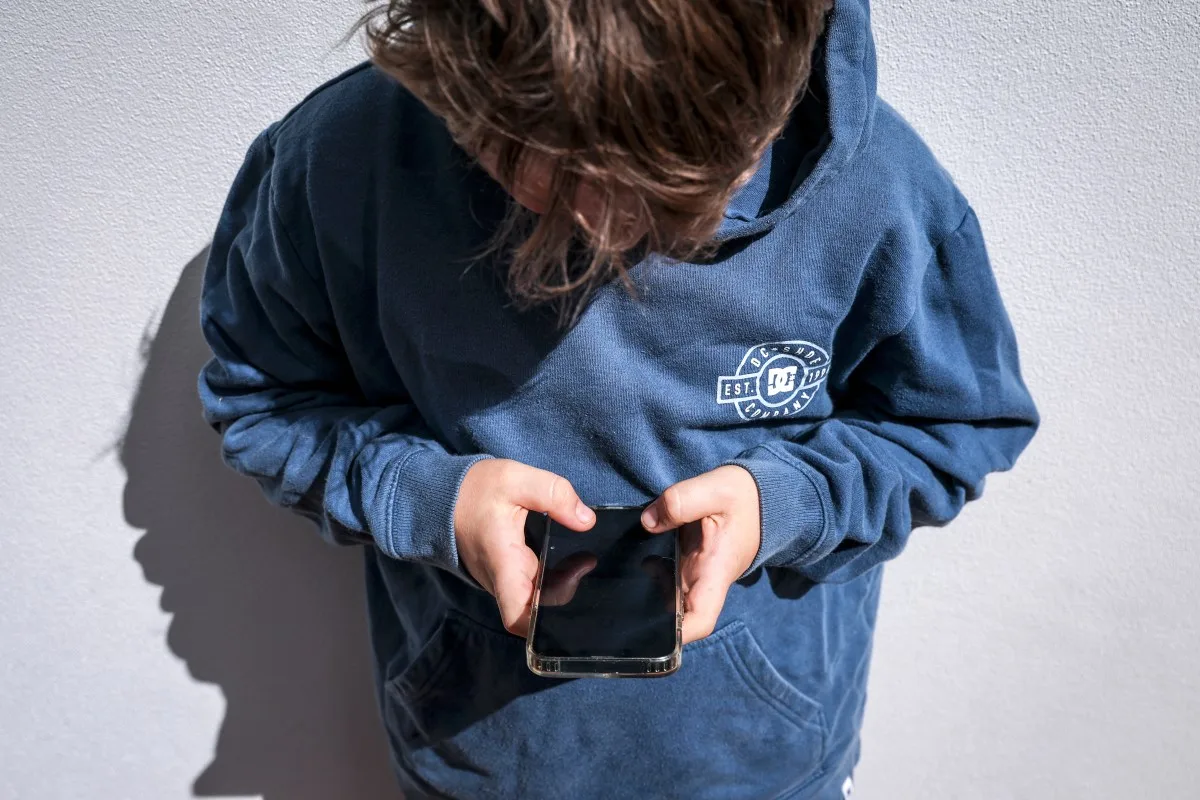
Six months after the ban took effect, the Australian eSafety Commission and surveys show it has largely failed to keep young teens off these platforms [1]. A March 2026 report found 70% of parents said their children already had social media accounts and remained active despite the ban [1]. Teens say they use fake accounts, family members’ profiles, or trick age verification scans to bypass restrictions [1].
Some parents welcome the ban as a tool to limit younger children’s access. Naomi Parrish said, "It’s given me a reason he can’t have it, and that’s powerful. I’ve said to him, ‘It’s against the law, we’ll get fined.’" [1]. However, others are skeptical about the ban’s impact. Lauren Hillier remarked, "The kids all laugh about it, ‘What a joke, we haven’t been taken off anything.’ I don’t know a single person who’s lost an account." [1]
The Australian government requires platforms to implement multiple age verification methods rather than relying on self-reported age to improve enforcement [2]. Failure to comply risks fines up to 49.5 million AUD (~34.4 million USD) [2].
TechCrunch reported in June 2026 that other countries are planning or enacting similar bans following Australia's example, with Australia’s enforcement experience closely watched internationally [2].
Australia’s eSafety Commission continues monitoring the ban’s effectiveness as social media companies and regulators prepare for ongoing compliance checks and potential penalties.