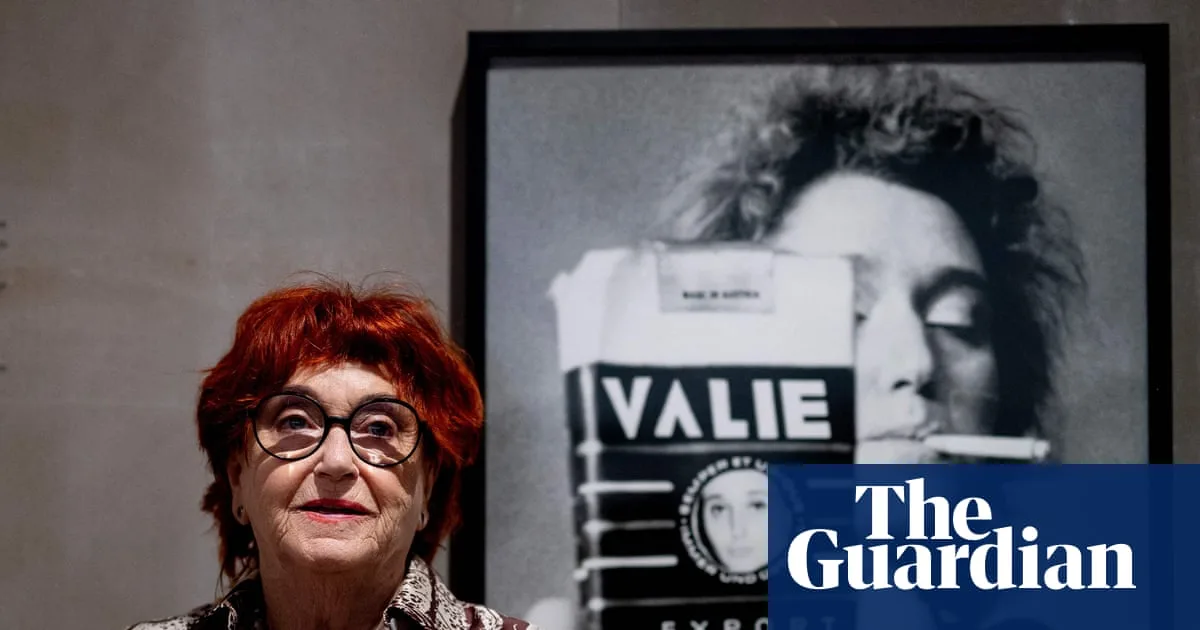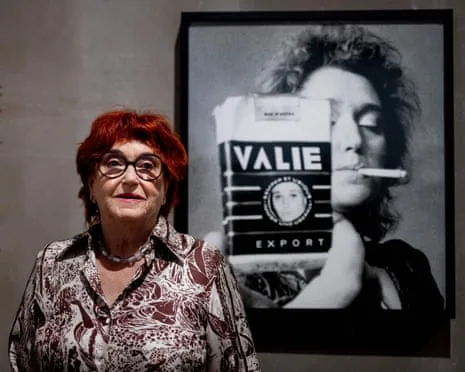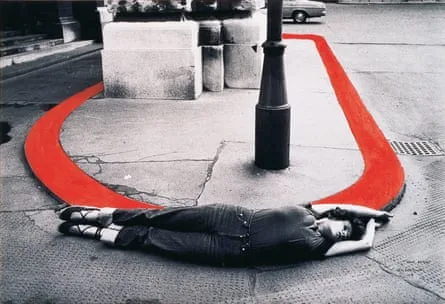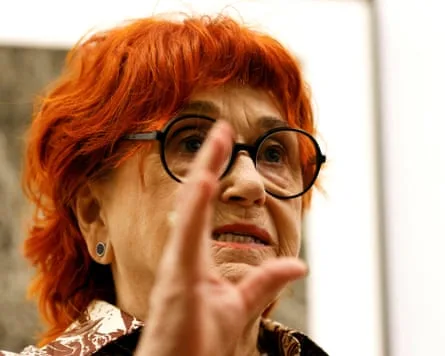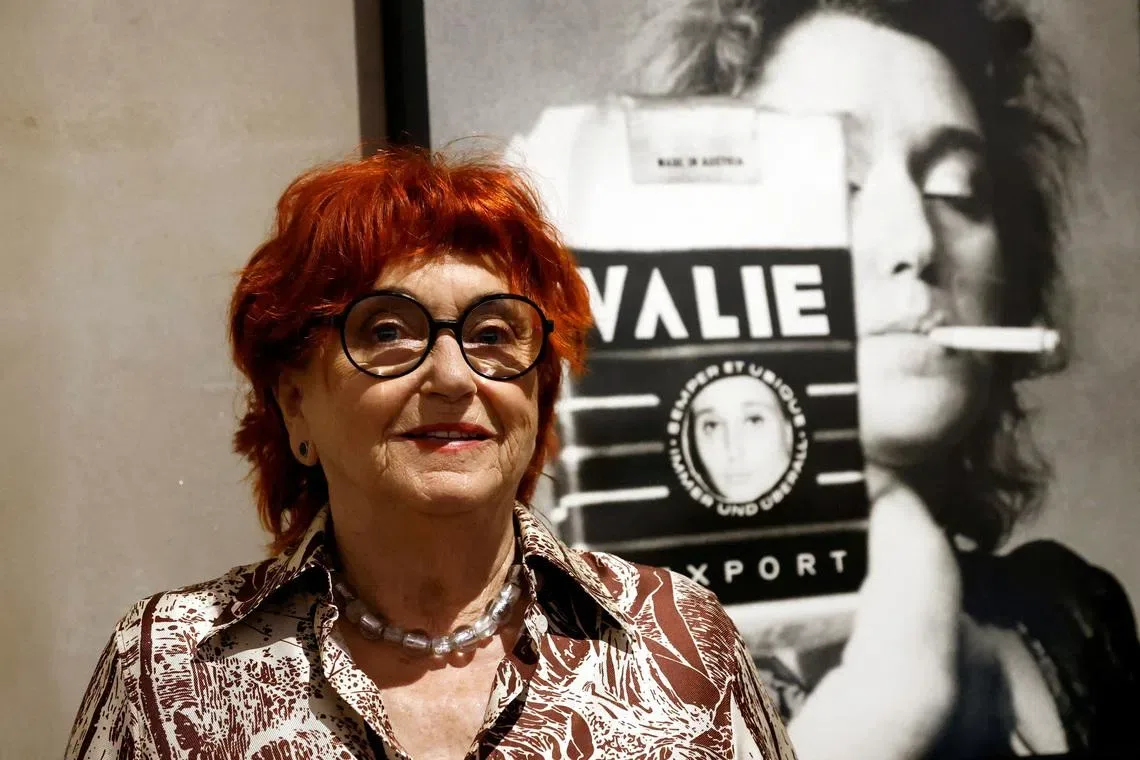
Valie Export, born Waltraud Lehner in 1940 in Linz, Austria, died on May 14, 2026 in Vienna at age 85, her foundation announced today [1, 2]. She was a pioneering feminist performance artist and filmmaker who challenged female objectification and societal norms through avant-garde works [1, 2].
In the 1960s, she adopted the pseudonym VALIE EXPORT, inspired by her childhood nickname and a cigarette brand called Smart Export [1, 2]. She became known for provocative performances such as the 1968 "Tapp- und Tastkino" (Tap and Touch Cinema), where she invited passersby to touch her bare breasts in a public space as a direct confrontation of the male gaze and female objectification [2].
Export also co-founded the Austrian Filmmakers Cooperative in 1968 to support experimental filmmaking [2]. Her films included "Unsichtbare Gegner" and "Syntagma," blending political critique with feminist themes [1, 2].
In 1970, Export faced legal challenges when she was convicted on pornography charges related to a book she co-edited, resulting in the temporary withdrawal of custody of her daughter [2]. She reflected in a 2019 interview, "I thought: this is not my life, being married and a mother" [2].
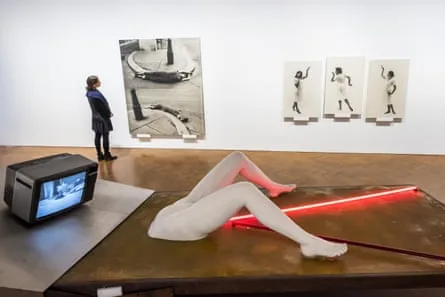
Her 1980 piece "Geburtenbett," shown at the Venice Biennale, featured a female abdomen sculpture with red neon lights and a TV screen transmitting a Catholic mass, symbolizing criticism of patriarchy and religion [2].
Thaddaeus Ropac, a prominent gallerist, said, "Valie was one of the most visionary feminist artists to emerge in Europe in the second half of the 20th century. Her passing marks the loss of a singular perspective in contemporary art, one that influenced artists across generations. Her pioneering work continues to be of such great urgency" [2].
Export’s death closes a significant chapter in feminist and experimental art. Her legacy remains through her influential performances and films that transformed Austrian and global art scenes [1, 2].