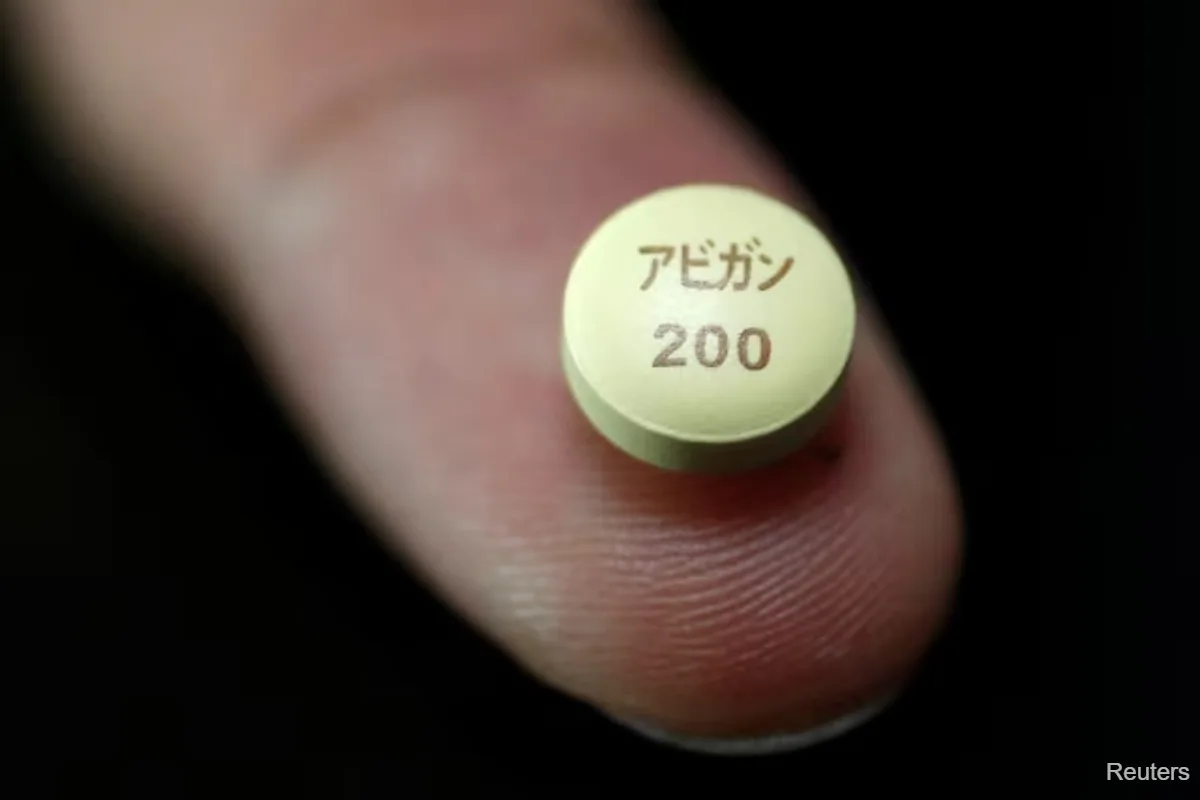
Britain received supplies of favipiravir, an experimental antiviral drug, from Japan to aid its response to a hantavirus outbreak linked to the Hondius cruise liner [1, 2, 3]. The UK Health Security Agency accepted the delivery over the weekend of May 16-17, 2026 [1, 2, 3].
The Hondius cruise liner, which has been linked to eight confirmed and two probable hantavirus cases, docked at the Dutch port of Rotterdam on May 18, 2026 [1, 2]. Three people have died in connection with the outbreak [1, 2]. Britain has taken on some passengers from the ship, including one Japanese national, during the Atlantic voyage [3].
Hantavirus is primarily spread by rodents but can transmit between people in rare cases after prolonged close contact. The strain involved is the Andes virus, which is unique in its ability to spread between humans but typically requires lengthy exposure [1, 2]. The World Health Organization states there is no evidence the virus has become more transmissible or severe, and it does not pose a pandemic threat [1].
Favipiravir, sold as Avigan in Japan by a Fujifilm unit, is approved there for seasonal and novel flu. In the UK, use against hantavirus is experimental and unlicensed. Experts describe its use for hantavirus as compassionate or experimental, largely supported by lab and animal data without established clinical protocols internationally [1, 2, 3]. Dr. Piet Maes, a virologist at the University of Brussels, said, "Use of favipiravir in hantavirus would generally be considered experimental or compassionate rather than standard care, and most likely to treat severe infection early on" [1].
Kenichiro Ueno, Japan's Health Minister, said the government supplied favipiravir from stockpiles to Britain in response to the outbreak [3].
The UK Health Security Agency will continue monitoring cases linked to the outbreak and managing patient care with the antiviral drug as part of the response effort.