Changi Airport handled a record 70.4 million passengers between April 2025 and March 2026, while reducing its water consumption by 24.4 percent compared to 2018-2019 levels [1, 2, 3]. Water use dropped from 3.07 million cubic meters in April 2018 - March 2019 to 2.32 million cubic meters over the 2025-2026 period, saving the equivalent of more than 300 Olympic-size swimming pools [1, 2, 3].
Electricity usage also fell by 19.3 percent, declining from 456 gigawatt-hours to 368 gigawatt-hours in the same timeframe. This reduction equates to enough power to run about 19,800 four-room HDB flats for a year [1, 2, 3].
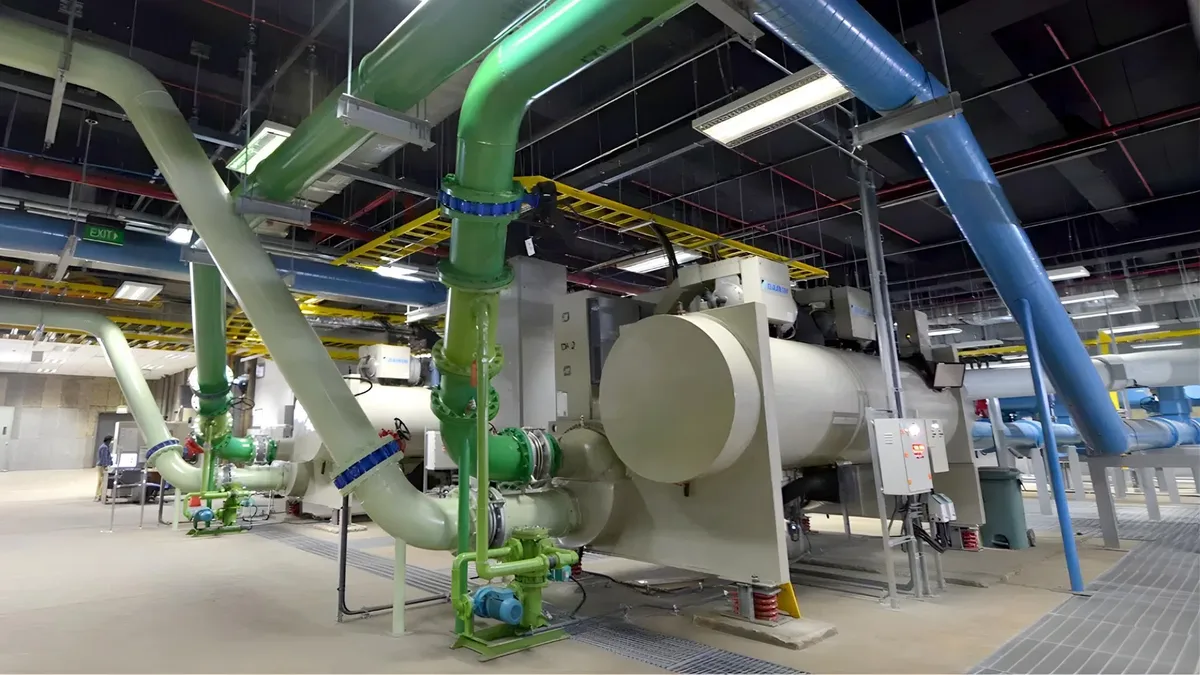
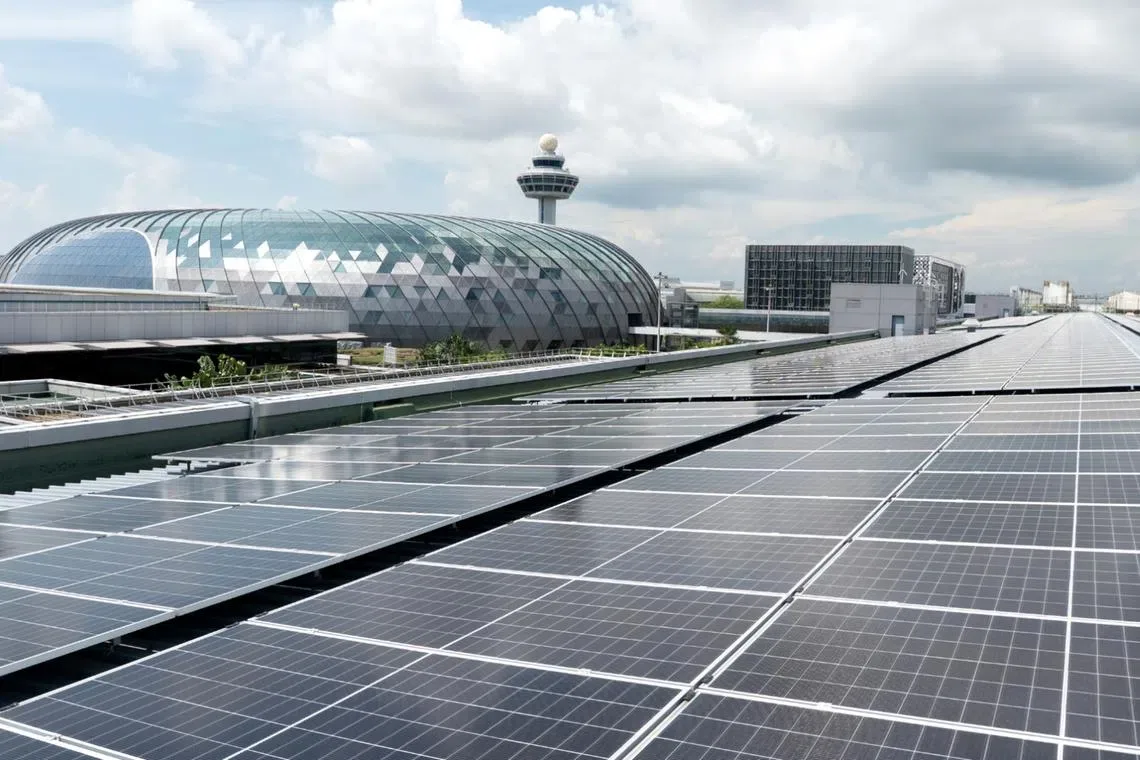
A key contributor to the energy savings is a 40MWp rooftop solar system installed at the airport, which cuts carbon emissions by 20,000 tonnes annually [1, 2, 3]. Additional efficiency gains came from engineering projects including reuse of condensate water, touchless taps, energy-efficient chillers, and smart lighting systems [1, 2, 3].
Reuse of condensate water from air circulation stations alone saves more than 10,000 cubic meters annually, equivalent to four Olympic pools. This water is used to flush toilets in Terminal 4, reducing reclaimed water usage from 500 cubic meters to 18 cubic meters monthly [1, 2, 3].
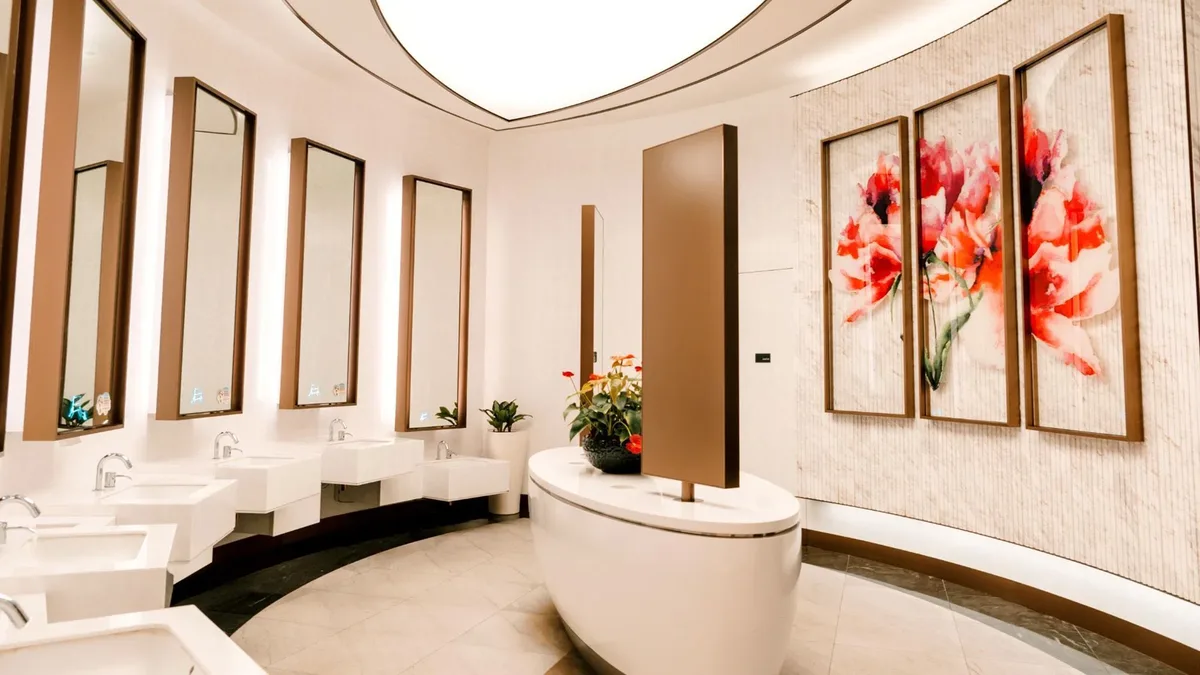
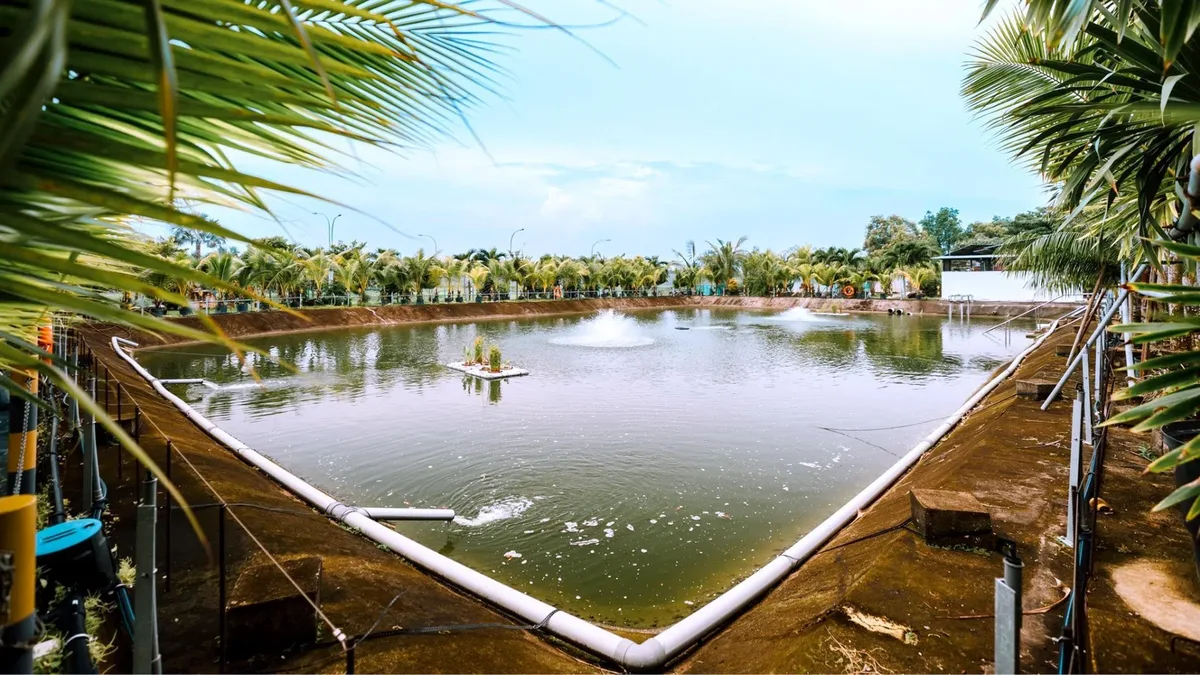
The airport replaced over 170 manual taps with contactless versions, cutting water use in washrooms by 60 percent [1, 2, 3]. An open-surface drainage system captures rainwater from a 2.2-hectare plant nursery, channeling it to collection points with 6,900 cubic meter capacity for irrigation [1, 2, 3].
New chillers installed in Terminals 1 and 2 cut electricity consumption by 25 gigawatt-hours annually [1, 2, 3]. The reported figures exclude water and electricity consumption from Jewel Changi Airport [1, 2, 3].
Changi Airport Group announced these sustainability gains and resource reductions via its online newsletter on June 16 this year [1, 2, 3].