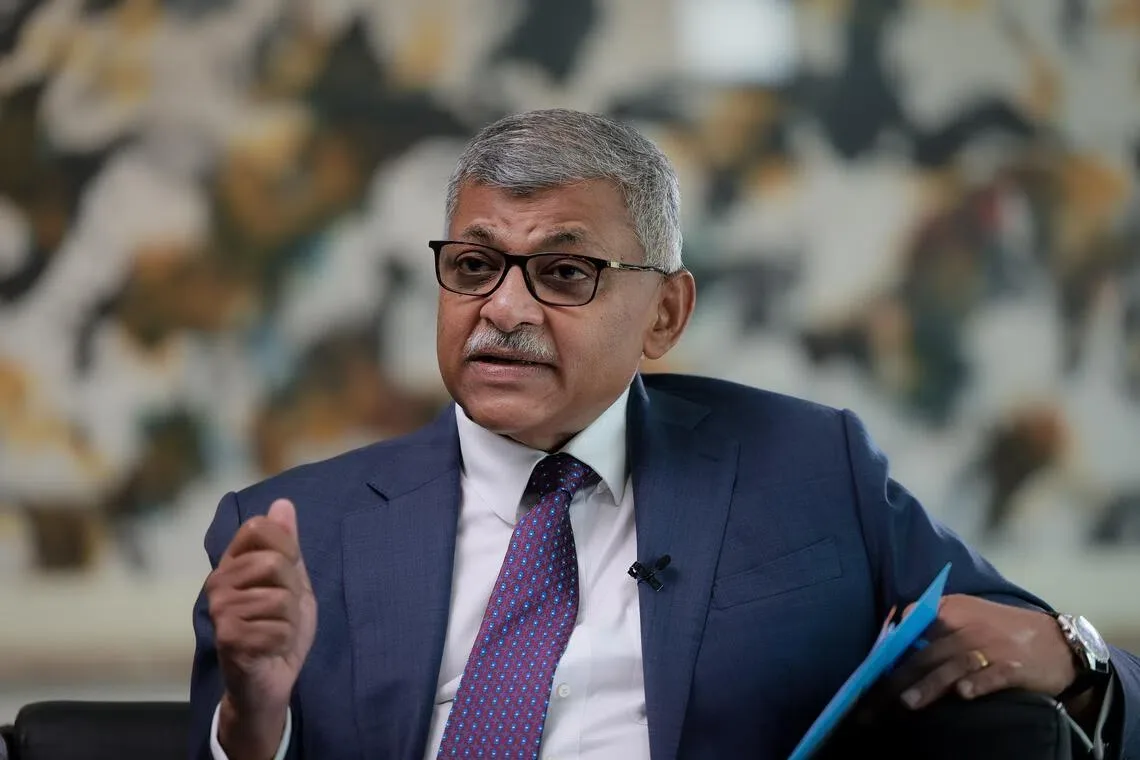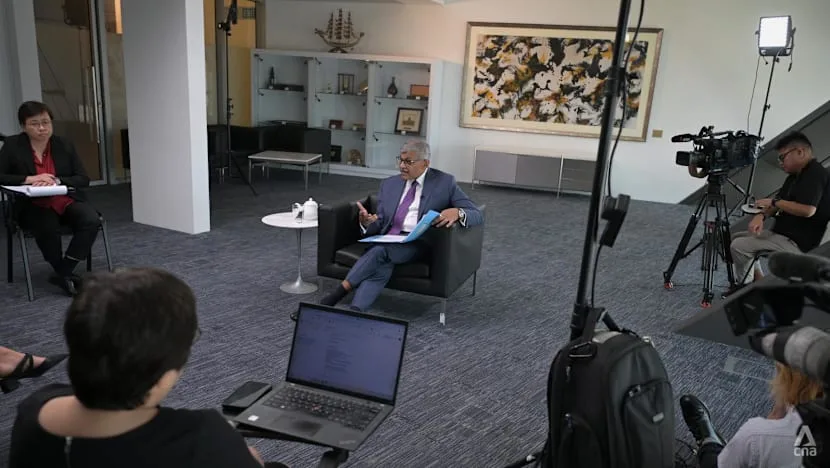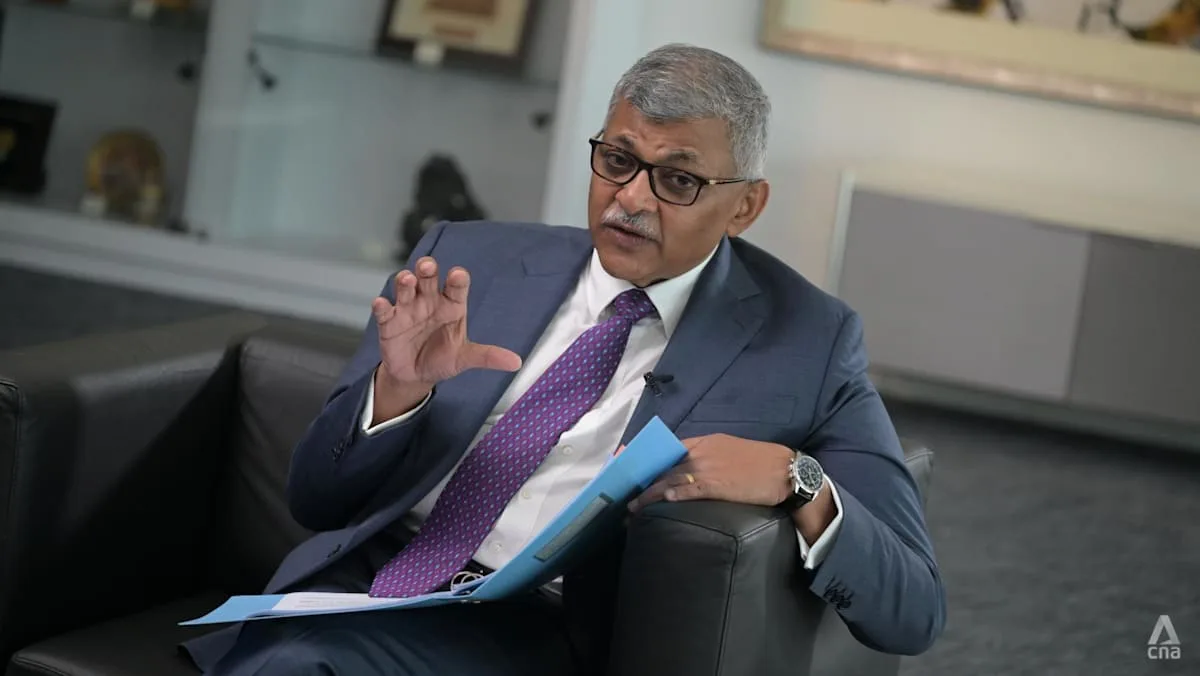
Chief Justice Sundaresh Menon addressed reporters on May 22 during the bicentennial anniversary of Singapore's legal system. He highlighted challenges posed by "truth decay" and echo chambers that blur the line between opinion and fact, affecting how the public perceives court decisions [1, 2, 3, 4, 5].
Menon emphasized the vital role of public trust in courts as objective truth-seeking bodies. He warned that losing this trust could trigger a "breakdown of order in society" [1, 2, 3, 4, 5]. "If citizens lose their faith in courts as objective truth-seeking institutions, it could lead to a 'breakdown of order in society'," he said [3].
He noted many people comment on court rulings on social media without reading full case details or even summaries, often reacting to headlines alone. Menon said, "I don’t do this often, but occasionally when I go and look at the social media feeds, I think there is still a large number of people who comment without even having read the summaries. They might have read a headline, and then, based on the headline, they jump to various conclusions" [1]. However, he cautioned against overreacting as it is not widespread.
Despite these challenges, Menon pointed to surveys showing court users generally feel they have received fair hearings, which supports trust in the judiciary [1, 2, 4, 5]. He also said Singapore is one of few countries where trust in public institutions exceeds trust in corporations—a track record the judiciary must "work really hard to preserve" [1, 2, 4, 5].
To enhance public understanding, Menon described efforts to make court judgments accessible. Some rulings run up to 100 pages, but the judiciary now publishes full judgments online and offers plain-language case summaries [1, 2, 4, 5].
Menon has also spoken recently about artificial intelligence’s impact on courts, though details remain limited [1, 2, 4, 5]. At age 64, he is approaching the mandatory retirement age of 65 for Supreme Court judges in Singapore [3].