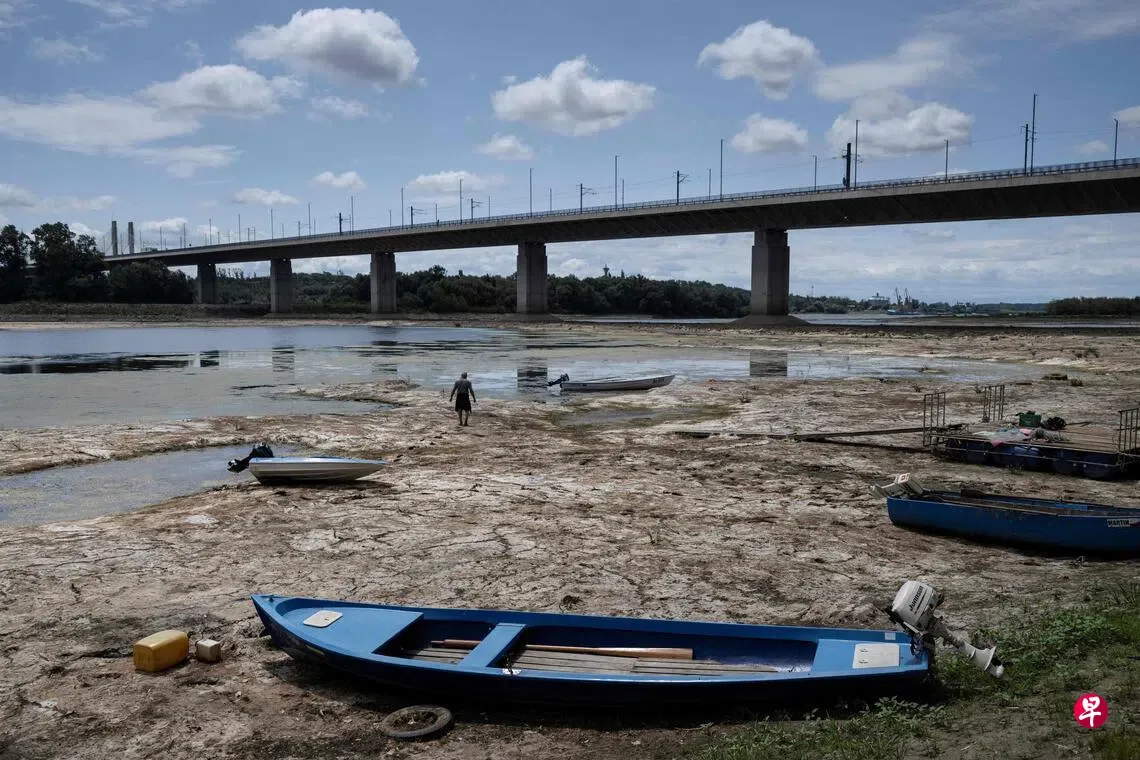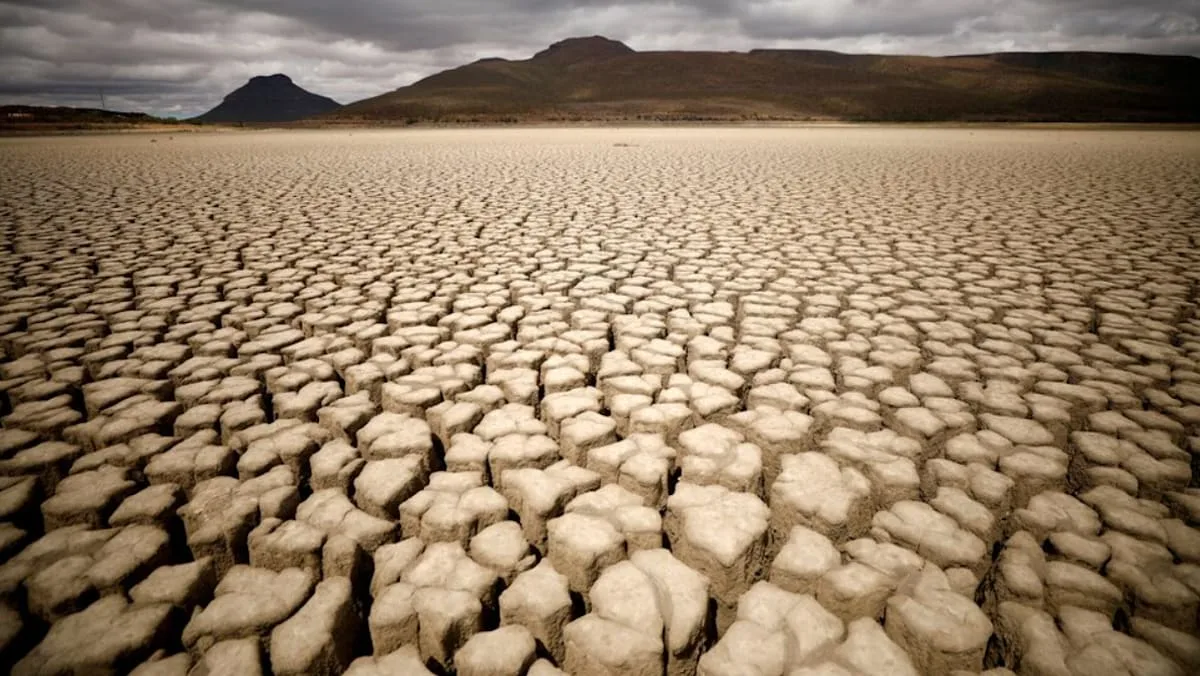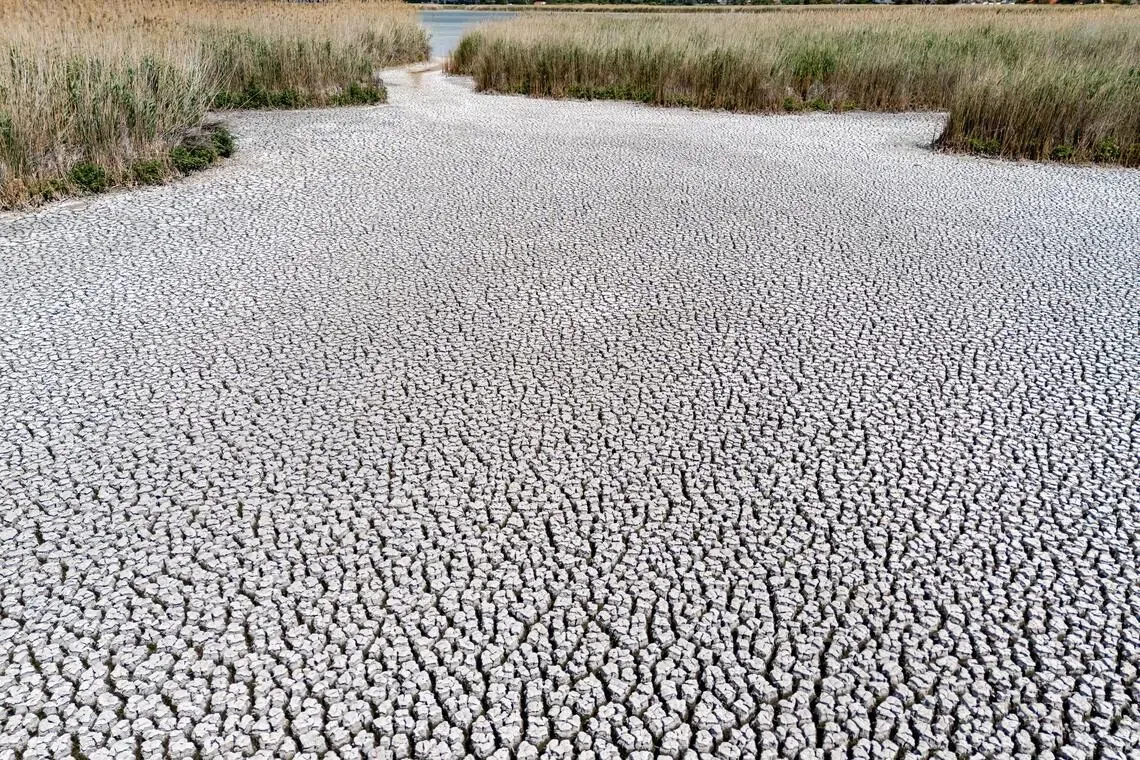
Europe is facing a severe drought in 2026, driven primarily by human-caused climate change that has sharply increased heat-driven evaporation across the continent [1, 2, 3, 4, 5]. A new analysis published on July 23 showed the extreme dryness results mainly from record-breaking heat evaporating moisture from soils, lakes, and rivers, not from a lack of rainfall [1, 2, 3, 4, 5]. "If you have increasingly hot air, it will soak the soils dry. And then it gets even hotter, and the soils get even drier," explained climate scientist Dominik Schumacher [1].
Western Europe recorded its hottest June ever in 2026, with a historic heatwave that caused thousands of excess deaths [1, 4, 5]. That heatwave, coupled with an atmosphere warmed about 1.4°C since 1850-1900 mainly due to fossil fuel burning, has increased evaporative demand by around 80 times from April to June in western Europe, rapidly drying soils and boosting wildfire risks [1, 3, 4, 5]. "That is our own doing: as temperatures climb, the atmosphere's thirst increases quickly, sucking moisture out of rivers, lakes, reservoirs and the soil," Schumacher said [5].
Researchers found extremely dry soils are now about 5 times more likely in western Europe and 11 times more likely in eastern Europe compared to a 1.4°C cooler climate, underlining the strong role of warming in intensifying drought severity [3, 4, 5]. Even regions with relatively wet winters became dry within months due to high heat evaporating soil moisture so rapidly [1, 4, 5]. Mariam Zachariah highlighted that drought risk rises even where rainfall doesn’t fall, or seasonally increases, because the warmer atmosphere drains more moisture from the land [2].
The drought is causing widespread impacts. Rivers have run parched in many areas, prompting water restrictions. Wildfires have devastated large regions. Agriculture faces immense pressure, with France expected to have its worst maize harvest in 50 years and Romania losing over 1 million hectares of maize [1, 4, 5]. Energy production and river transport are also under strain.
Since early 2026, Europe — the world’s fastest-warming continent — has experienced more frequent and intense droughts, floods, and heatwaves linked to climate change [1, 3, 4, 5]. Zachariah noted, "The atmosphere being drier than before means that precipitation which might not have caused drought in pre-industrial climates now results in more severe droughts [4]."
The study's detailed findings were released July 23 by the World Weather Attribution group, showing how heat-driven evaporation intensified this year's drought across Europe [1, 2, 3, 4, 5]. Efforts to monitor soil moisture and river flows will continue as farmers and water managers cope with the ongoing dry conditions.