Climate change is shrinking suitable habitats for vascular plants worldwide, putting many species at high risk of extinction by the end of this century [1, 2, 3, 4]. Researchers modeled future habitat ranges for over 67,000 species, representing about 18% of known vascular plants globally [1, 2, 3, 4]. Their findings show that between 7% and 16% of these species could lose more than 90% of their range by 2081-2100 [1, 2, 3, 4].
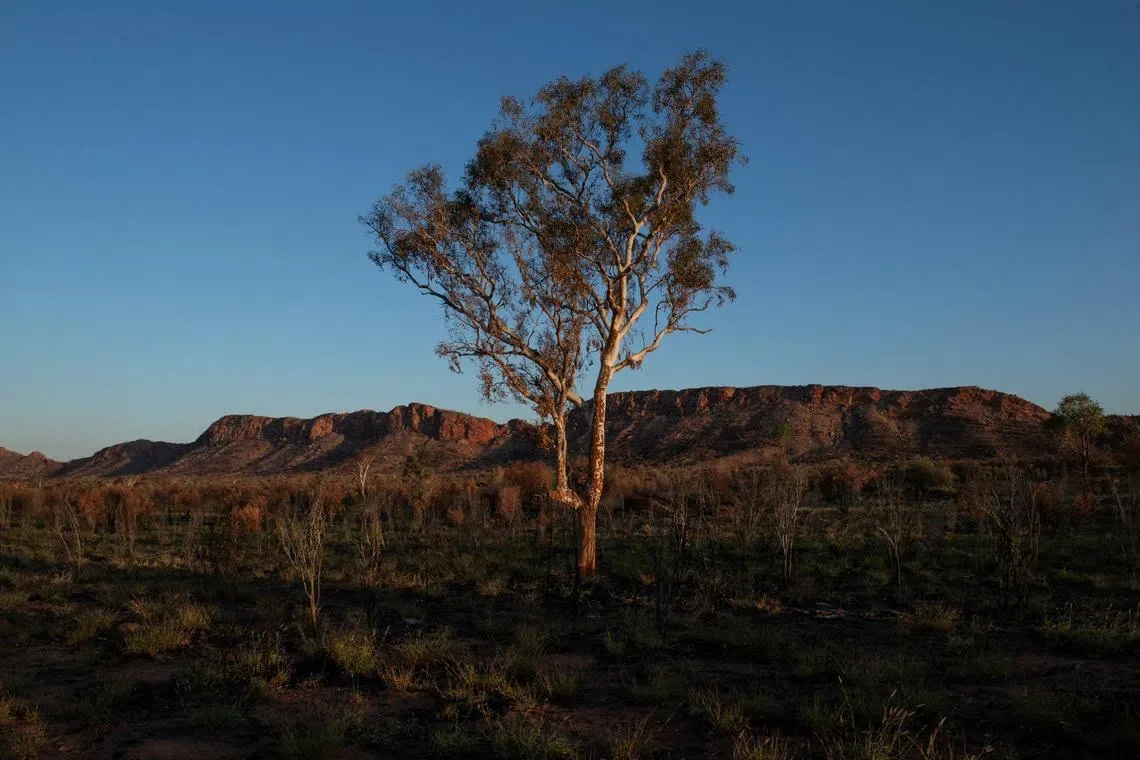
Examples of plants facing severe risks include the Catalina ironwood, a rare tree endemic to California, bluish spike-moss—a lineage more than 400 million years old—and roughly one third of Australia's Eucalyptus species [1, 2, 3, 4]. Junna Wang, a Yale researcher, explained, "One way to picture this is to imagine plants trying to follow a moving ‘climate envelope.’ As temperatures warm, many species can shift northward or uphill to stay cool enough. But temperature is only part of the story." The full habitat requires specific combinations of temperature, rainfall, soil, land use, and shading, all of which climate change is altering [1].
The study found that changing rainfall patterns, soil conditions, and land use interact with temperature increases to reduce the availability of these essential habitat combinations, further threatening species survival [1, 2, 3, 4]. Plants disperse through seeds or spores carried by wind, water, animals, or gravity across generations but allowing them unlimited dispersal to new areas does not greatly reduce extinction risks compared to realistic dispersal assumptions. Xiaoli Dong, UC Davis professor, said, "If slow movement were the main problem, then allowing unlimited dispersal should dramatically reduce extinction risk. But that is not what we found," emphasizing that habitat loss rather than limited dispersal is the critical factor [1, 2].
Geographical impacts vary: Arctic cold-adapted plants face habitat loss as temperatures rise, while western US and Mediterranean regions suffer increased drought and wildfire risks that affect plant survival [4]. The loss of plant biodiversity threatens ecosystems by reducing carbon storage and soil stability, potentially intensifying climate warming in a feedback loop [4].
The study supporting these conclusions was published in Science [1, 2, 3, 4]. The critical period for the most severe habitat losses is projected to be 2081-2100, when up to 16% of vascular plant species could lose over 90% of their habitats [1, 2, 3, 4].