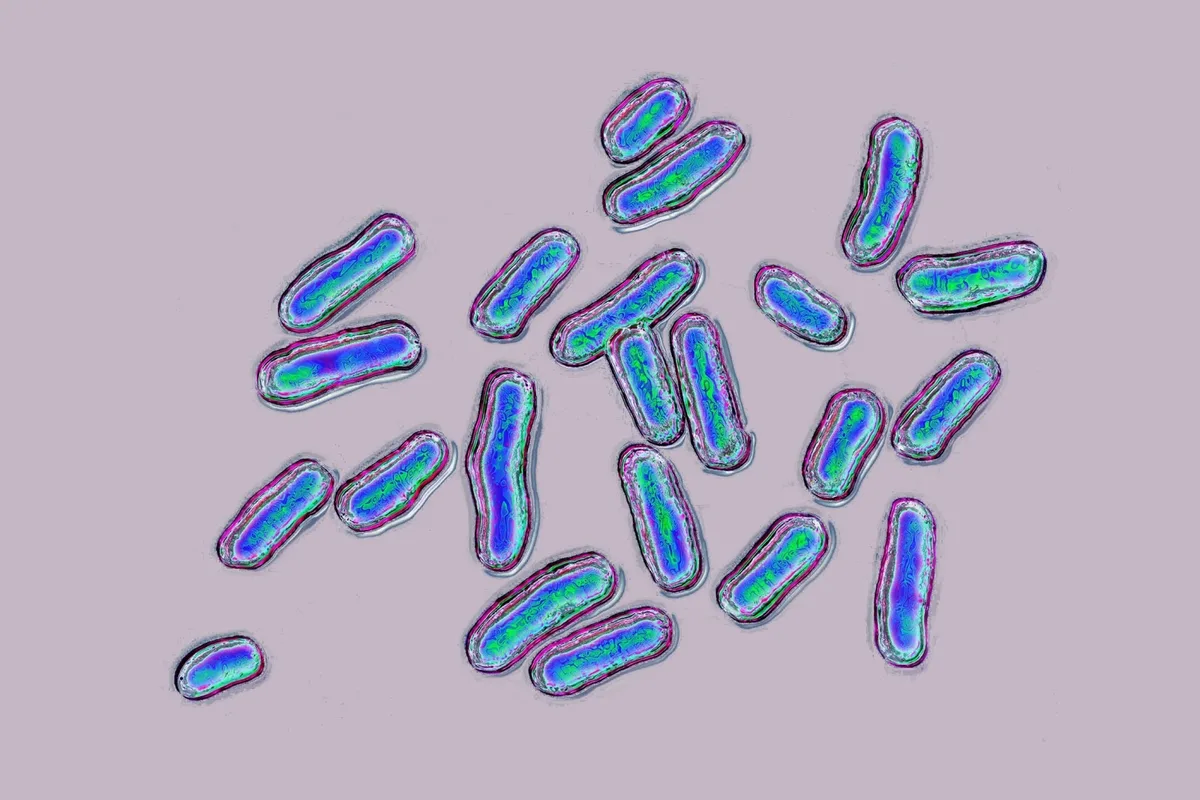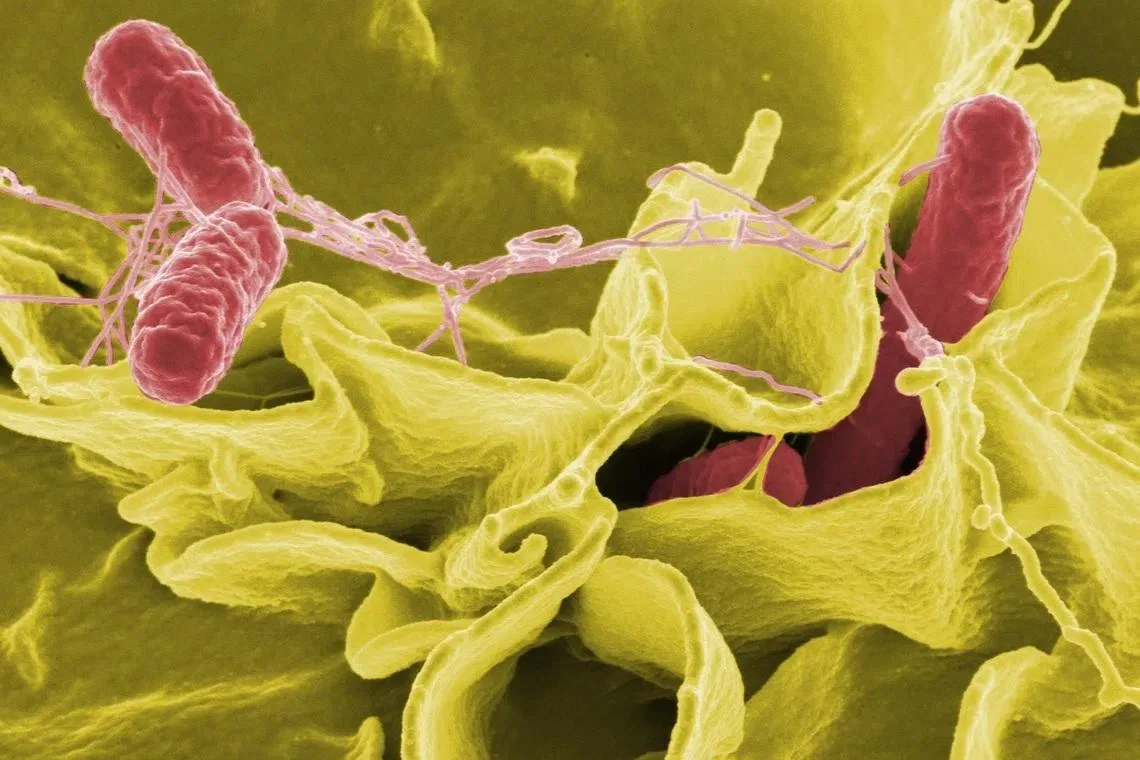
Climate change is contributing to a significant increase in antibiotic-resistance genes (ARGs) in Salmonella bacteria, researchers reported in May 2026. They found a 10% global rise in ARGs directly linked to climate factors, based on analysis of more than 480,000 Salmonella genomes collected from 139 countries over the period 1940 to 2023 [1, 2].
The study showed that temperature and precipitation changes are strongly associated with elevated antimicrobial resistance worldwide. As global temperatures rise, bacterial growth and gene exchange accelerate. Meanwhile, flooding spreads ARGs through water, and droughts concentrate resistant bacteria and residues, helping resistance genes persist and spread [1, 2].
Overall, ARG abundance in Salmonella increased by 38% during the study period, with 82% of countries experiencing rising levels. The most pronounced climate-linked surges were observed in the Middle East, North Africa, South Asia, and Sub-Saharan Africa [1, 2].
Salmonella causes tens of millions of diarrheal infections annually, making antibiotic resistance in this pathogen a major public health concern. While misuse and overuse of antibiotics remain primary drivers of resistance, the findings underline that climate conditions shape resistance evolution and dissemination as well [1, 2].
The authors called for urgent climate mitigation alongside improved antimicrobial stewardship to fight resistance. They said, "These findings highlight the importance of mitigating climate change as a strategic intervention to curb the spread of ARGs and ultimately to combat the global challenge of antibiotic resistance" [1]. They added that addressing climate change and stewardship is "essential to safeguard public health and ensure the effectiveness of antimicrobial therapies in the future" [2].
Researchers projected that if countries meet low-emission climate targets and enhance antibiotic use practices, ARG levels in Salmonella could be 24% lower than under a high-emission scenario by 2100 [1, 2].