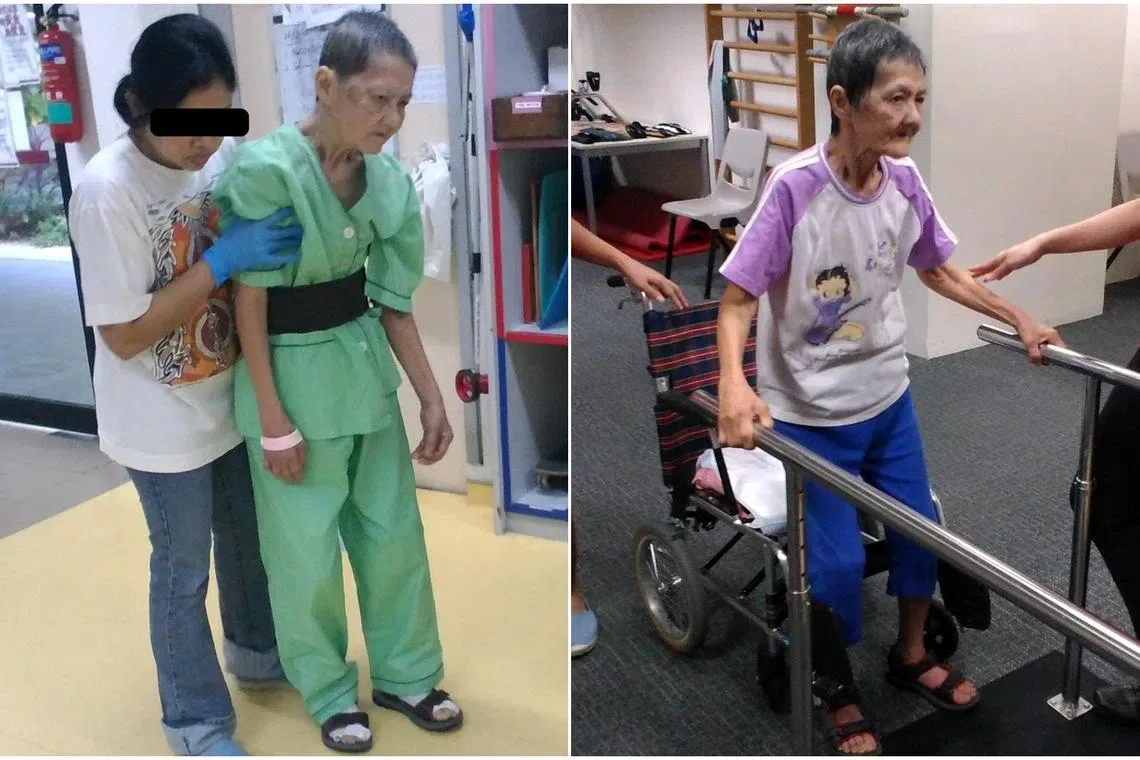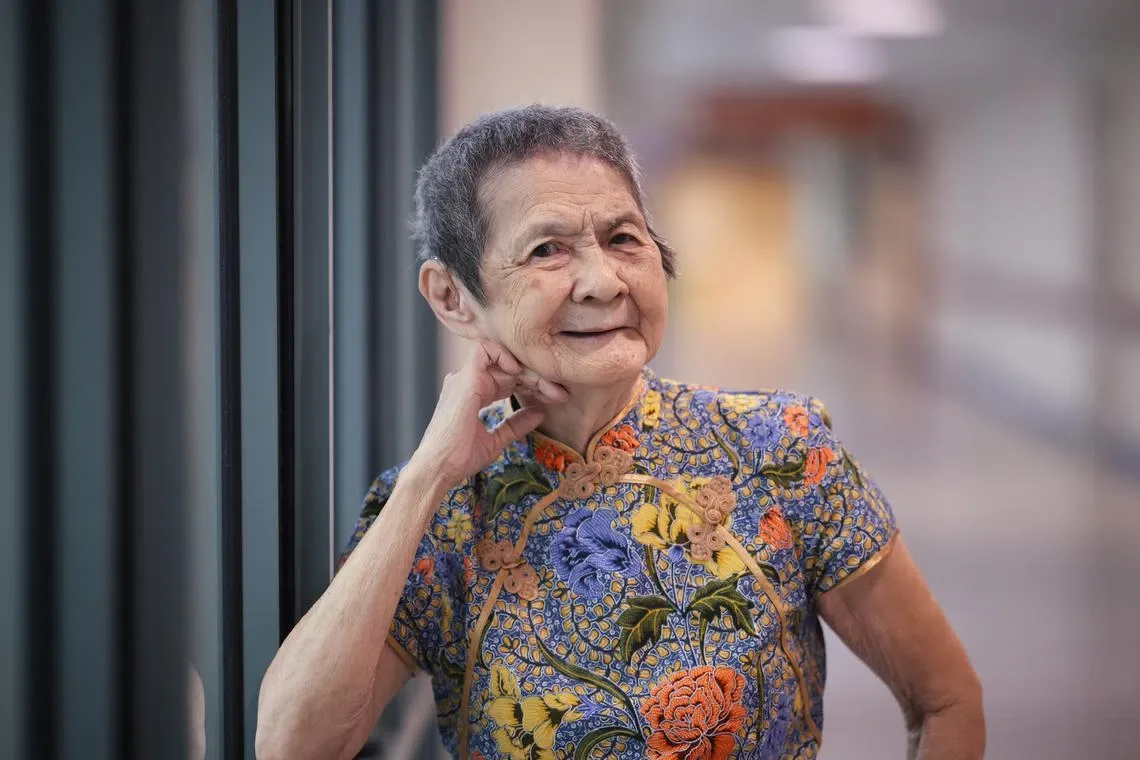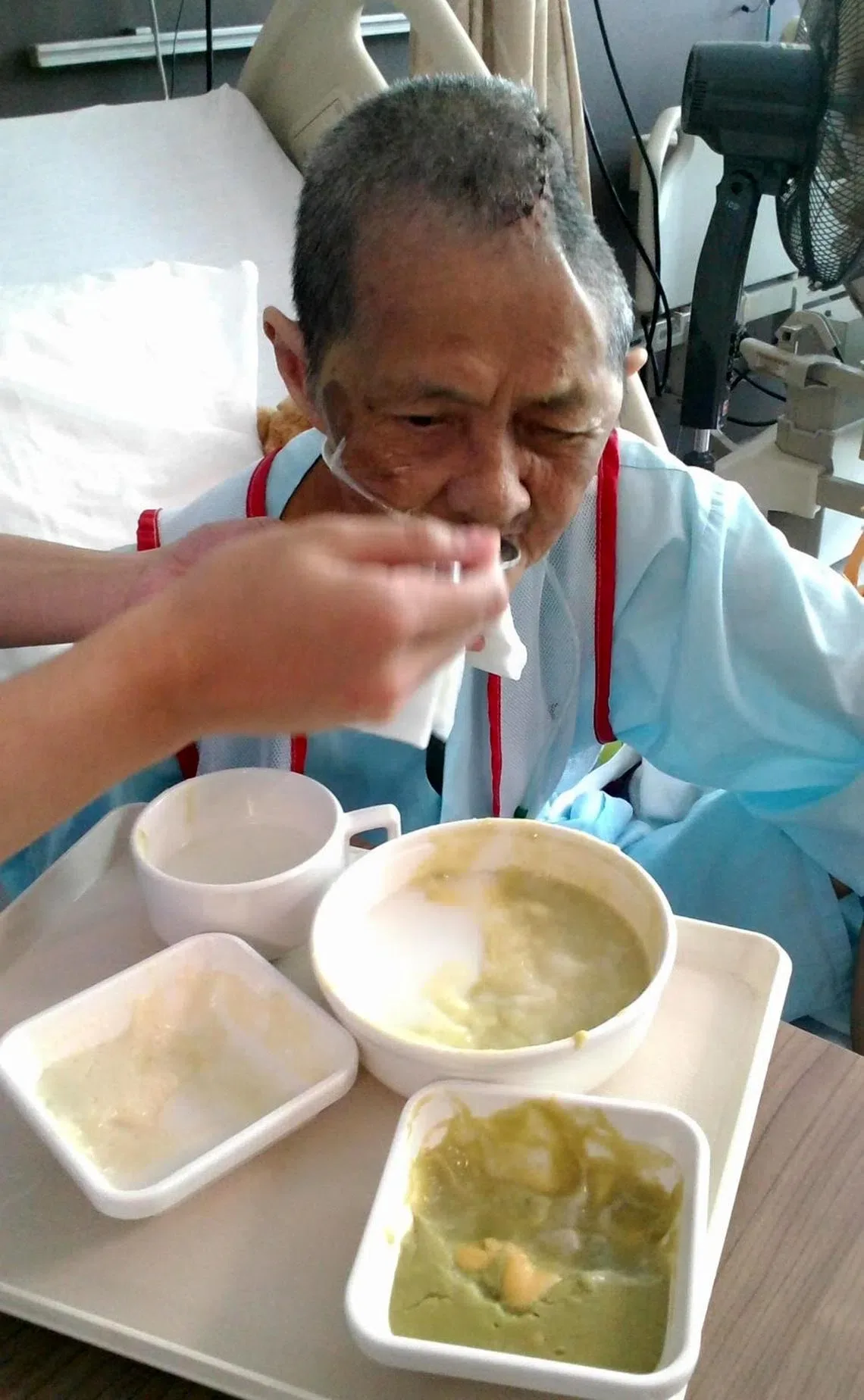
In July 2014, 66-year-old Lim Giok was hit by a lorry at a traffic junction along Upper Thomson Road, sustaining a severe brain injury that required emergency treatment [1, 2, 3]. Doctors performed four brain operations on Lim, one of which involved removing a 12.5cm diameter section of her skull to relieve swelling and reduce intracranial pressure [1, 2, 3].
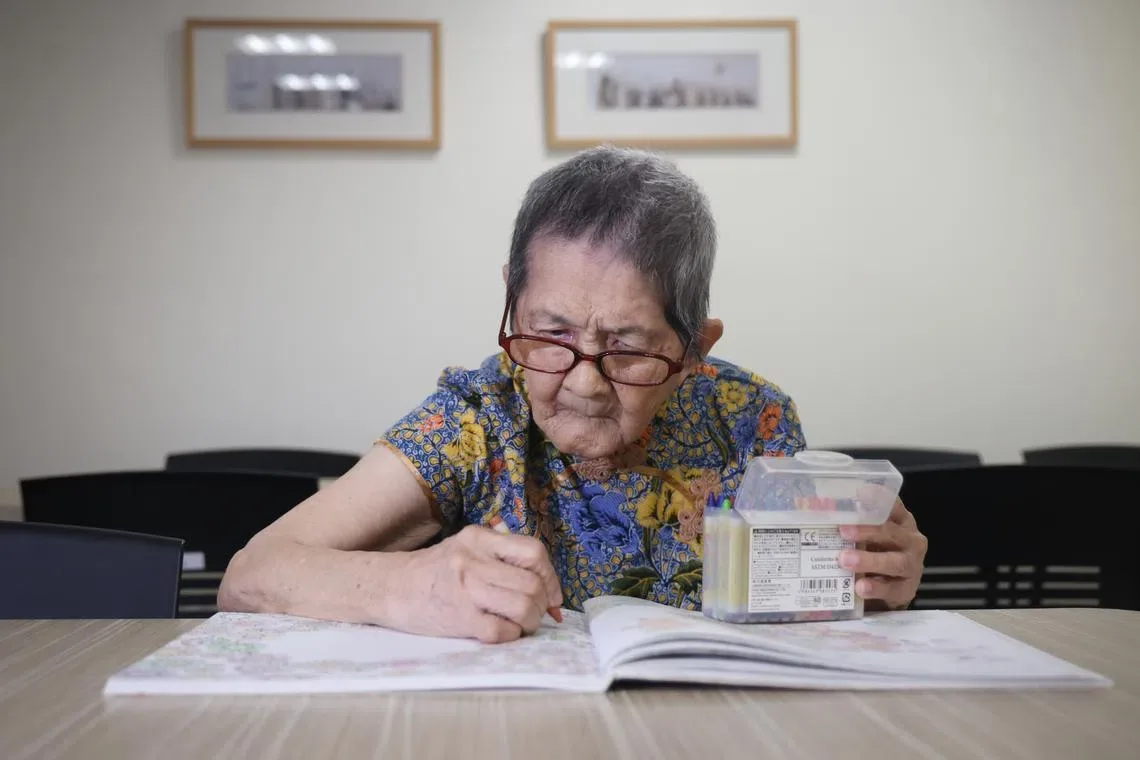
Following the surgeries, Lim lost mobility on the right side of her body due to atmospheric pressure on the exposed brain area, a condition comparable to stroke impairment [1, 2, 3]. Despite making a full physical recovery, she continues to suffer from memory loss and cognitive impairment as a result of the accident [1, 2, 3].
Koh, a relative representing Lim’s family, described the experience as "very traumatic for our family," particularly during the first year when her recovery was uncertain. Koh added, "She couldn’t sit or stand, needed full assistance for all," highlighting the need to hire a care helper to support Lim after the incident [1].
Singapore’s traffic safety record has worsened in recent years. In 2025, the nation recorded 149 traffic deaths—the highest in a decade—up from 142 in 2024 and 141 in 2016 [1, 2, 3]. The number of people injured in traffic accidents rose from 9,342 in 2024 to 9,955 in 2025 [1, 2, 3]. Elderly pedestrian accidents increased notably from 203 in 2024 to 247 in 2025, with elderly pedestrian deaths reaching 27 out of a total 36 pedestrian fatalities that year [1, 2, 3].
Doctors caution that pedestrians, especially the elderly, are highly vulnerable to severe and irreversible brain injuries in traffic accidents. They emphasize that prevention is crucial since medical interventions can only limit damage once injuries occur [1, 2, 3].
Lim’s case remains a stark example of the long-term consequences of traffic accidents involving pedestrians. Authorities continue to monitor injury and fatality rates closely as they work on traffic safety measures.