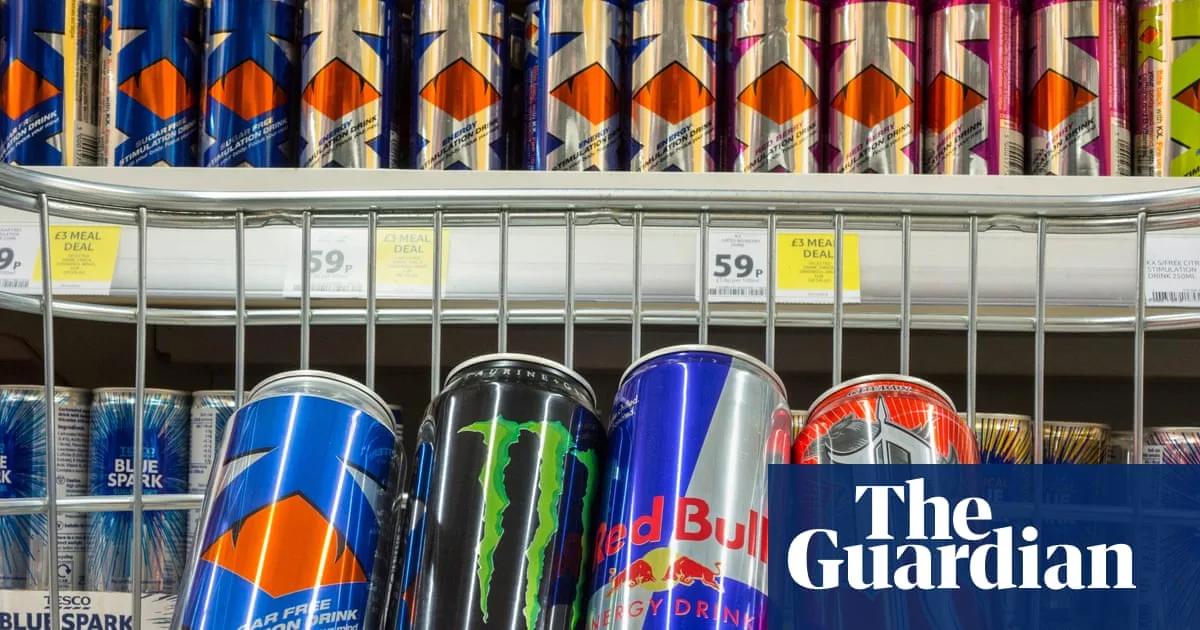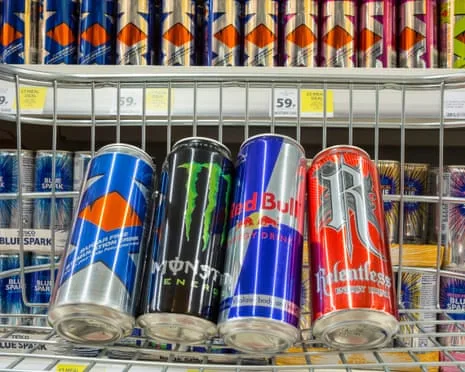
The British government announced plans on July 16 to ban the sale of high-caffeine energy drinks to anyone under 16 in England starting April 2027, subject to parliamentary approval [1, 2, 3]. The ban will apply to drinks containing more than 150 milligrams of caffeine per litre and cover all sales venues including shops, vending machines, online platforms, restaurants, and cafes [1, 2, 3].
Approximately 100,000 children under 16 in England currently consume high-caffeine energy drinks daily, a number health officials aim to reduce with the ban [1, 2, 3]. These drinks, supplied by brands like Red Bull, Monster, Relentless, and Prime, are linked by the government to sleep disruption, anxiety, poor concentration, and mental and physical health harms in children [1, 2, 3]. Experts warn that children are more sensitive to caffeine due to their smaller size and developing brains, putting them at risk of heart palpitations, arrhythmia, epilepsy, obesity, and dental damage [3].
UK Public Health Minister Sharon Hodgson said, "High-caffeine energy drinks have no place in children’s hands. We know thousands of kids in England consume them daily, but the evidence is clear that this can cause anxiety, affect their sleep and concentration and can have a detrimental impact on their education. This ban will reduce children’s opportunity to buy drinks that are harmful to their health and wellbeing, and demonstrates our firm commitment to creating the healthiest generation of children ever" [2].
The Obesity Health Alliance supports the ban, highlighting that it is "a vital step towards protecting children’s health," especially in deprived communities, where the harms are often greater [2, 3]. Executive Director Katharine Jenner said, "Strong evidence links high-caffeine energy drinks to anxiety, poor sleep, reduced concentration and harm to learning and wellbeing – restricting sales to children at a vital time in their life is just common sense" [2].
Retailers will be responsible for enforcing the ban and could face fines up to £2,500 for selling banned drinks to under-16s [2, 3]. The ban excludes tea and coffee, which remain unrestricted [2].
The Soft Drinks Industry Association opposes the ban, arguing it is unnecessary because the industry voluntarily stopped marketing high-caffeine drinks to under-16s since 2010 and products already carry legal warnings advising children not to consume them [3]. Their position contrasts with health officials who emphasize the documented harms to children.
This ban is part of a wider government effort to improve child and youth health, including upcoming social media restrictions targeting under-16s and 16-17 year olds [1, 2].
The proposed prohibition on sales to under-16s is scheduled to begin on April 1, 2027, pending parliamentary approval [1, 2, 3].